
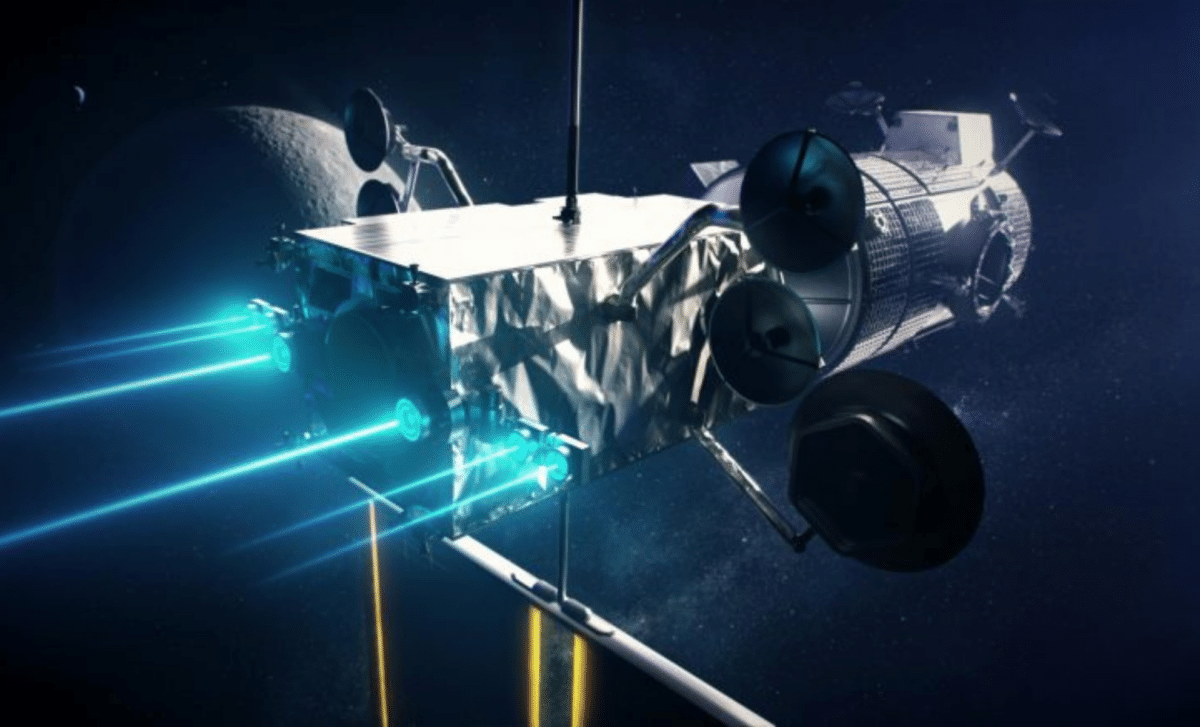
NASA has made a significant leap forward with the successful activation of the solar electric propulsion system aboard the Gateway, its forthcoming lunar orbiting habitat. This advanced engine is designed to enable efficient maneuvering around the Moon, playing a pivotal role in NASA’s Artemis program that targets sustainable human exploration on the lunar surface and lays the groundwork for future crewed journeys to Mars.
Power and Propulsion Element: The Gateway’s Core
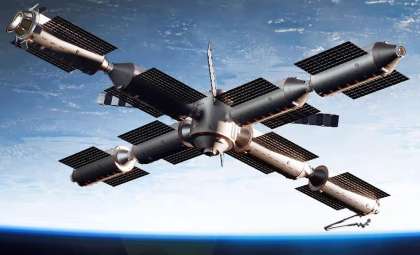
The centerpiece of Gateway is the Power and Propulsion Element (PPE), developed by NASA’s Glenn Research Center in Cleveland, Ohio, and constructed by Lanteris Space Systems in Palo Alto, California. Teams there have assembled and integrated the spacecraft’s critical electrical components beneath protective panels, designed to endure the extreme conditions of space.
When at full capacity, the PPE will generate up to 60 kilowatts of power, supporting communication systems, navigation instruments, and orbit adjustments. The cutting-edge solar electric propulsion technology provides continuous, efficient thrust fueled by solar energy—an innovative alternative to traditional rocket propellants.

The propulsion array includes three 12-kilowatt thrusters from L3Harris complemented by four 6-kilowatt BHT-6000 thrusters developed by Busek. These combined modules enable precise orbital corrections, maintaining Gateway’s position and facilitating its maneuverability for upcoming lunar missions. Additionally, Redwire supplies the roll-out solar arrays, which are lightweight and flexible panels that convert sunlight into electrical energy.
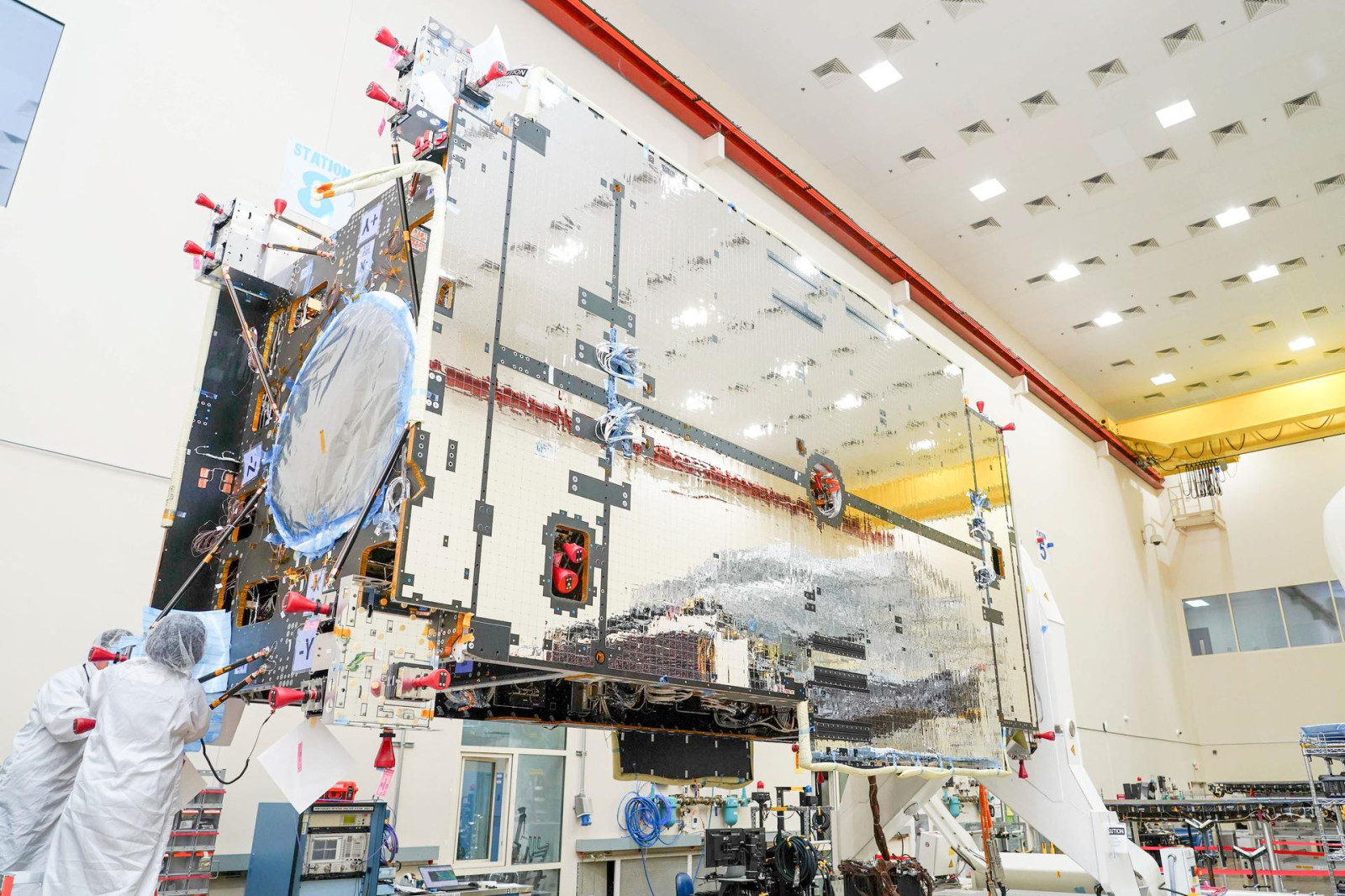
This robust power system will energize the core Gateway modules, visiting spacecraft, and future scientific payloads, becoming the energetic foundation for NASA’s efforts to operate sustainably on the Moon.
The Gateway’s Strategic Place in Artemis
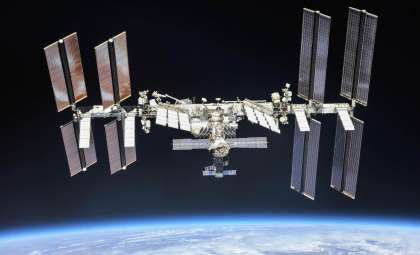
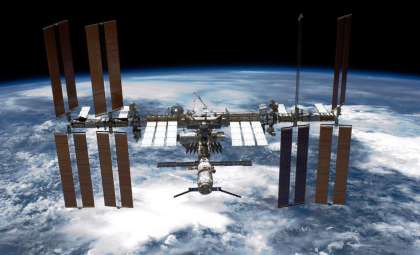
The Gateway serves as a critical asset within NASA’s Artemis program, which aims to return humans to the Moon after decades. Unlike the continuously crewed International Space Station, Gateway is designed as an uncrewed modular platform in a highly stable lunar orbit called the near-rectilinear halo orbit (NRHO).
This unique trajectory offers optimal access both to the lunar surface and deeper space, making Gateway a vital testbed for life-support, radiation shielding, and propulsion technologies. Astronauts visiting the station will conduct experiments, readying lunar landers and evaluating long-term space travel conditions important for eventual missions to Mars.
NASA is collaborating internationally on the Gateway project, partnering with key space agencies such as the ESA (European Space Agency), JAXA (Japan Aerospace Exploration Agency), and the CSA (Canadian Space Agency). These organizations contribute specialized modules, robotic systems, and technologies to create a globally supported lunar platform.
Advancing Sustainable Space Exploration Technologies
NASA’s choice to deploy solar electric propulsion on Gateway represents a leap in both technology and environmental care. Unlike conventional propulsion systems that consume vast fuel quantities in brief bursts, solar electric propulsion delivers steady, efficient thrust powered by solar-generated electricity. This allows gradual acceleration to high speeds with minimal resource use—a vital attribute for extended missions beyond Earth.
Furthermore, Gateway is designed to support autonomous operations, frequently operating without humans onboard. This feature is essential for managing spacecraft at great distances where communication delays prevent real-time control. The station’s architecture emphasizes resilience, efficiency, and adaptability, enabling it to function independently in lunar orbit for extended periods.
By working together with industry leaders such as Lanteris, L3Harris, Busek, and Redwire, NASA is fostering innovation that bridges the public and private sectors. These collaborations are critical for pioneering the infrastructure humanity needs to establish a lasting presence on the Moon and beyond.
- Categories:
- Space




0 comments
Sign in to Comment