
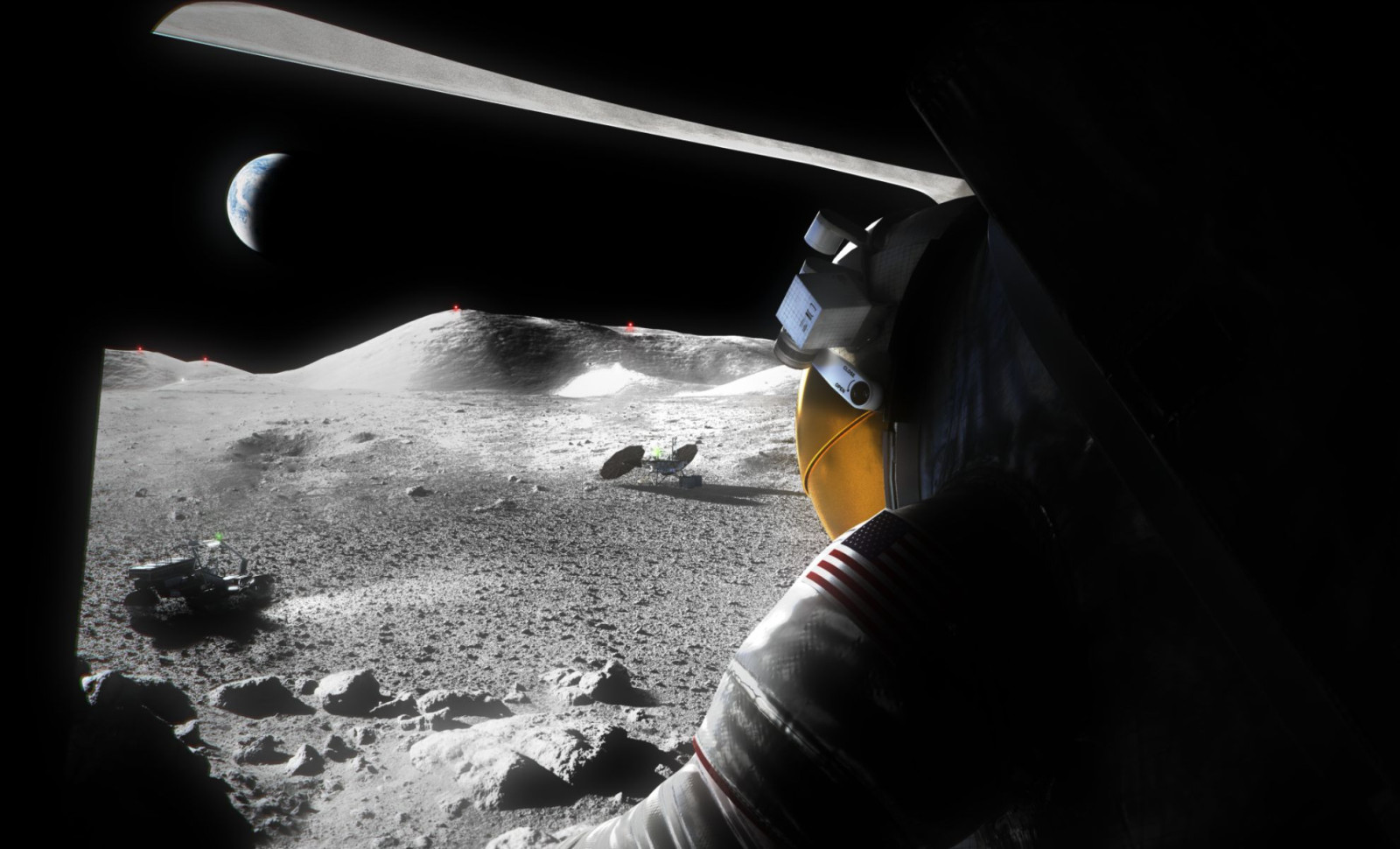
NASA is intensifying efforts to send American astronauts back to the Moon by 2028, spotlighting the Artemis II mission as a pivotal milestone. This renewed focus aligns with increased backing from the National Space Policy and enhanced funding secured through recent legislative actions.
Although this schedule differs from previous plans, NASA officials emphasize that it reflects heightened determination and capabilities. With growing public interest in space exploration, the agency is leveraging recent achievements to demonstrate its preparedness for a new era of human spaceflight.
Artemis II: A Critical Milestone in Lunar Exploration
The agency is dedicating considerable attention to Artemis II, the upcoming manned mission designed to orbit the Moon. Marking the first crewed lunar orbit in over five decades, it aims to prove NASA's renewed capability to send astronauts beyond Earth’s immediate vicinity.

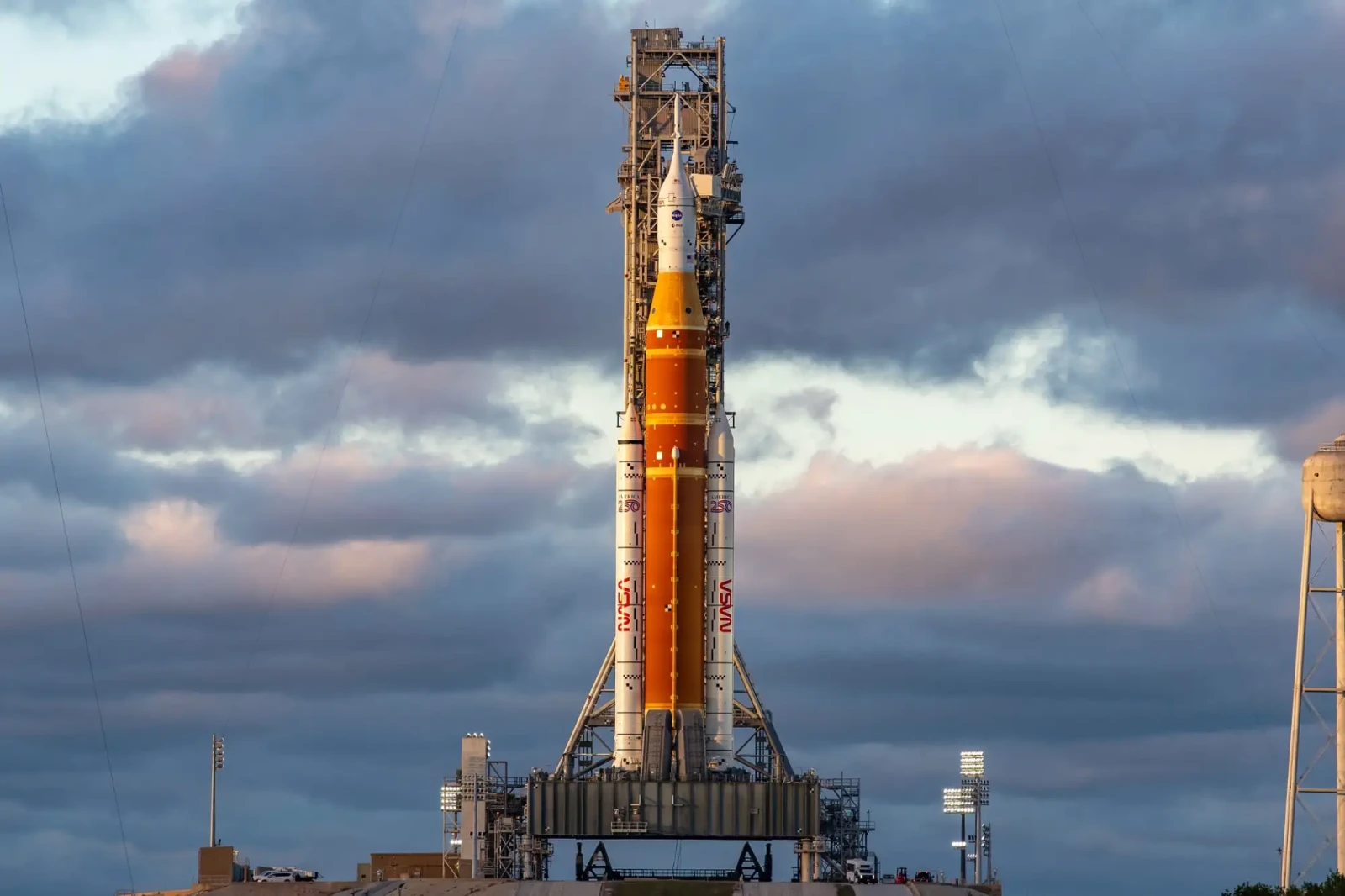
In a public briefing, NASA emphasized that Artemis II goes beyond symbolism to serve as a crucial test mission to pave the way for a consistent human presence on the Moon. Earth.com reports that this advancement builds upon initiatives from a previous administration, such as launching the Artemis program and establishing the Artemis Accords, which now include 60 international partners.
Increasing Mission Pace and Technological Innovation
According to the most recent NASA report, this past year featured an active schedule with two human spaceflights, 15 scientific missions, and a test flight of an advanced experimental X-plane. NASA attributes this momentum to “streamlined processes” fostered by “clarity, purpose, and momentum.” As Jared Isaacman, NASA Administrator, remarked:
“From strengthening our focus on human spaceflight and preparing for the first deep space exploration by NASA astronauts in more than half a century, to accelerating innovation across science, technology, and national capability, the President has provided the clearest executive direction for NASA since the Kennedy era.”
This surge spans several domains such as Earth observation, defense against planetary threats, and aeronautics, which traditionally have followed distinct schedules. By integrating these areas under a shared agenda, NASA aims to illustrate its capability to outperform expectations for a major government agency.
Long-Term Vision Backed by Immediate Steps
NASA’s outlook is ambitious yet grounded, targeting a crew return to the Moon by 2028 and subsequent establishment of sustained infrastructure, including plans for a permanent lunar base. The agency is also preparing to launch the Nancy Grace Roman Space Telescope by late 2026, with contingency options acknowledged.
Additionally, efforts to advance nuclear propulsion technologies remain a priority, seen as critical for enabling missions deeper into space. Although the technology’s readiness is still under assessment, NASA views this focus as a strategic long-term investment.
As highlighted by Earth.com, NASA’s latest updates showcase plans for consistent mission launches, meaningful advancements, and technology development aimed at enduring presence in space exploration.
- Categories:
- Space









0 comments
Sign in to Comment