
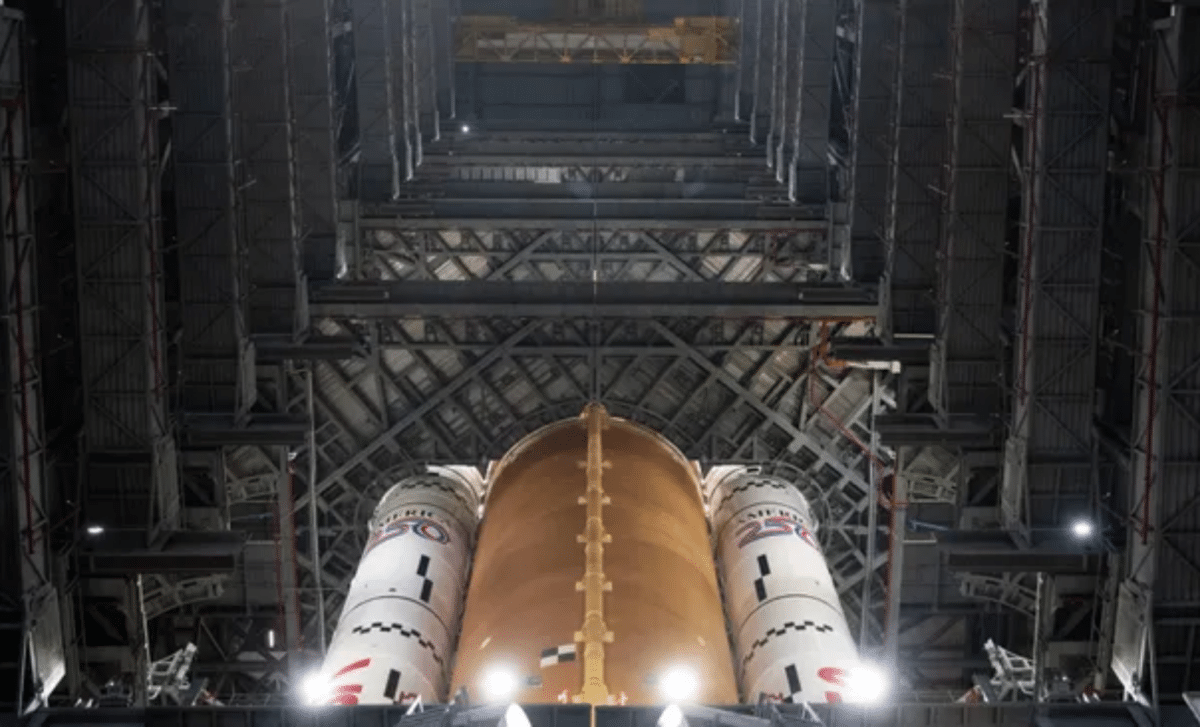
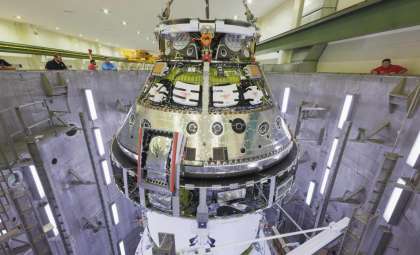
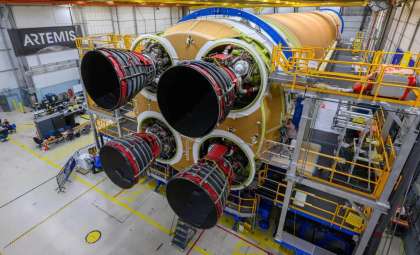
NASA is gearing up for the Artemis 2 mission, poised to return humans to lunar orbit for the first time in more than half a century. As the Space Launch System (SLS) rocket and Orion capsule undergo final preparations, the agency is focused on mission safety and success. This inaugural crewed Artemis flight is a pivotal step toward reestablishing human presence on the Moon. NASA is rigorously testing all systems to ensure everything is ready for liftoff in early 2026.
Last Stages Before the Artemis 2 Launch
The countdown to sending four astronauts around the Moon aboard Artemis 2 is entering its critical phase. NASA’s commitment to precision and crew protection is clear as the Space Launch System (SLS) and Orion spacecraft prepare for their scheduled rollout on January 17, 2026. Over the course of a 10-day mission, Artemis 2 will mark the first crewed journey beyond Earth orbit since Apollo 17’s historic mission in 1972.
“We are moving closer to Artemis II, with rollout just around the corner,” said Lori Glaze, acting associate administrator for NASA’s Exploration Systems Development Mission Directorate. “We have important steps remaining on our path to launch and crew safety will remain our top priority at every turn, as we near humanity’s return to the Moon.”
Add Cosmo Herald as a Preferred Source

Transporting the rocket to the launchpad is a major upcoming milestone. Following this, engineers will conduct thorough prelaunch evaluations, including the pivotal “wet dress rehearsal.” This involves loading the rocket with more than 700,000 gallons of cryogenic fuel to mimic the countdown sequence and identify potential issues.
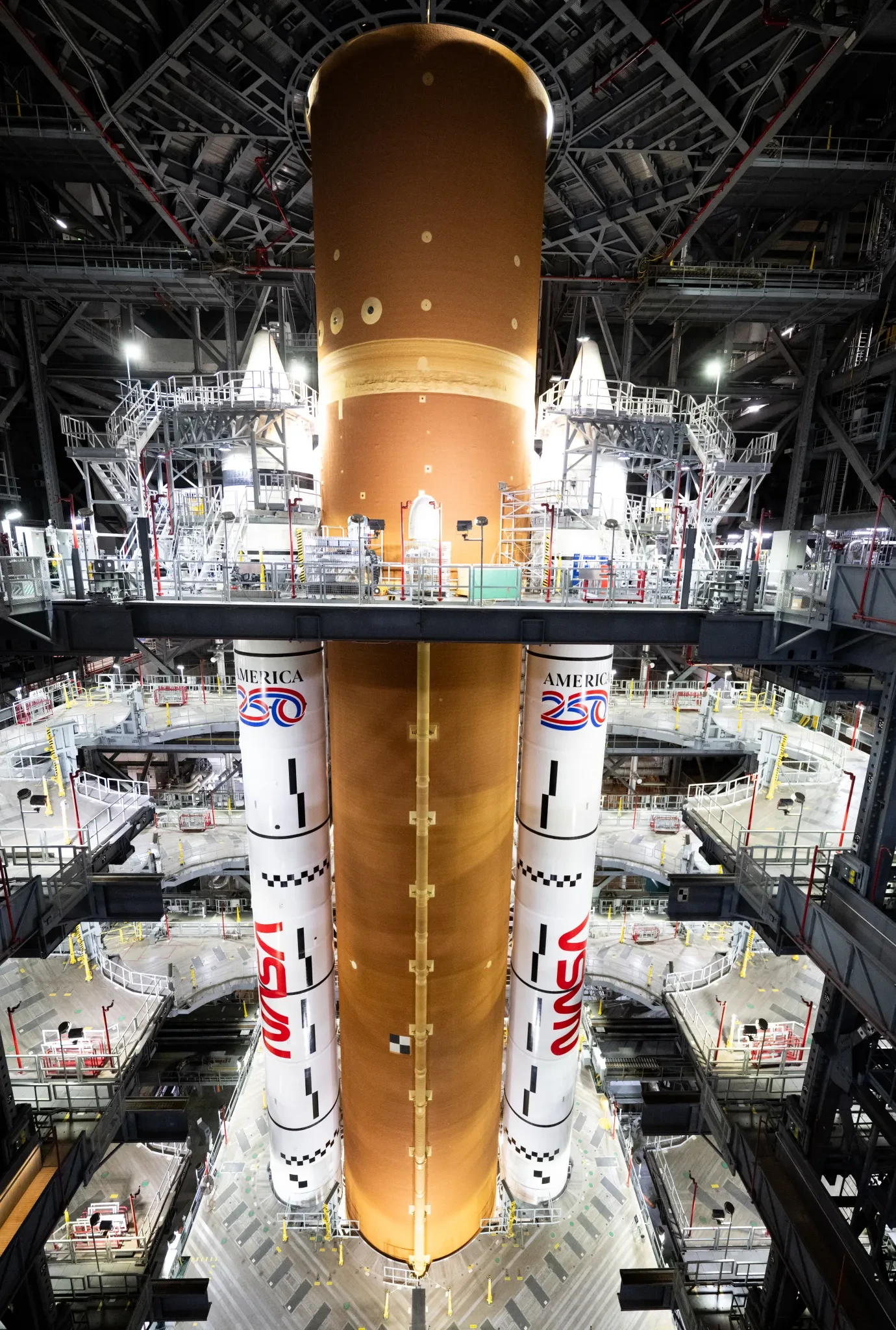
This critical test helps verify the reliability of rocket systems pre-launch. Previous wet dress rehearsals, such as during Artemis 1, have uncovered glitches like propellant leaks, allowing timely corrections.
Artemis 2’s Integral Role in Returning Humans to the Moon
Artemis 2 is a vital link in NASA’s strategy to reestablish a lasting human presence on the Moon. While Artemis 1, the uncrewed mission, successfully orbited the Moon in 2022, Artemis 2 will carry astronauts to test life-support systems and spacecraft functionality during extended spaceflight. This mission sets the stage for Artemis 3, which aims to put the first woman and the next man on the lunar south pole.
The crew for Artemis 2 is a diverse group of seasoned explorers: NASA’s Reid Wiseman, Victor Glover, Christina Koch, alongside Canadian astronaut Jeremy Hansen. Their flight path will loop around the Moon before returning to Earth, yielding critical insights for subsequent surface missions. Though Artemis 2 will not land, it will validate systems essential for future lunar expeditions.
Essential Testing Procedures: Wet Dress Rehearsal and More
The “wet dress rehearsal” is among the most crucial preflight activities for Artemis 2, scheduled soon after rollout. This operation simulates a full fueling countdown, including cryogenic propellant loading and countdown drills, ensuring all components function flawlessly and preparing teams to handle emergencies like fuel removal safely.
Though Artemis 2 aims to launch between February 6 and April 10, NASA maintains flexibility, understanding that weather or technical challenges could adjust the timeline. The launch period is segmented into three windows: January 31 to February 14, February 28 to March 1, and March 27 to April 10.
NASA’s teams continue working relentlessly to ensure the rocket and spacecraft are launch-ready. Lessons learned from Artemis 1’s setbacks are instrumental in refining preparations, aiming for a smooth and safe Artemis 2 mission.
- Categories:
- Nasa





0 comments
Sign in to Comment