
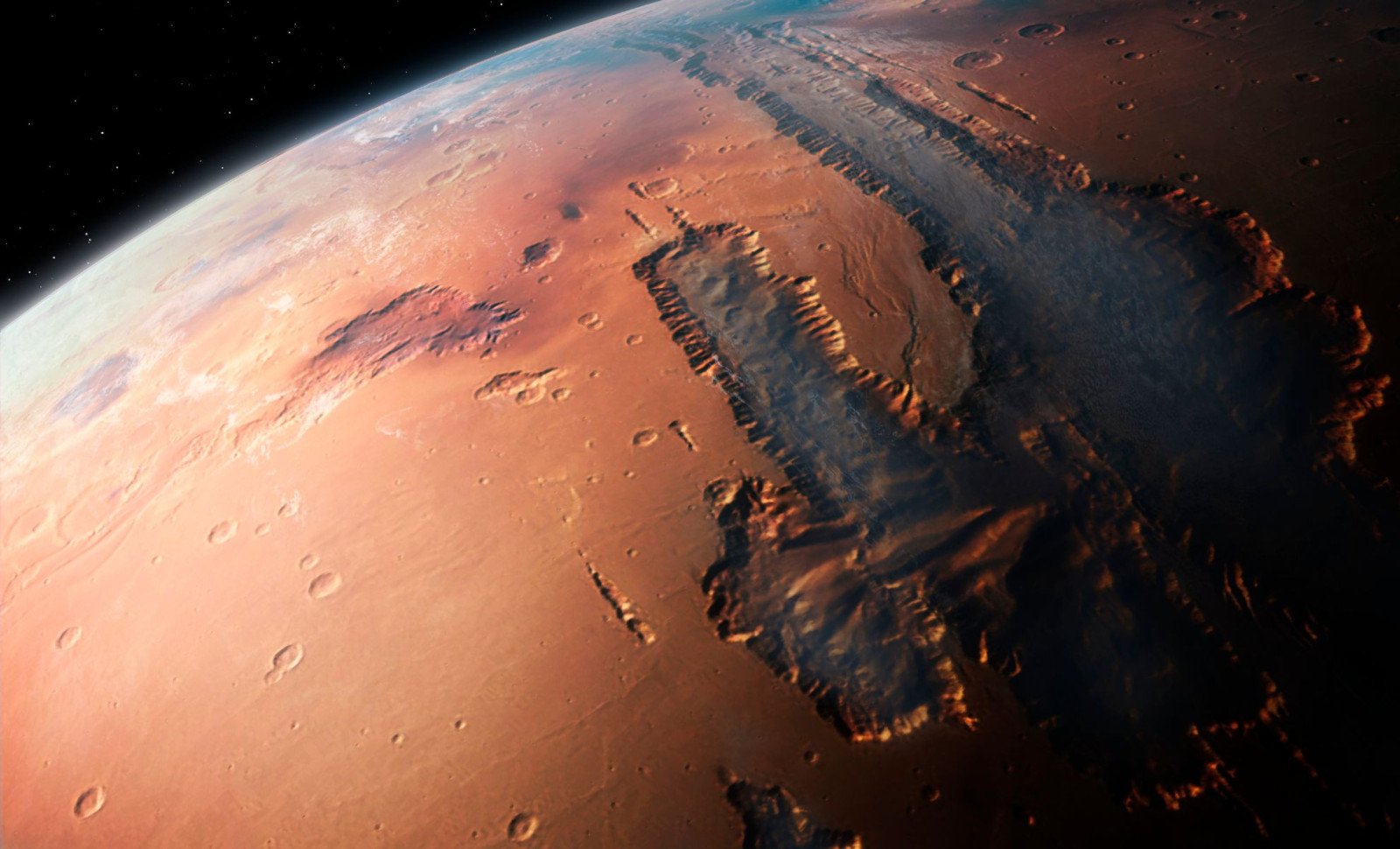
NASA’s Curiosity rover has unveiled a magnificent new “postcard” showcasing Mars through two contrasting lighting perspectives. This remarkable photo was snapped following a substantial software upgrade in April, capturing Curiosity’s final glimpse of the “Marker Band Valley” before it ventured onward to new locations.
The composite image merges two black-and-white panoramas taken at separate times of day, with enhanced colors emphasizing the striking differences in Martian illumination. Since 2012, Curiosity has been exploring the Gale Crater on Mars, providing invaluable insights into the planet’s geology and climate.
Highlighting the Boxwork Formation
NASA explains that the shots, taken at 9:20 a.m. and 3:40 p.m. Mars local time, depict the identical landscape with distinctly different lighting conditions. The morning photograph features blue color overlays, while the afternoon shot is tinted yellow. This deliberate contrast accentuates terrain features like distant hills and the rugged structure of Gale Crater that might otherwise go unnoticed.

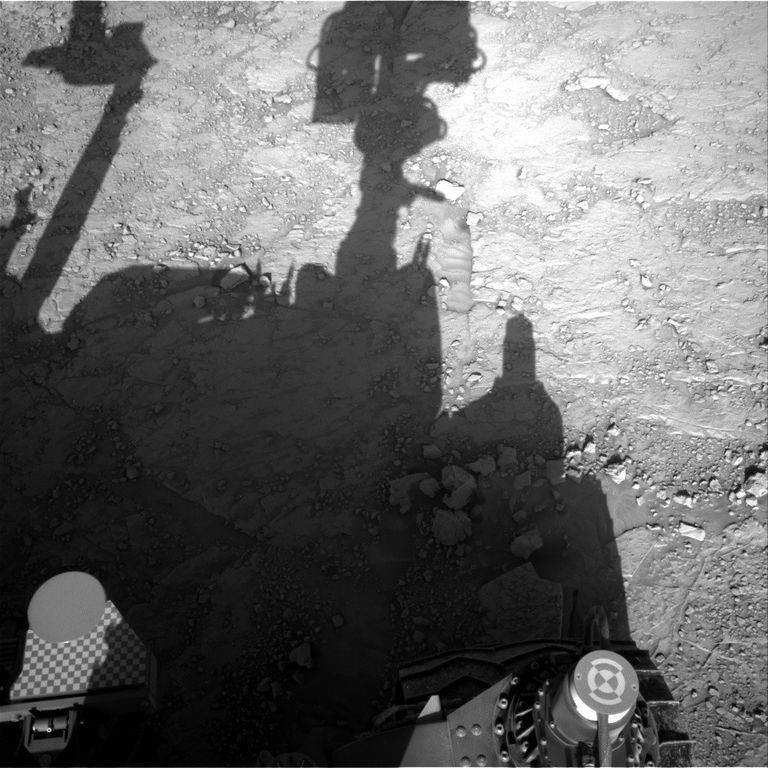
Doug Ellison, an engineer working on Curiosity at NASA’s Jet Propulsion Laboratory, noted that imaging at two separate daylight hours produces deeper shadows, giving the landscape a more vivid three-dimensional effect.
“Capturing two times of day provides dark shadows because the lighting is coming in from the left and the right, like you might have on a stage – but instead of stage lights, we’re relying on the Sun.” Ellison said.
Transforming Understanding of Mars’ Geology
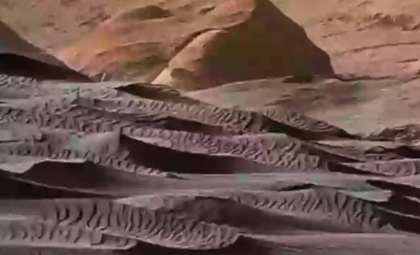
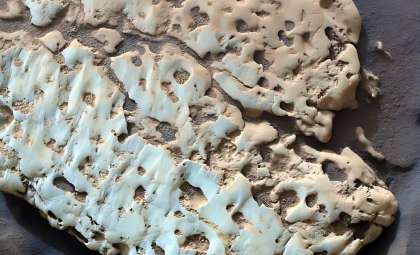
Curiosity is currently positioned near the base of Mount Sharp, a towering 3-mile-high mountain inside Gale Crater. NASA highlights that the rover’s vantage point grants an unobstructed view of Marker Band Valley, an area abundant in sulfate minerals that are crucial for revealing Mars’ ancient history, including signs of an old lake detected by Curiosity in the vicinity.
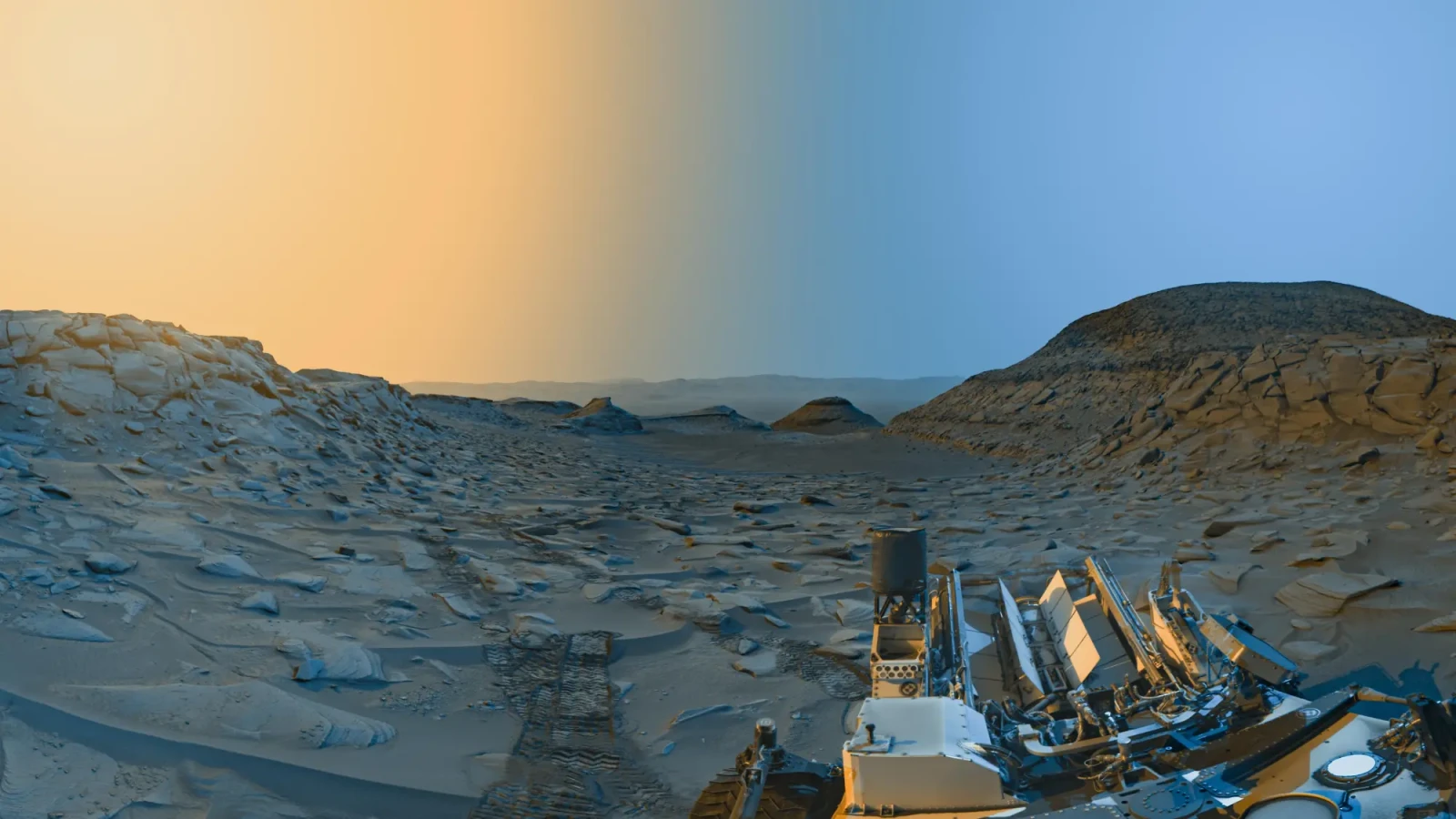
Ellison also mentioned that the photos were taken during the Mars winter season, when atmospheric dust levels are minimal. This clarity allows the shadows to appear sharper and more pronounced. He further commented:
“Mars’ shadows get sharper and deeper when there’s low dust and softer when there’s lots of dust.” The crispness of these winter images provides more reliable data for ongoing studies into the planet’s environment.
The rover is set to proceed into the lower slopes of Mount Sharp, with the newly gathered information aiding scientists in preparing for prospective human missions to Mars.
- Categories:
- Space





0 comments
Sign in to Comment