
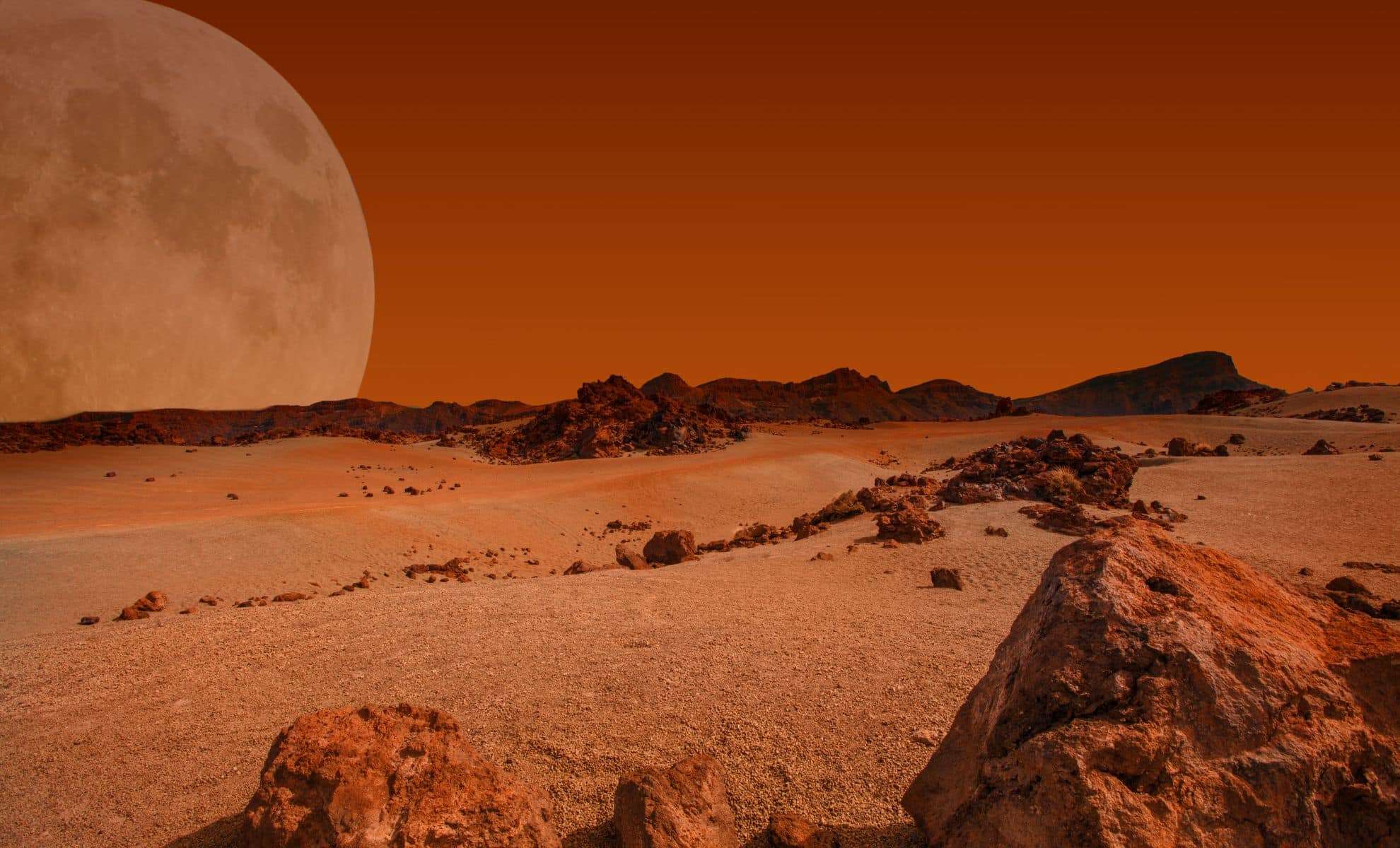
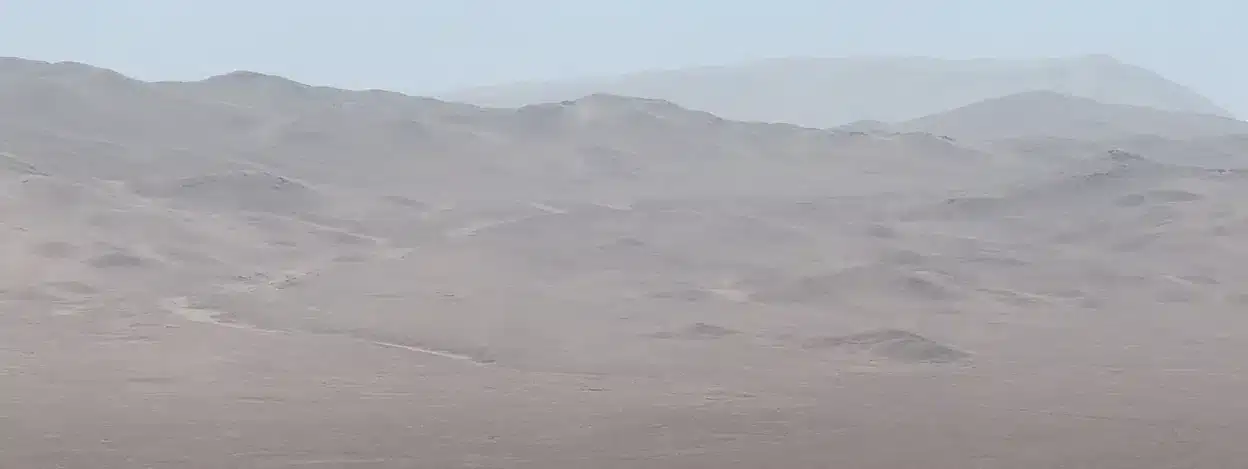
NASA's Curiosity rover has captured an extraordinarily detailed panorama of Mars, showcasing Gale Crater in unprecedented clarity thanks to ideal atmospheric conditions. As reported by the New York Post, this composite image was assembled from 44 Mastcam shots taken during a period of low dust, offering a fresh and vivid look at the Martian terrain.
Unveiling Gale Crater’s Stunning Details
Captured in the Martian winter when atmospheric dust is minimal, the panorama extends across the crater floor all the way to the northern rim, tens of miles away. Scientists at NASA’s Jet Propulsion Laboratory in Pasadena enhanced the images by adjusting colors to replicate Earth-like lighting, making it easier to analyze surface features.
This blend of rare weather conditions and sophisticated processing techniques has produced some of the clearest imagery Mars has offered. For planetary researchers, the detailed view opens new avenues for examining geological formations more thoroughly than ever before.

13 Years of Martian Exploration and Counting
Launched in 2011 and landing on Mars in August 2012, Curiosity was originally built for a two-year mission. Defying expectations, it is now in its 13th year of operations and continues to deliver valuable scientific discoveries.
The rover’s power source is a Radioisotope Thermoelectric Generator, which transforms heat from radioactive decay into electricity. Thanks to careful energy use, NASA forecasts Curiosity will keep working for at least two additional years, although the team is monitoring its declining power supply closely.
Clues to Mars’ Watery Past and Habitability
Curiosity’s mission uncovered layers in Gale Crater indicating Mars once featured an intricate network of streams and lakes. This evidence points to a time when liquid water persisted on the surface, a critical factor for the potential presence of past microbial life.
The rover also detected organic carbon-bearing rocks and essential elements such as sulfur, phosphorus, and oxidized iron. These findings support the theory that Mars not only had active geology but may also have had environments favorable to life.
Perseverance’s Role in Mars Sample Return Endeavors
NASA intensified its Martian research by deploying the Perseverance rover to Jezero Crater in 2021. While Curiosity keeps exploring Gale Crater’s geology, Perseverance is tasked with gathering material for a future sample return mission, in cooperation with the European Space Agency.
The objective is to transport rock samples collected by Perseverance back to Earth, though this ambitious project is projected to launch no earlier than 2040. Achieving this would offer the most comprehensive insights into Mars’ geological and possible biological past.
Operating in separate locations with distinct research goals, the two rovers continue to expand our understanding of Mars through exceptional robotic exploration.
- Categories:
- Space










0 comments
Sign in to Comment