
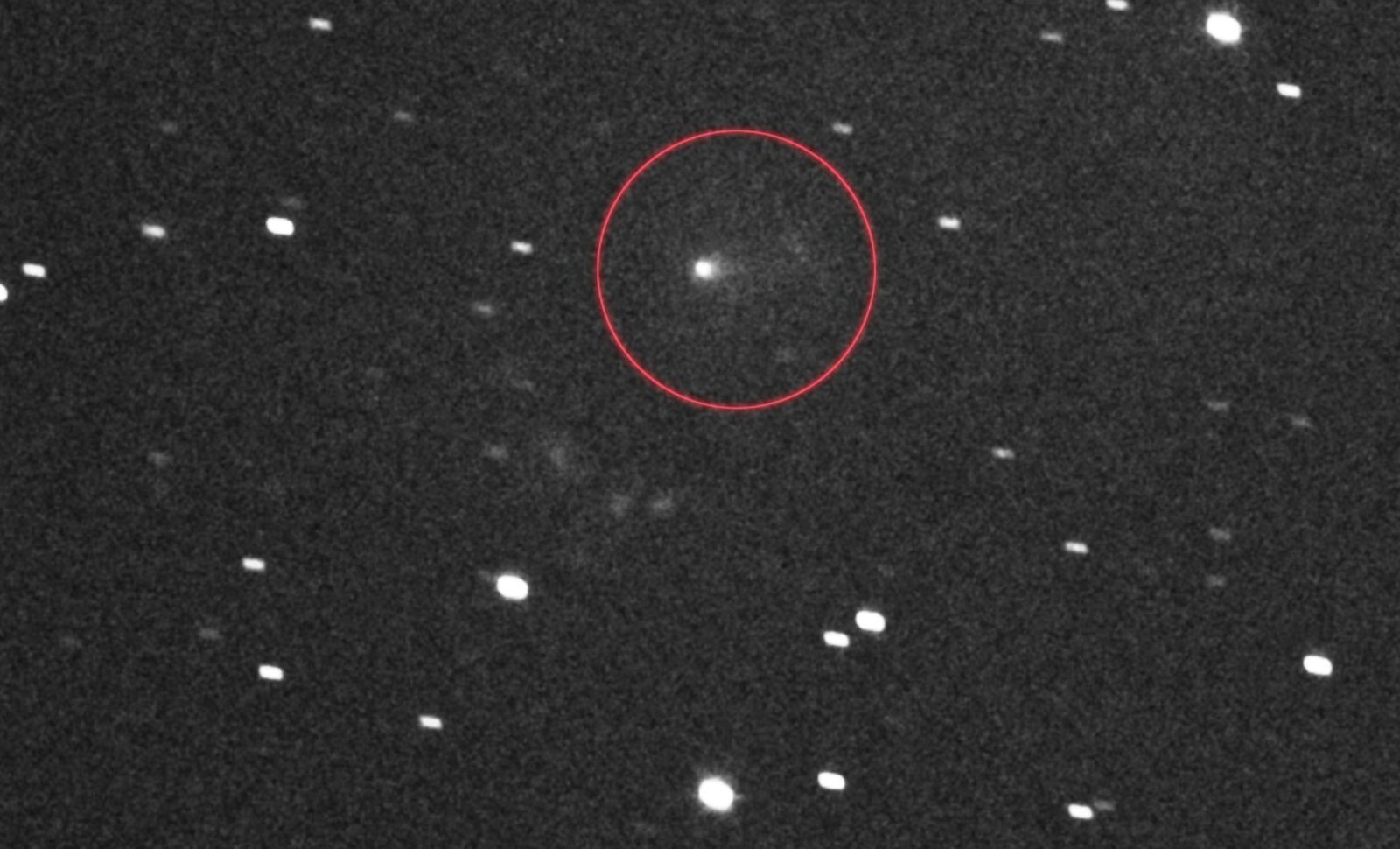
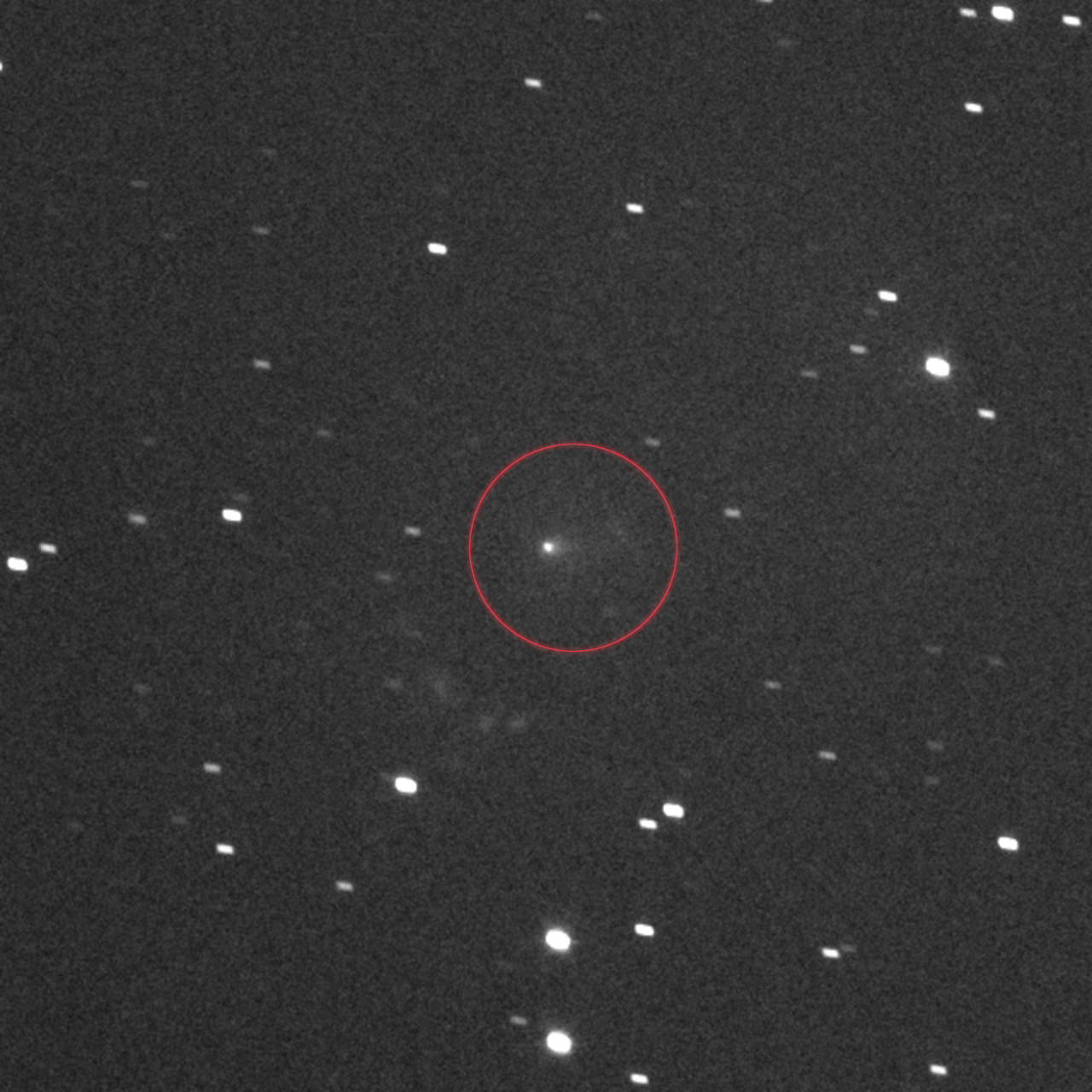
For the first time ever, NASA has created a comprehensive observational panorama of the interstellar comet 3I/ATLAS, a cosmic messenger from outside our solar system, through an extraordinary collaborative effort involving multiple spacecraft positioned from Mars to deep space.
The agency announced that eight separate spacecraft coordinated their efforts to monitor the comet through a diverse array of instruments, covering wavelengths from ultraviolet to visible light. This remarkable combined dataset is revolutionizing our understanding of swiftly passing visitors from distant star systems.
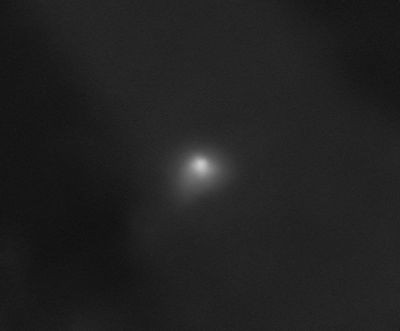
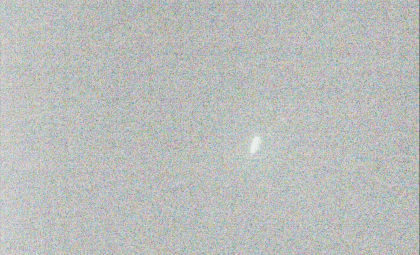
A standout achievement in this campaign occurred on Mars, where the Perseverance rover successfully imaged 3I/ATLAS from the Martian surface. According to NASA, this marks the first-ever recorded sighting of a comet viewed from the surface of another planet.

This unique campaign is shedding light on what sets 3I/ATLAS apart — just the third known interstellar object passing through our solar system — from the countless comets native to our cosmic neighborhood. Researchers are still decoding what the findings reveal about the composition and motion of planetary systems beyond our own.
Capturing a Celestial Visitor Across Vast Distances
Discovered on July 1 by the NASA-supported ATLAS observatory in Chile, 3I/ATLAS immediately drew interest from teams agency-wide. Follow-up observations by the Hubble Space Telescope, James Webb Space Telescope, and SPHEREx, a spectral survey mission, yielded vital early data on the comet’s emissions and trajectory.
However, Mars supplied the richest set of observations. NASA confirmed that the Mars Reconnaissance Orbiter (MRO) obtained the highest-resolution orbital images of the comet, while the MAVEN probe observed ultraviolet emissions indicative of hydrogen release, crucial for deciphering the comet’s chemical composition.
The most surprising breakthrough came from the Martian surface itself. NASA disclosed that Perseverance successfully photographed 3I/ATLAS from Jezero Crater on October 4, as the comet passed within 30 million kilometers of Mars. This breakthrough marks the first-ever comet detection from the ground of another planet, a landmark given the comet’s interstellar origins.
“While interstellar travel remains beyond our reach, we’re fortunate that fragments arrive here,” said planetary scientist Dr. Matthew Genge from Imperial College London in an IFLScience interview. “This represents one of the most reliable methods to analyze material formed in distant planetary environments.”
Deep-Space Explorers and Solar Observers Join the Hunt
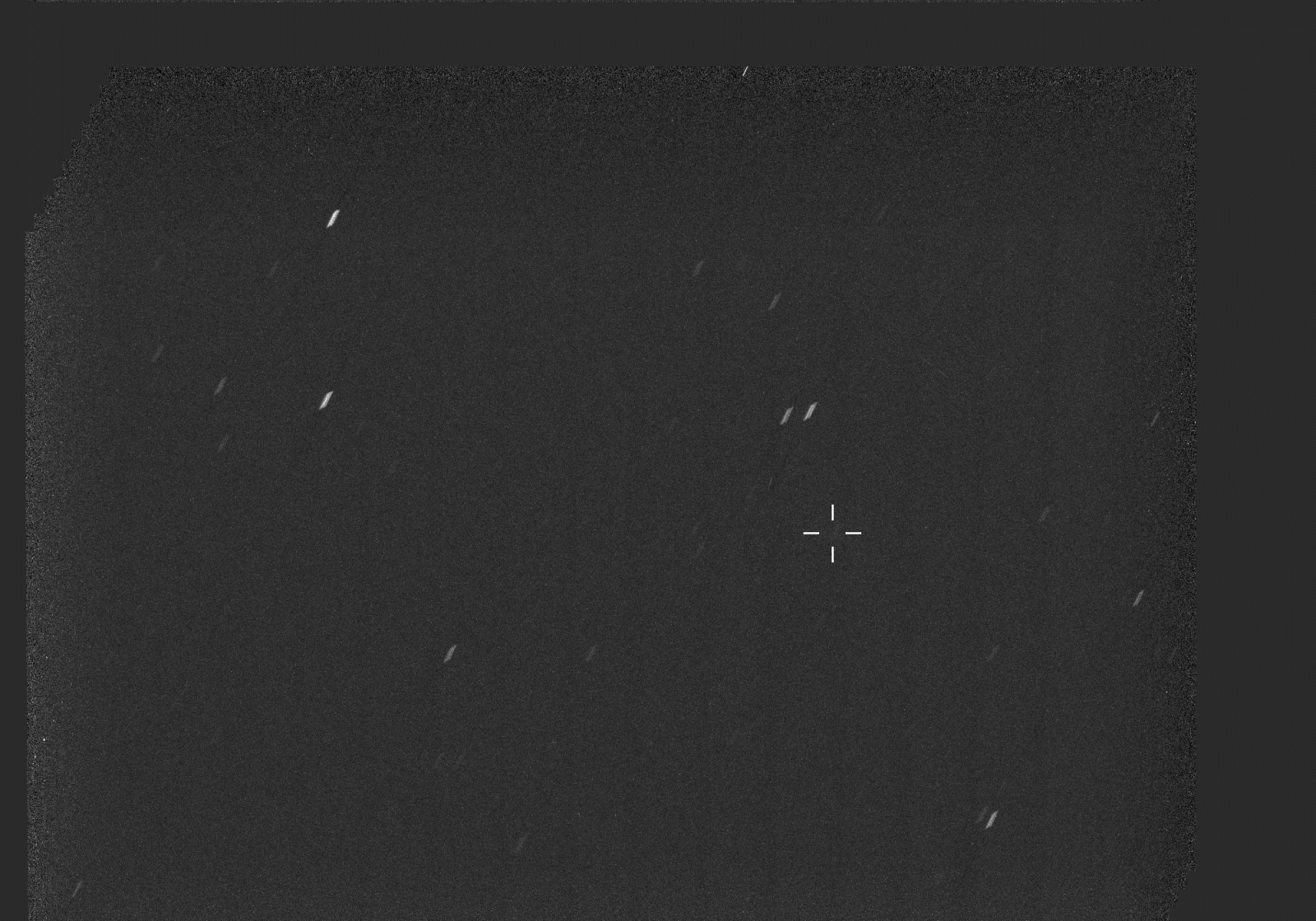
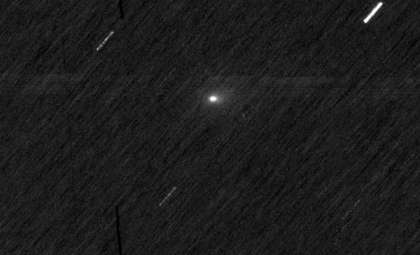
NASA’s observational effort extended well beyond Mars. In early September, the Psyche spacecraft, en route to a metallic asteroid, captured four image sequences of 3I/ATLAS from 33 million miles away. Shortly after, the Lucy probe recorded images from a distance of about 240 million miles, contributing deep-space perspectives that enhanced the dataset.
When 3I/ATLAS passed behind the Sun in early October—obscured temporarily from Earth telescopes—NASA’s heliophysics missions took the lead. Missions such as STEREO, SOHO, and the newly launched PUNCH mission documented the comet’s trajectory and tail behavior during this solar conjunction. NASA confirms this event marks the first deliberate comet observations by solar science spacecraft.
Data from PUNCH revealed the tail’s arrangement between September 20 and October 3, while SOHO monitored the comet from October 15 to 26. STEREO’s observations began as early as September 11.
Disentangling Myths From Scientific Reality
As the comet slid out of view behind the Sun, rumors surfaced online claiming 3I/ATLAS was an alien spacecraft maneuvering undetected. These allegations were swiftly refuted using scientific data and tracking information.
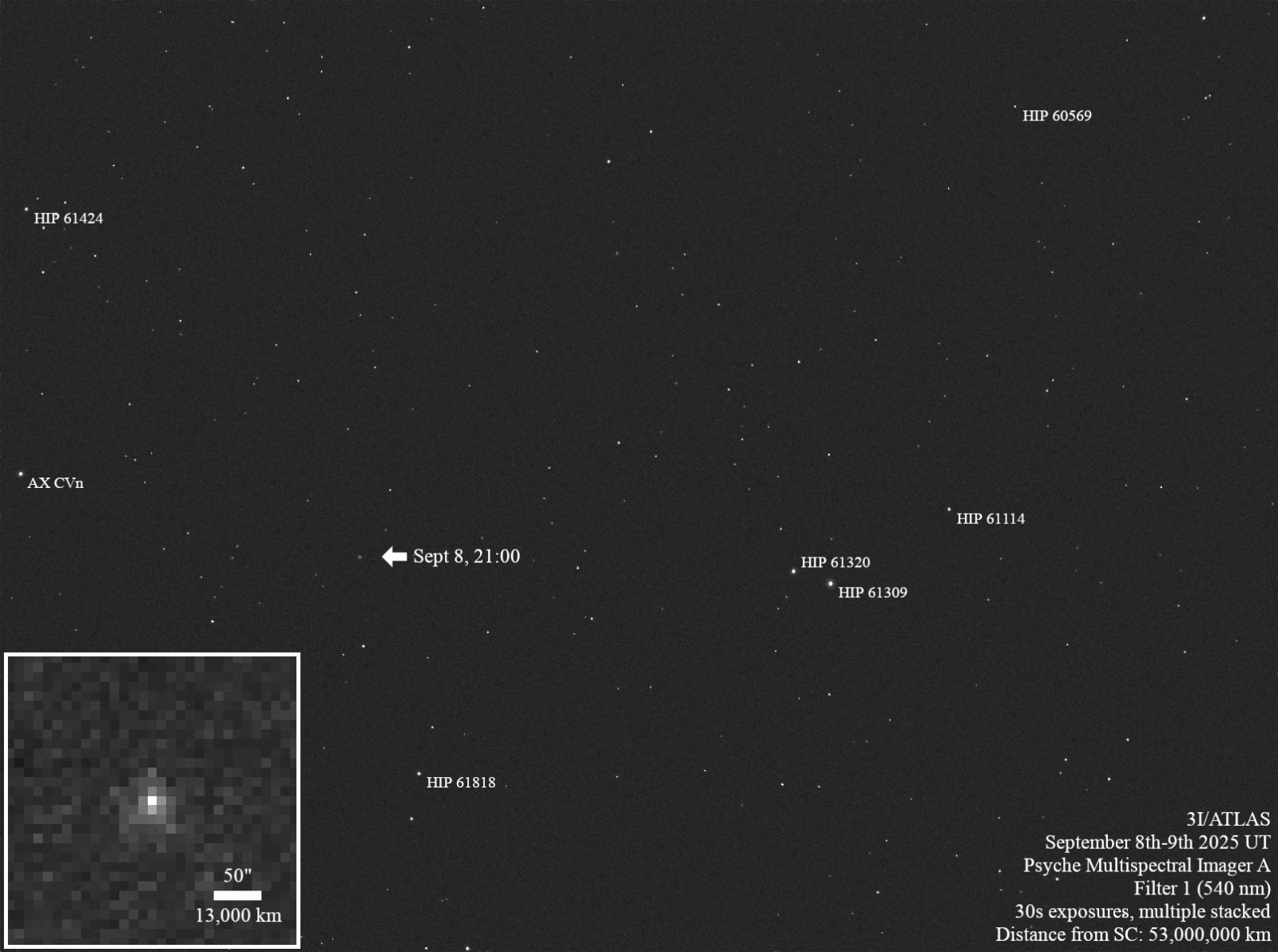
NASA and ESA continued tracking confirmed that 3I/ATLAS maintained its predicted cometary orbit. In particular, data from ESA’s Trace Gas Orbiter improved the comet’s orbital accuracy by a factor of 10, dispelling doubts about any unusual activity.
“They validate what was suspected all along: it behaves, looks, and travels like a comet — so it’s a comet,” explained Dr. Genge.
Interstellar comets differ from their solar system counterparts mainly due to origin and speed. 3I/ATLAS is estimated to be around twice the age of our solar system, making it a rare relic from a star system formed elsewhere in our galaxy.
A Faint Visit but a Lasting Scientific Impact
3I/ATLAS will approach its nearest point to Earth on December 19, at a distance of 170 million miles—almost twice the Earth-Sun gap. Though too distant for unaided visual detection, astronomers will continue tracking it as it moves beyond Jupiter’s orbit in spring 2026.
This groundbreaking observation campaign underscores that interstellar objects can now be monitored live across the solar system using spacecraft originally purposed for other missions. From rovers on Mars and asteroid explorers to solar observatories, NASA demonstrated extraordinary collaboration in tracking this distant comet millions of miles away.
Each dataset not only captures the comet’s properties but also expands how astronomers approach studies of objects from beyond our star system. As more interstellar visitors are discovered, there will be increasing impetus to design specialized missions, including possible sample-return ventures.
- Categories:
- News








0 comments
Sign in to Comment