
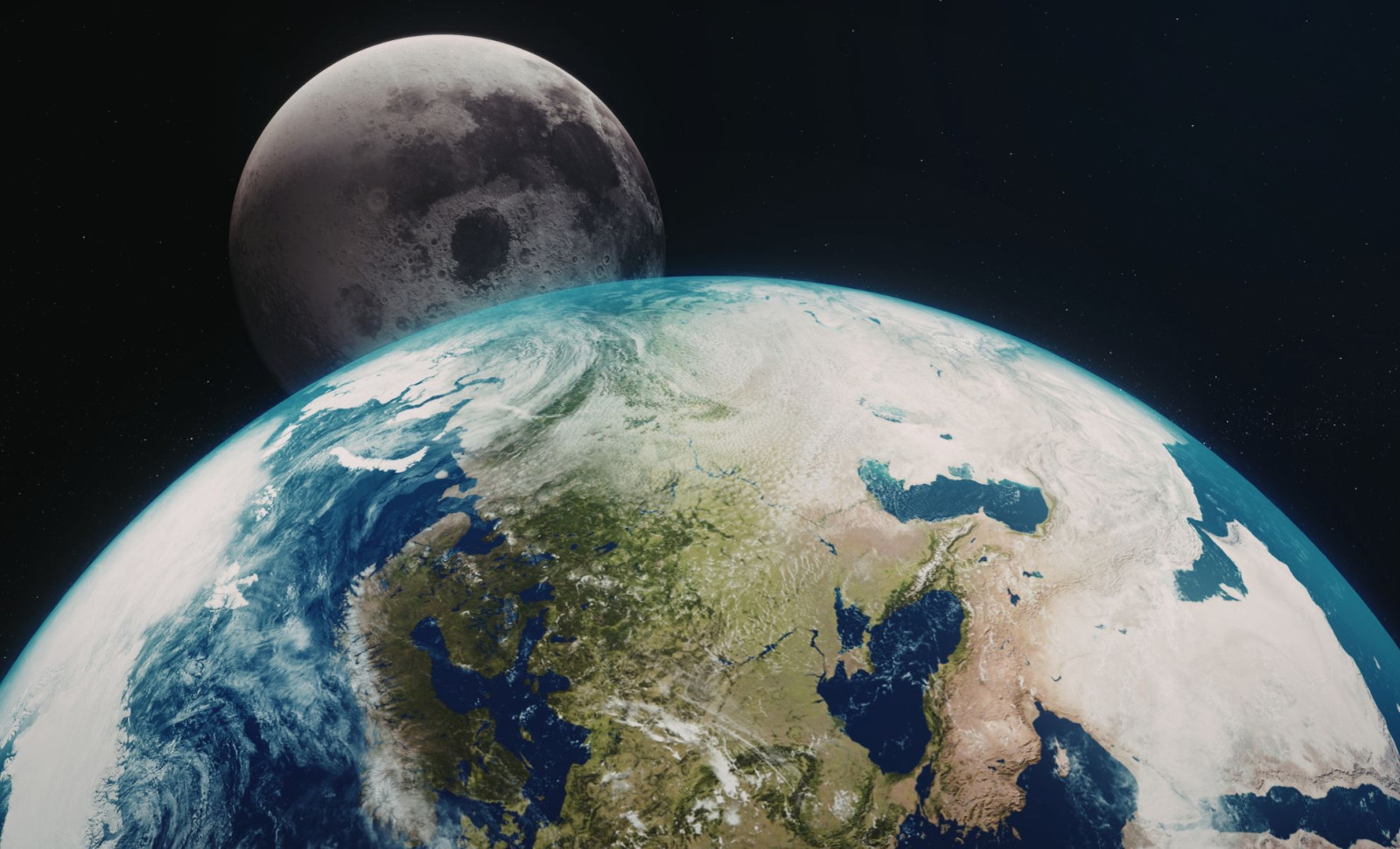
Our planet’s only natural satellite, the Moon, is gradually drifting away from Earth, causing subtle changes in day length and altering Earth's rotational dynamics. This slow but persistent separation is part of a long-term cosmic evolution happening over millions of years.
While the lunar cycle has long appeared consistent—regulating tides and eclipses with steady precision—advanced observations now reveal this steadiness is an illusion. The distance between Earth and the Moon is increasing incrementally every year.
This incremental distancing influences the fundamental mechanics of Earth’s rotation. The connection between ocean tides, orbital behavior, and the length of days is well-supported by fossil evidence coupled with modern laser tracking data.

Ancient Shells Unveil Faster Rotations of Early Earth
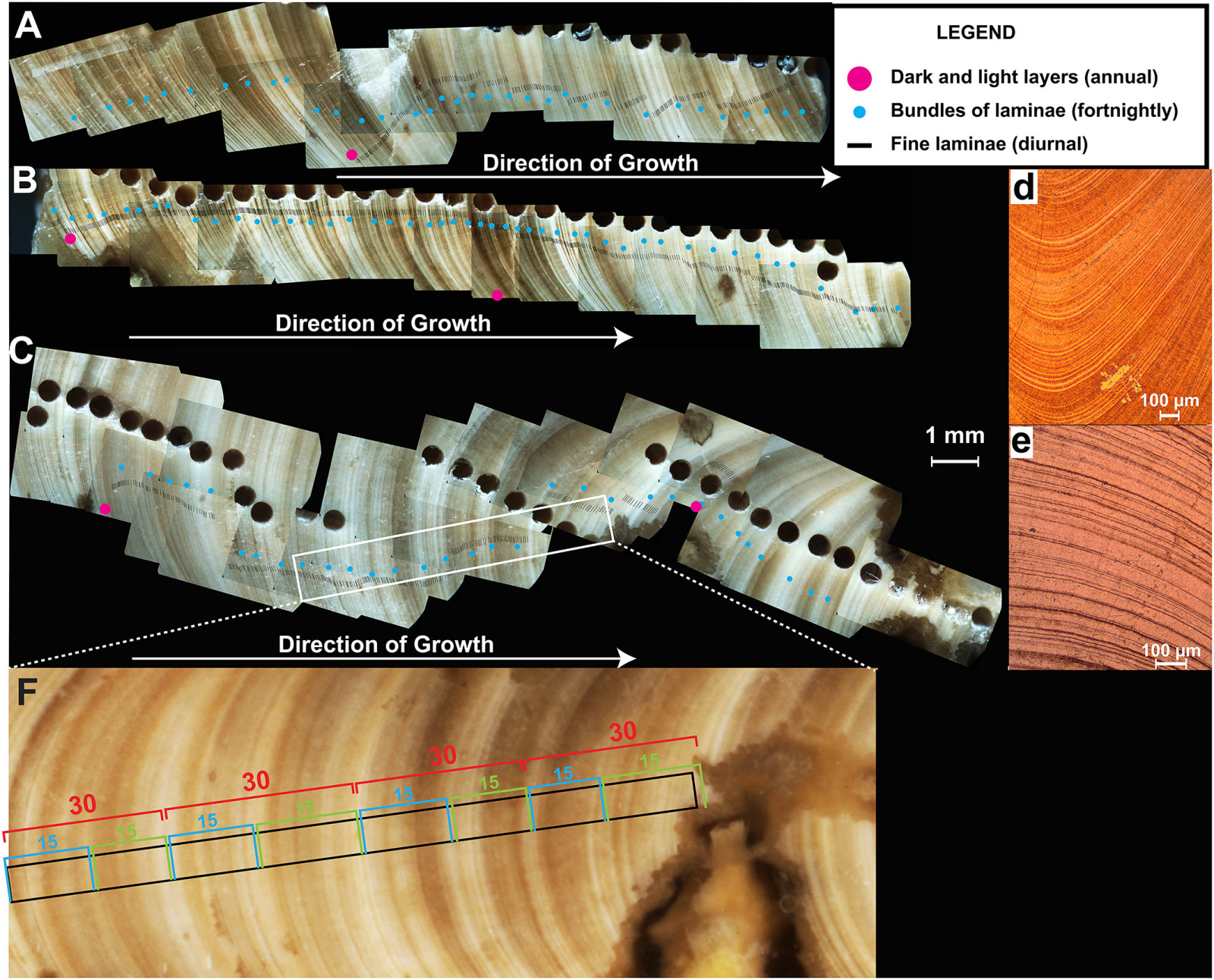
Approximately seventy million years ago, during the late Cretaceous era, Earth's day was about 23.5 hours long. A 2020 study published in Paleoceanography and Paleoclimatology arrived at this by studying growth patterns in fossilized shells from the bivalve Torreites sanchezi.
These growth lines, akin to the rings in a tree trunk, document daily development cycles. Counting them revealed that a year contained roughly 372 days back then. More daily increments in a year indicate days were shorter in duration.
The findings imply the Moon orbited nearer Earth at the time, exerting stronger gravitational forces that influenced the planet’s spin. This conclusion is firmly based on geological archives preserved in limestone formations.
Tidal Forces Propel Moon’s Outward Journey
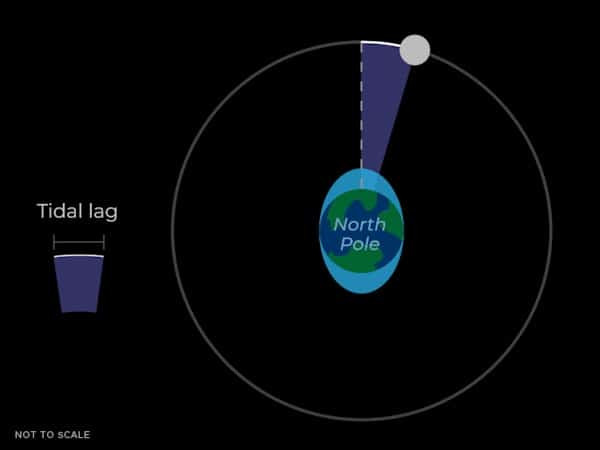
What drives the Moon's gradual retreat is the interaction of tidal forces. Due to Earth's rotation, lunar gravity pulls ocean waters, raising two tidal bulges on opposite sides of the planet. These bulges do not line up exactly with the Moon's position because Earth spins faster than the Moon revolves around it.
This displacement causes a gravitational torque where the tidal bulge leads the Moon's orbit, transferring Earth’s rotational energy to the Moon. Consequently, the lunar orbit expands as it gains orbital momentum. NASA details this process in a press release:
“One of the biggest revelations is that the Earth and Moon are slowly drifting apart at the rate that fingernails grow, or 1.5 inches (3.8 centimeters) per year. This widening gap is the result of gravitational interactions between the two bodies.”
Slowing Spin: Earth Loses Tempo as Moon Moves Away
As the Moon absorbs extra energy to expand its orbit, Earth compensates by steadily losing rotational velocity. The energy that causes the lunar orbit to widen comes at the expense of our planet’s spin momentum.
Astrophysicist Stephen DiKerby from the University of Michigan explained in The Conversation that although the effect is imperceptible within a human lifespan, it is an irreversible process. Each day lengthens by tiny fractions of a second as Earth's rotational energy shifts outward.
This difference is minuscule on short timescales, but accumulated over millions of years, it holds significant consequences. While Earth and its satellite may appear locked in a consistent orbit, their dynamic relationship is continuously evolving.
- Categories:
- News






0 comments
Sign in to Comment