
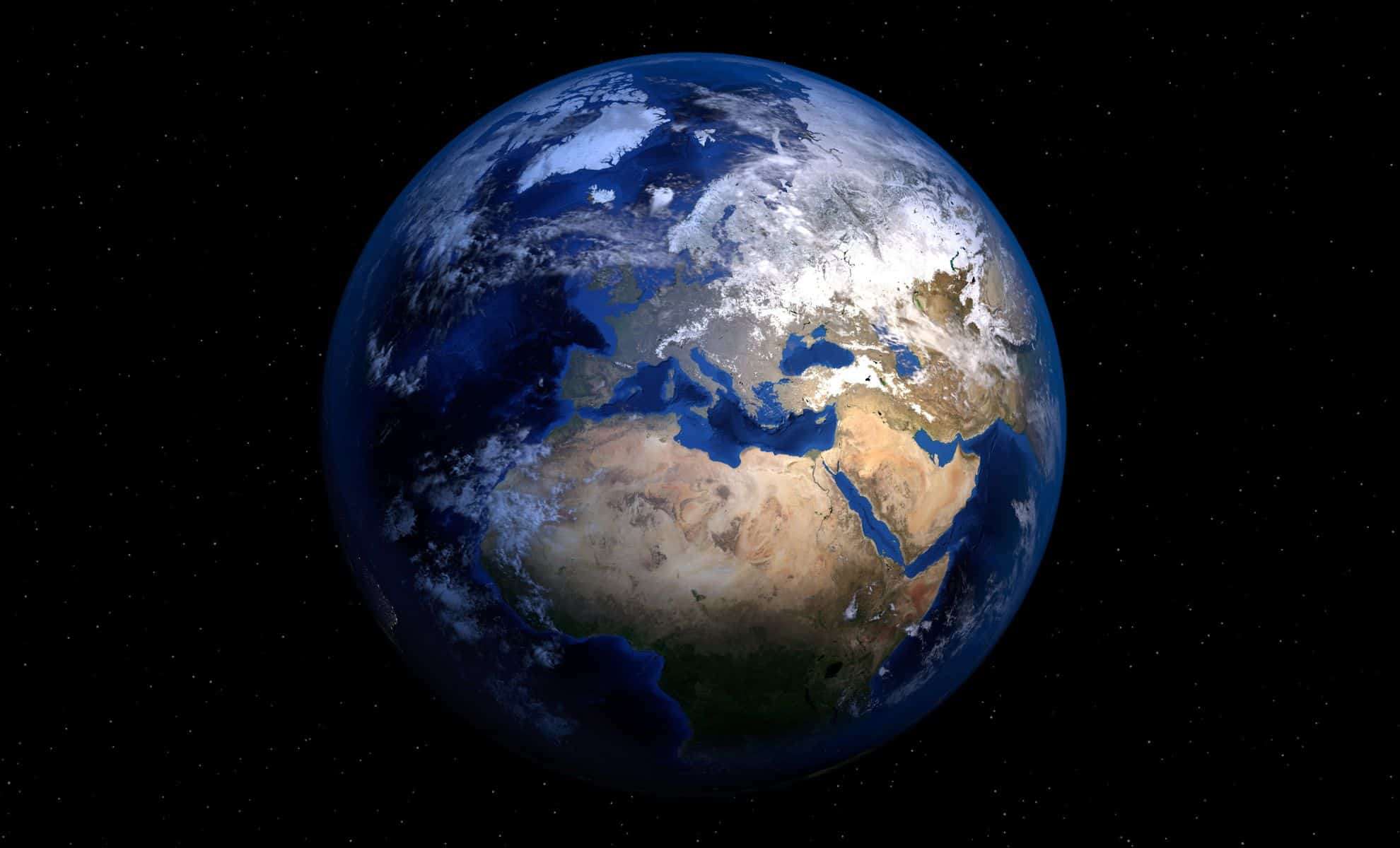
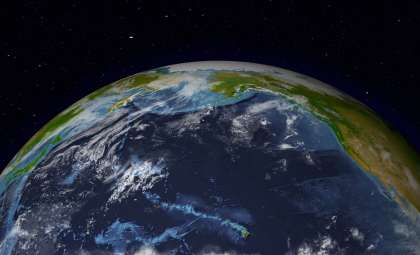
Earth's rotation has recently been showing a slight increase, shortening days by mere milliseconds. Although this shift seems minimal, researchers are investigating what effects a faster spin might bring. As noted by New Scientist, an accelerated rotation could trigger severe flooding, stronger seismic activity, and more extreme weather conditions. Let’s delve into the possible outcomes if our planet begins spinning more rapidly.
Changes in Ocean Levels and Distribution
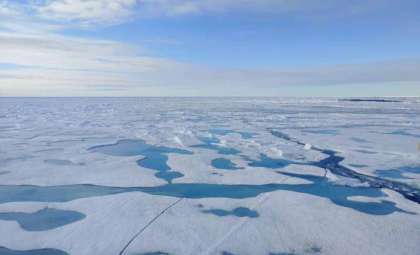
An immediate impact of increased Earth rotation would be the equatorial redistribution of ocean waters. Faster spinning would generate greater centrifugal force, pushing water outward along the equator and altering the planet’s shape. This would likely cause significant flooding in equatorial zones while causing water levels to drop near the poles, including the Arctic regions.
Professor Duncan Agnew, a geophysicist at the University of California, San Diego, explained to The Daily Mail how a 10 percent increase in rotational velocity could alter tides drastically. Certain regions would experience higher tides, while others would see a decrease, disrupting coastal ecosystems and infrastructure worldwide.

Heightened Seismic Instability
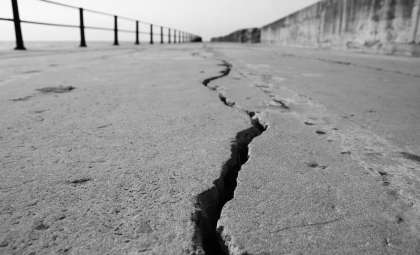
The Earth’s spin influences not only the oceans but also the movement of tectonic plates. An acceleration in rotation would amplify stresses on the crust, potentially causing earthquakes to become more frequent and intense. Professor Agnew warns that faster rotation could accelerate tectonic motion, contributing to increased seismic events.
Additionally, stronger centrifugal forces would lessen the effective gravitational pull, making the planet's outer layers experience altered pressures. This intensification of geological stresses could provoke larger and more destructive earthquakes, especially in already vulnerable regions.
Stronger Storms and Weather Disruptions
One of the most alarming consequences of a quicker Earth rotation would be the amplification of weather patterns. The Coriolis effect, which governs the rotation and strength of storms like hurricanes, would intensify alongside the faster spin. NASA astronomer Dr. Sten Odenwald warned that with increased rotation speed, hurricanes could grow faster and more powerful. This would lead to devastating wind speeds and potentially catastrophic damage to both coastal and inland communities.
Extreme weather events would become more frequent, stressing global climate systems and possibly causing more severe disruptions to ecosystems and human societies.
Gravity’s Diminished Grip
Faster Earth rotation would increase centrifugal force, which counteracts gravity. This means that as the planet spins quicker, people and objects would feel lighter. Alex Foster described to New Scientist how acceleration diminishes gravitational pull, making us feel almost weightless.
However, if rotation speed increased dramatically, centrifugal force might even surpass gravity, risking the possibility of objects being propelled off the Earth’s surface. Though hypothetical, this scenario underscores the profound impact rotational changes could have on daily life.
Earth’s Gradual Rotation Slowdown
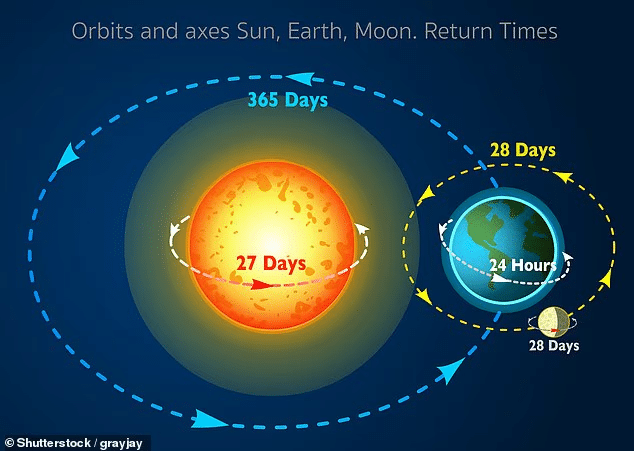
Despite these dramatic possibilities, Earth’s spin is naturally slowing over billions of years. Professor Agnew notes that over a billion years ago, a day was only about 19 hours long, indicating a persistent deceleration since the Moon's formation. Over the past century, the day has shortened slightly by 1.7 milliseconds, showing how slow these changes typically are.
Dr. Judah Levine from the National Institute of Standards and Technology added that any significant speed-up would require huge shifts in angular momentum, possibly involving the Moon’s orbit. Yet, no evidence supports such events in Earth's history, making these concerns speculative rather than imminent.
- Categories:
- News



0 comments
Sign in to Comment