
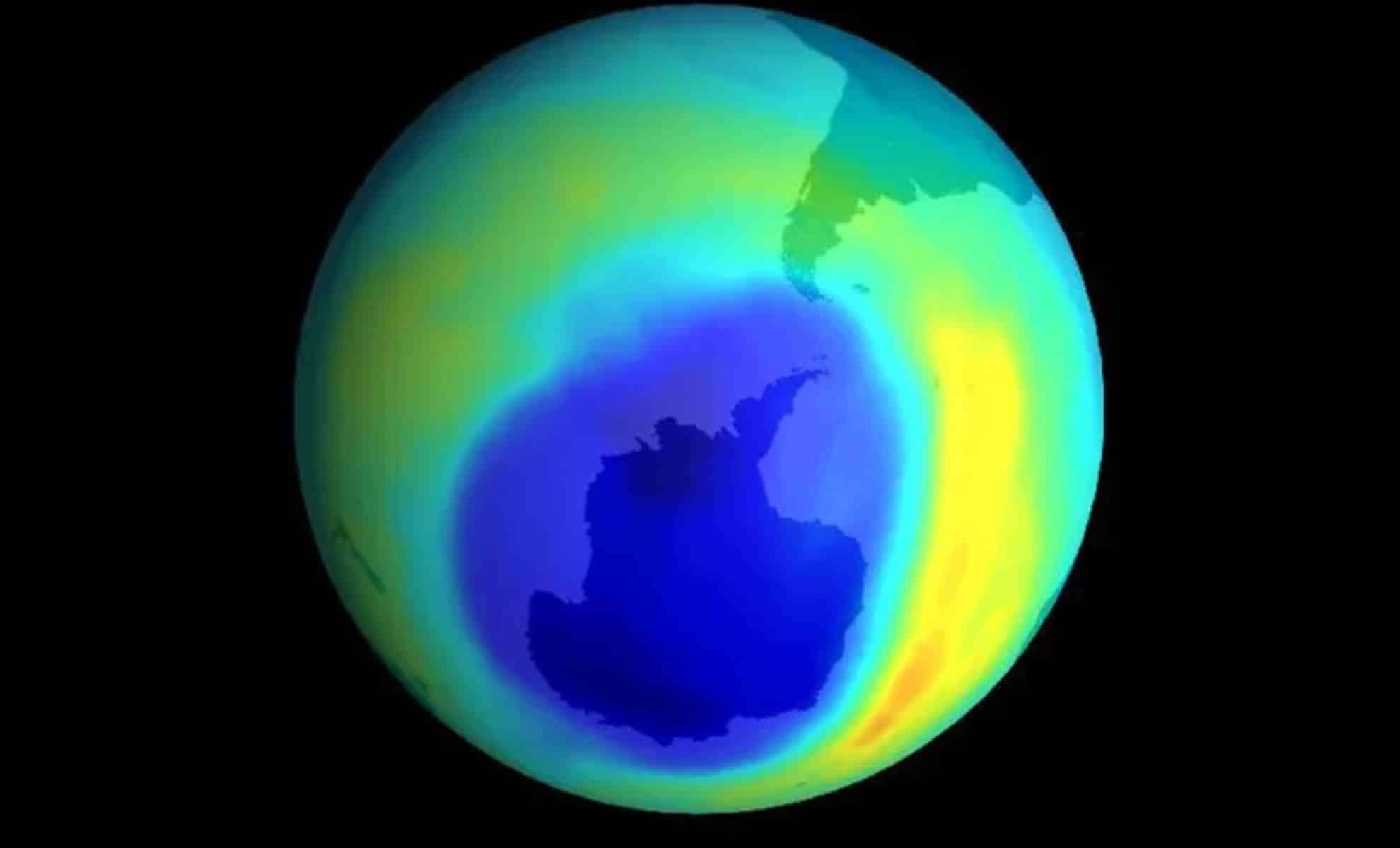
It has been four decades since researchers uncovered the startling presence of a massive gap in the ozone layer above Antarctica. This revelation prompted urgent worldwide efforts to safeguard this crucial atmospheric shield. The ozone layer serves as our planet’s natural defense against harmful ultraviolet radiation, which can lead to severe health problems including skin cancer, genetic damage, and vision impairment, while also affecting ecosystems. Utilizing findings from the British Antarctic Survey, the pioneering group responsible for this discovery, we delve into the discovery’s background, causes, and the current condition of the ozone hole.
Initial Detection and Worldwide Repercussions
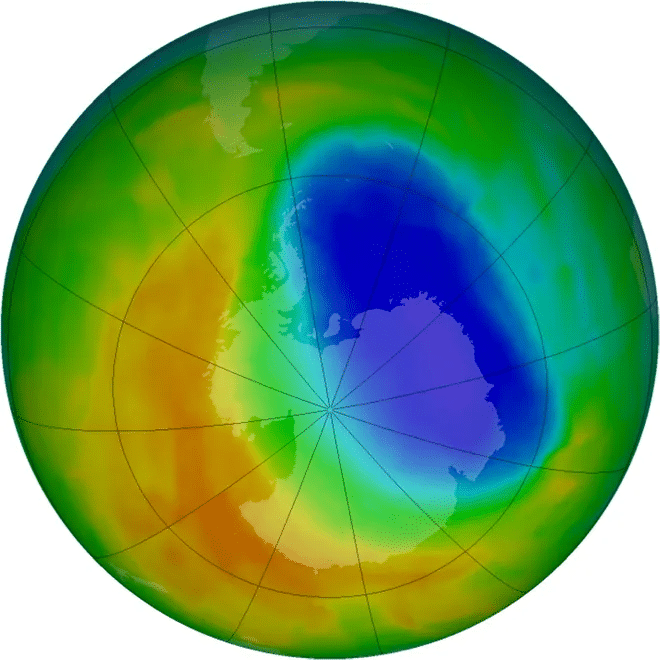
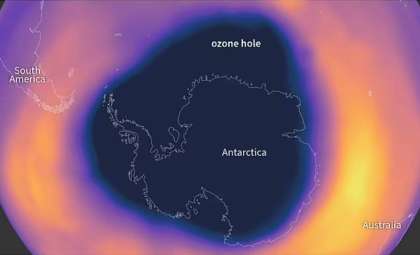
In 1985, scientists from the British Antarctic Survey identified a significant depletion of the ozone layer over Antarctica during the Southern Hemisphere’s spring, particularly between August and October. This unexpected finding sent shockwaves through both the scientific community and policymakers across the globe.
Dominic Hodgson, acting science director at BAS, called the event “one of the most groundbreaking environmental findings of the 20th century,” underlining how it exemplified “the impact of thorough science, transparent communication, and international collaboration” in confronting planetary threats. Jon Shanklin, a principal researcher in the original study and now an emeritus fellow at BAS, reflected on the uncertainty regarding global reactions when their study was first published.

The identification of the ozone hole spurred rapid international efforts, leading to the landmark 1987 Montreal Protocol. This treaty committed nations to halt the production of ozone-depleting agents at 1986 levels and gradually eliminate them altogether. It is widely regarded as one of the most effective environmental agreements, drastically reducing emissions of chlorofluorocarbons (CFCs) and related damaging compounds.
Understanding the Mechanisms Behind Ozone Loss
The stratospheric ozone layer plays a vital role in shielding life by absorbing harmful ultraviolet rays. Although it regenerates naturally, certain human-made chemicals disrupt this balance. Chief among these disruptors are CFCs, historically found in refrigeration units, aerosol sprays, solvents, and fire extinguishing systems.
Upon reaching the stratosphere, these chemicals break down under UV radiation, releasing chlorine and bromine atoms. These reactive atoms then dismantle ozone molecules, degrading the layer faster than it can recover.
The formation of the ozone hole is linked to Antarctic springtime’s extremely low temperatures, which lead to polar stratospheric clouds formation. These clouds facilitate chemical reactions involving chlorine and bromine, accelerating ozone destruction. The hole typically peaks around late September before gradually closing during the summer.
Ongoing Recovery and Associated Obstacles
While global collaboration has led to ozone layer healing, the pace remains slower than initially anticipated. In correspondence with USA Today, Jon Shanklin noted that “the pace of restoration is somewhat delayed,” potentially due to complexities involving climate change. This suggests that interactions within the climate system may influence ozone recovery dynamics.
Despite the Montreal Protocol’s success in curbing ozone-depleting substances, many of these chemicals persist in the atmosphere for over half a century. Consequently, complete restoration of the ozone layer is projected to extend beyond 2070 even if no new emissions occur.
The recurring presence of a significant ozone hole each Antarctic spring ensures that elevated UV radiation exposure risks remain for decades. Continuous scientific monitoring and research are critical to uncover how climate change might be impacting the natural healing process.
The Ozone Crisis as a Model for Environmental Response
The global reaction to the ozone depletion crisis exemplifies how scientific insight, policy, and diplomacy can unite to tackle worldwide crises. The Montreal Protocol has not only preserved the ozone layer but also helped avert millions of cases of skin cancer and other health issues.
Dominic Hodgson highlighted how the episode “shows the effectiveness of well-founded science, clear messaging, and international unity in addressing threats that span the globe.” This success contrasts sharply with slower progress in areas such as climate change, biodiversity conservation, and pollution reduction. Jon Shanklin pointed out that prevailing economic frameworks often overlook environmental impacts, driving many avoidable current challenges.
The ozone hole narrative inspires optimism that coordinated, science-driven global action can protect Earth’s environment—if the international community applies the same commitment to other urgent issues.
- Categories:
- News





0 comments
Sign in to Comment