
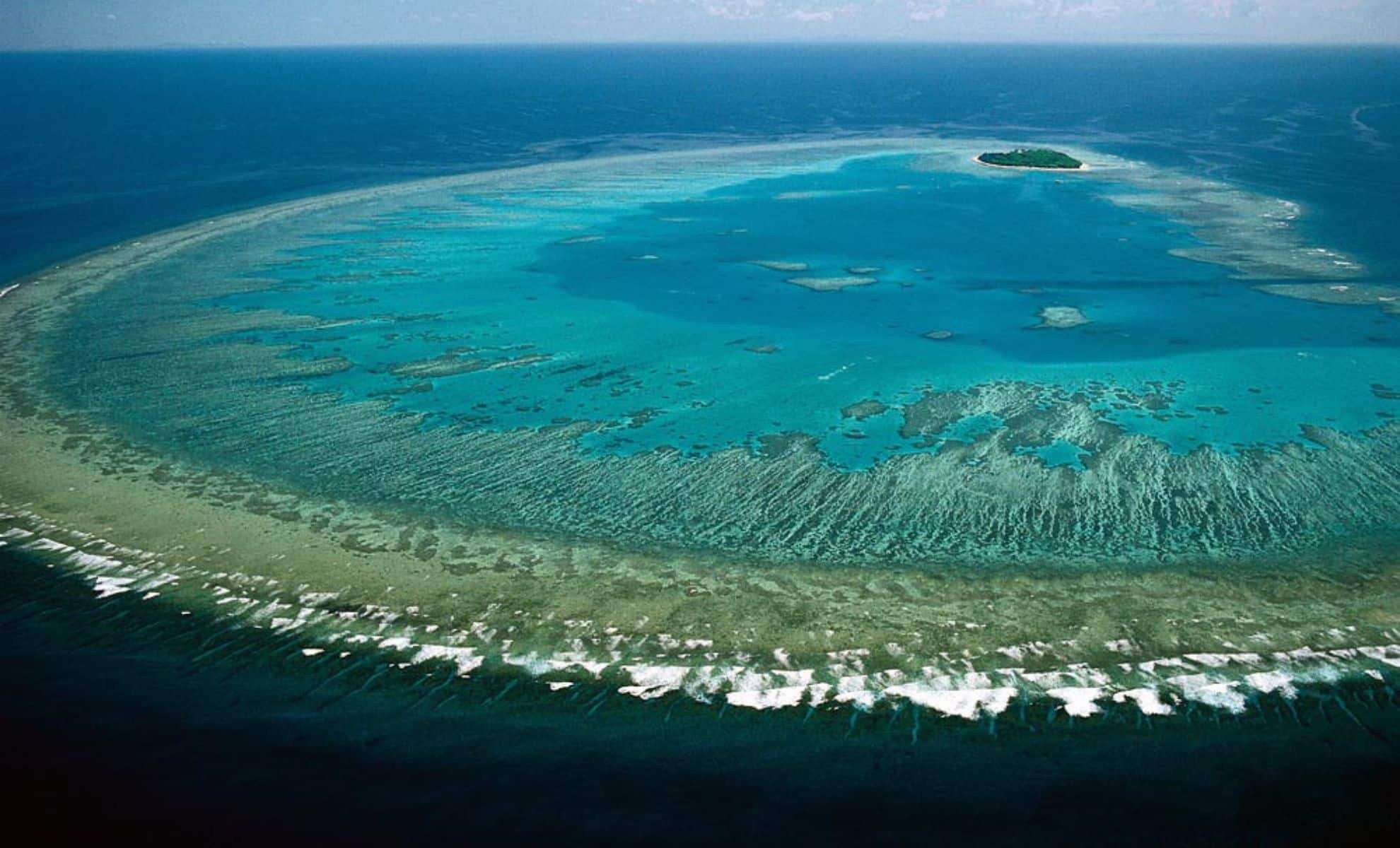
Scientists recently uncovered remarkable findings about marine life within the Great Barrier Reef in Australia, shedding fresh light on this iconic ecosystem. Published in Science Advances, the study reveals how the reef’s distinctive marine interactions have significant implications for understanding ocean ecosystems' sustainability and health.
Thriving Fish Communities in Protected Areas
Protected marine zones in the Great Barrier Reef show remarkable ecological success. Fish populations in these no-fishing zones are two to three times denser compared to areas open to fishing. Central to this research is the coral trout, or coral grouper, a species vital for biodiversity preservation and commercial fishing industries alike.
These reserves act as essential breeding habitats where fish achieve larger sizes and produce more offspring. Young fish then disperse into neighboring fishing grounds, sustaining catches without jeopardizing species numbers. Researchers estimate that approximately 55% of coral trout reproduction and 47% of the reef’s total catch stem from these protected regions.

“Although marine reserves represent less than one-third of the reef's total area, they contribute more than half of the coral trout’s reproductive output and nearly half of the fish caught,” explained Maya Srinivasan from James Cook University.
Benefits Reach Far Beyond Reserve Boundaries
Utilizing a blend of underwater surveys, genetic analyses, ocean current simulations, and detailed reef mapping accumulated over decades, the study demonstrates that marine reserve advantages extend well beyond their sites. Around 95% of reefs receive at least 30% of their juvenile fish from nearby protected zones, and 93% of fished reefs rely on these reserves for at least 30% of their overall catch.
These findings highlight how conservation efforts in specific areas enhance the resilience and productivity of the entire reef ecosystem.
Michael Bode from QUT’s School of Mathematical Sciences noted, “Safeguarding fish populations inside no-take zones ensures a continuous supply of young fish to reefs where fishing occurs, thus protecting biodiversity and supporting sustainable harvests.”
Conservation Supports Both Ecosystem and Coastal Livelihoods
This research reveals a promising synergy between ecological preservation and economic well-being. Healthy fish stocks within marine reserves promote sustainable fishing, providing reliable resources for coastal communities without compromising the reef’s long-term vitality.
Bode added, “Protected areas exemplify how marine conservation can simultaneously bolster local economies and safeguard unique reef biodiversity.”
With significant funding from the Australian government dedicated to reef protection, the study reinforces that marine conservation efforts are not obstacles to economic progress but essential partners in fostering sustainable development.
- Categories:
- News










0 comments
Sign in to Comment