
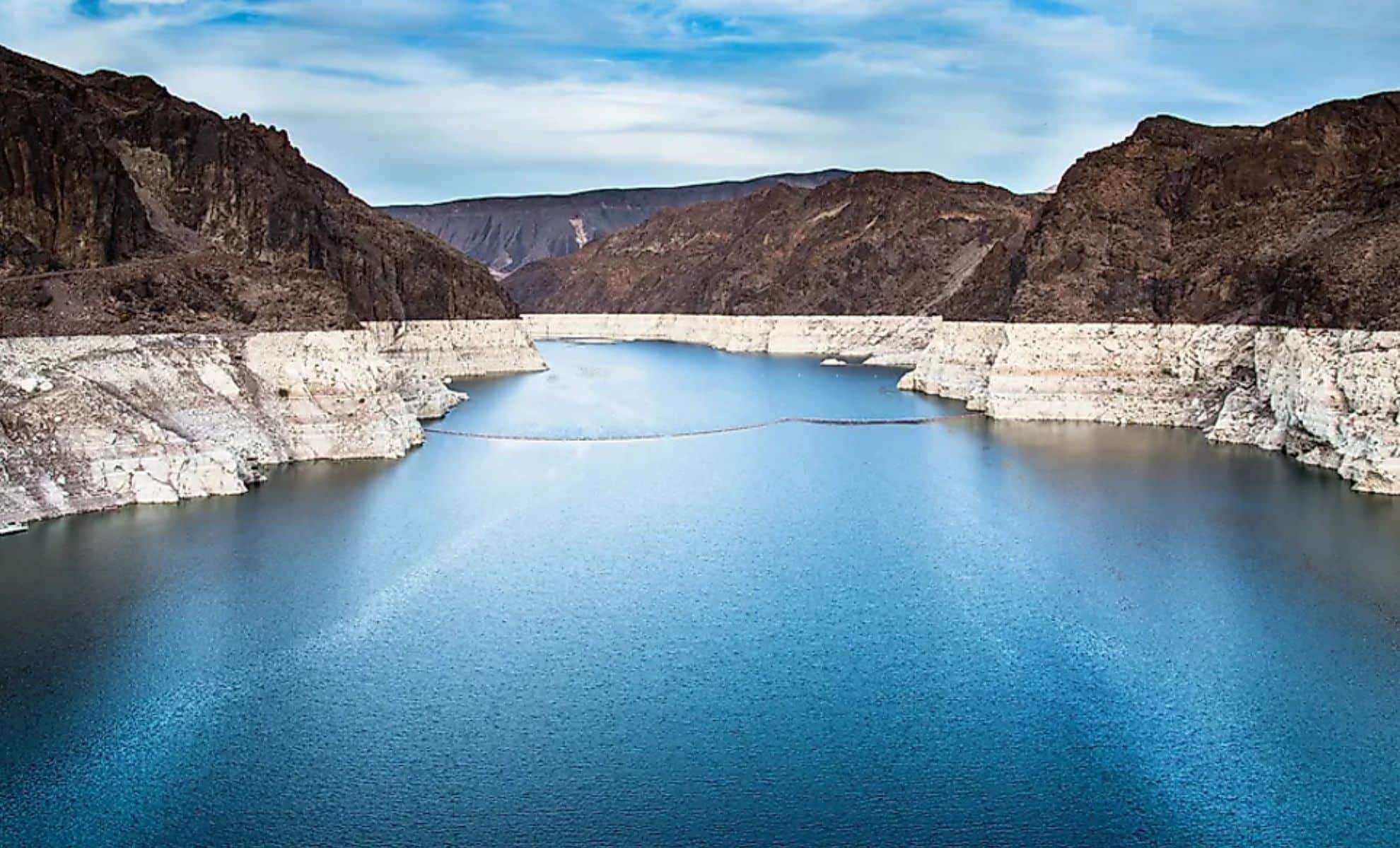
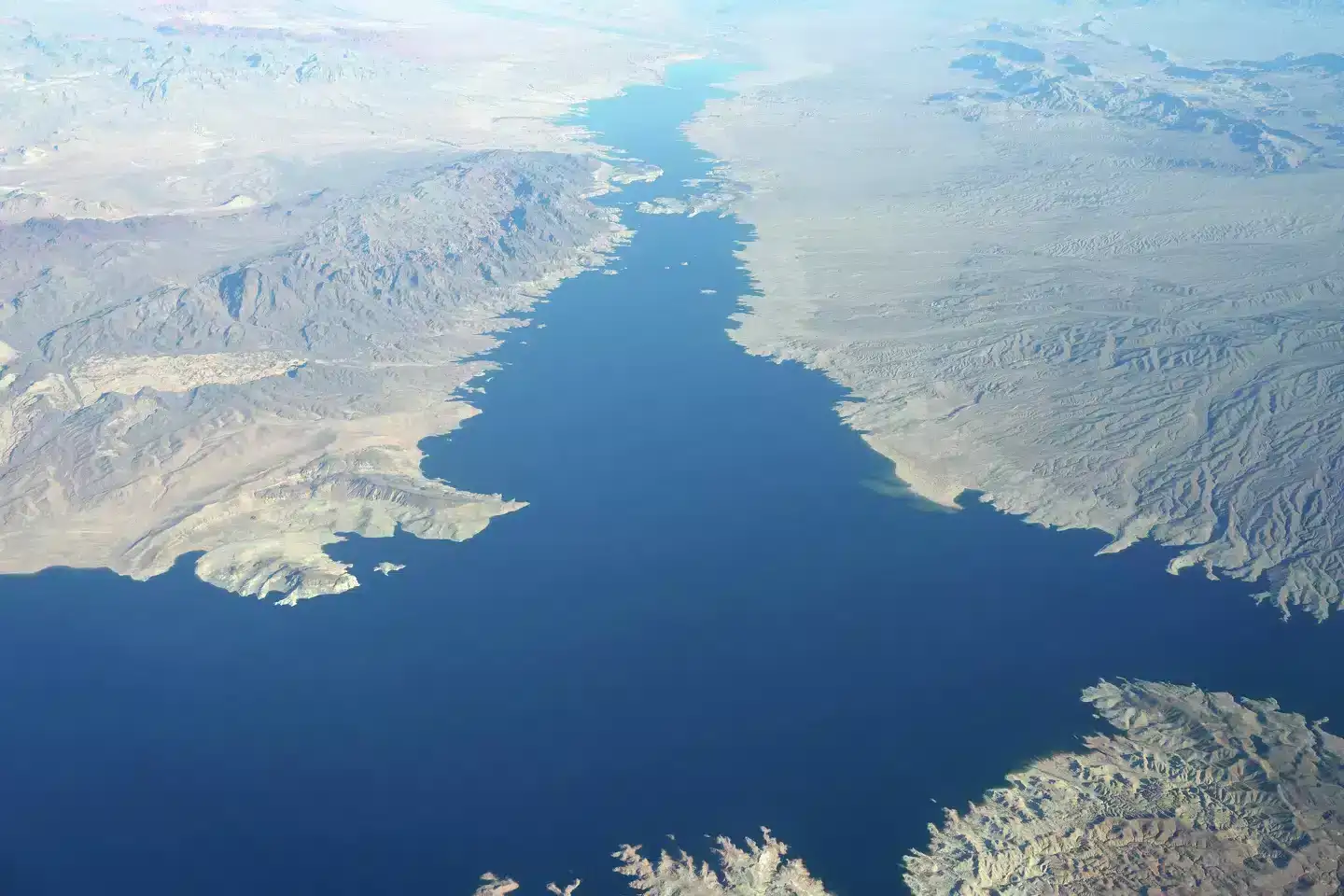
Lake Mead, the largest reservoir in the United States, is experiencing a notable resurgence, largely due to dedicated water-saving initiatives in California. Once edging dangerously close to catastrophic depletion or "dead pool" levels, its water volume has increased significantly. Recently, the Colorado River Board of California reported a 16-foot rise in lake levels, a pivotal outcome following two years of voluntary conservation efforts aimed at safeguarding this essential resource. This recovery marks a vital achievement amid ongoing water scarcity challenges in the southwestern region.
California’s Crucial Contribution to Water Preservation
The future of Lake Mead has long depended on how California manages its share of Colorado River water, especially within the Imperial Valley. This agricultural hotspot holds some of the most senior water rights linked to the river and has historically been the largest water consumer in the state. As severe droughts continue impacting the western United States, scrutiny over water use in the Imperial Valley has intensified. In 2022, California pledged to cut back on its water usage to aid Lake Mead's rebound. These voluntary reductions have conserved more than 1.2 million acre-feet of water so far, steering California toward its goal of saving 1.6 million acre-feet by 2026.
JB Hamby, chairman of the Colorado River Board of California, highlighted the importance of these achievements: “In two years, Californians have reduced our water consumption to levels not seen since the 1940s, even as we support half the basin’s population and a significant portion of its agriculture. The responsibility to protect this river lies with every user and region within the basin.”

Strategies Steering Toward Sustainable Water Use
The approach to conserving water includes incentivizing farmers to reduce irrigation and promoting residential initiatives like replacing water-intensive lawns. These methods have successfully helped boost Lake Mead's water reserves and provided relief to other areas dependent on the Colorado River. For example, the Coachella Valley Water District has cut back on its reliance on river water for recharging local groundwater supplies. By lessening demand overall, these coordinated measures bring stability to both the Upper and Lower Colorado River Basins.
Additionally, these conservation efforts, supported by careful reservoir management, have lowered the volume of water required to be released from Lake Powell. This balanced water management is essential for addressing the Colorado River’s chronic overuse.
Collaborative Agreements Strengthen Conservation Goals
Besides voluntary steps, California has entered formal pacts with the U.S. Bureau of Reclamation, Southern California water authorities, and tribal organizations to secure the objective of conserving 1.6 million acre-feet by 2026. Signed during 2023 and 2024, these agreements are critical for preventing Lake Mead from plunging into dangerously low levels.
Nevertheless, uncertainty remains regarding the river’s future. As the Colorado River basin states and federal agencies prepare to enact updated management policies in 2026, the outcomes will determine future water allocations, underscoring the high stakes involved.
Environmental Trade-offs and New Challenges
While Lake Mead’s recovery is encouraging, it has not been without negative consequences. California’s reduced water consumption has unintentionally accelerated the shrinkage of the Salton Sea, located about 300 miles from Lake Mead. This lake depends largely on agricultural runoff, which has fallen as water use in the Imperial Valley declines.
Concerns have been raised by environmental and community advocates about exposed playa—dry lakebed areas along the Salton Sea’s shoreline. These areas emit dust containing harmful particles, posing health risks to nearby residents. Balancing water conservation with environmental and public health needs presents a complex challenge crucial for sustainable regional management.
The Way Forward: Unified Efforts for Water Security
The recent improvements at Lake Mead underscore California’s pivotal role in stabilizing the Colorado River. Yet, as JB Hamby notes, this is only one milestone in a broader journey. Ensuring the Colorado River’s vitality will require persistent collaboration among all stakeholders, including states, communities, agricultural sectors, and indigenous groups.
Despite formidable challenges ahead, the progress at Lake Mead offers a hopeful glimpse into the future. As the seven basin states strive to finalize a new cooperative agreement by August 2026, success will hinge on shared responsibility and innovative water policies to address the region’s pressing water issues.
- Categories:
- News











0 comments
Sign in to Comment