
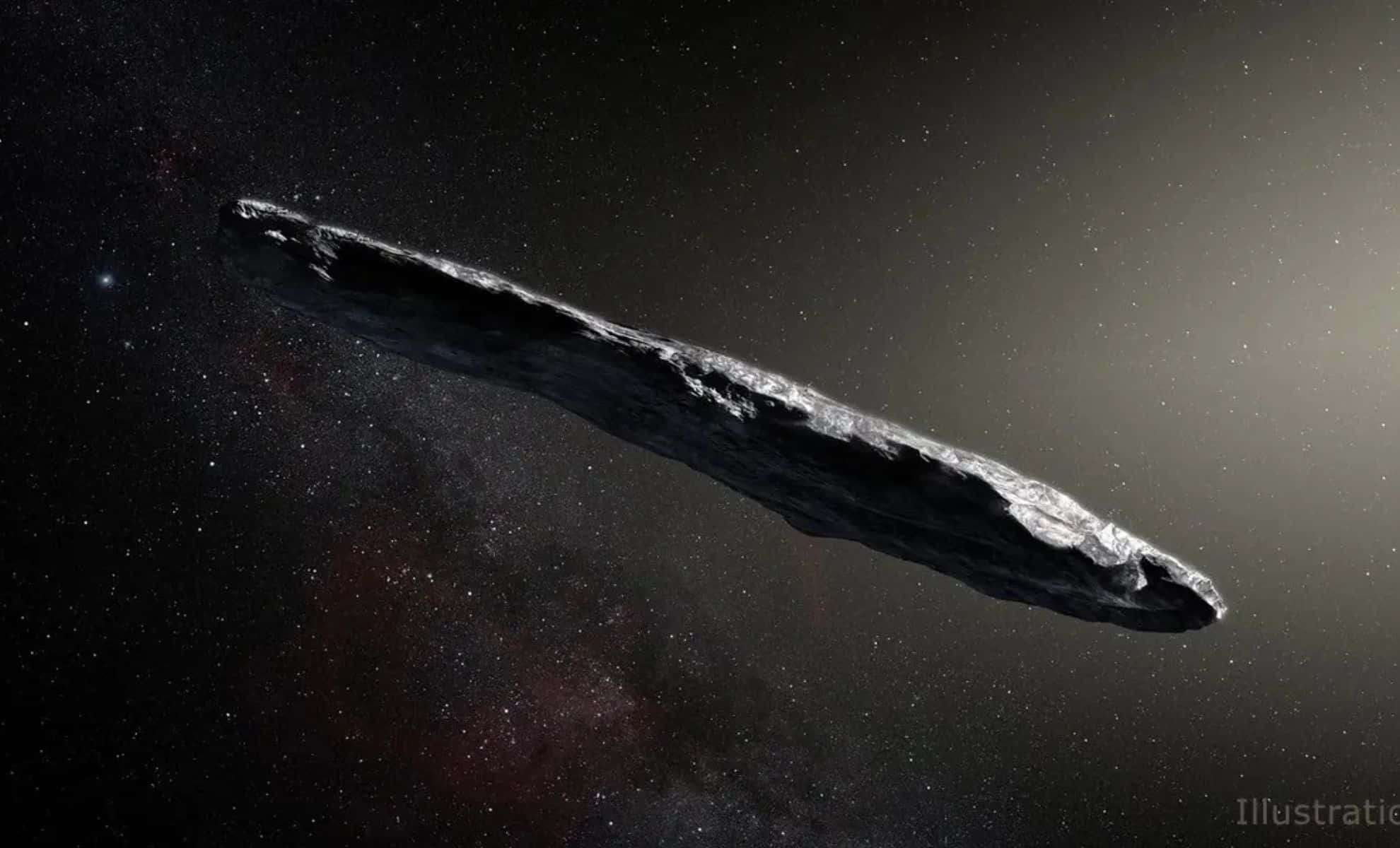
NASA scientists have uncovered a fascinating new category of space objects known as “dark comets”, and recent research has doubled the known number of these enigmatic bodies. While these objects share similarities with traditional comets in their interaction with the space environment, they resemble asteroids when observed visually. Their distinct features and unusual orbital paths have baffled astronomers since their initial detection less than two years ago.
A newly released study in the Proceedings of the National Academy of Sciences on December 9, 2024, reports the identification of seven additional dark comets, increasing the total catalog to 14. This breakthrough not only expands the inventory but also poses new mysteries for the astronomical community.
Defining Dark Comets
Dark comets are hybrid celestial entities that exhibit traits of both comets and asteroids. Unlike typical comets, they lack the visible dust and gas tails but share a key cometary behavior: their orbits shift due to the release of volatile gases from their surfaces. This phenomenon, known as “non-gravitational acceleration,” causes slight deflections in their paths, a hallmark of comet activity.

The first identified dark comet, known as 2003 RM, was spotted in 2022 displaying unexpected orbital changes. Davide Farnocchia of NASA’s Jet Propulsion Laboratory explains, “Such movement usually indicates comet-like outgassing thrust, but for 2003 RM, the usual visual comet indicators were missing.” This perplexing observation left scientists with an intriguing, but unresolved, puzzle.
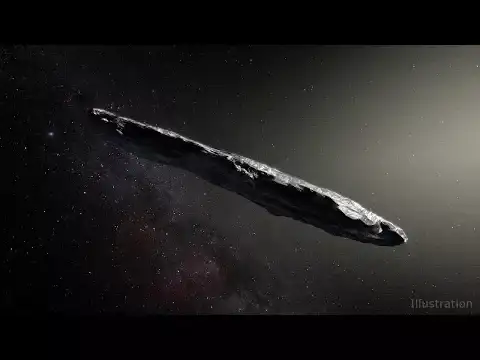
The intrigue heightened in 2017 with the discovery of ‘Oumuamua, the solar system’s first observed interstellar visitor. Similar to 2003 RM, it exhibited unusual acceleration, thrusting the concept of dark comets into the spotlight and prompting the detection of additional members of this group.
Two Distinct Dark Comet Groups
Recent discoveries have led researchers to categorize dark comets into two distinct families: outer dark comets and inner dark comets.
- Outer Dark Comets are relatively large, often spanning hundreds of meters, following elongated elliptical orbits that extend far into the outer reaches of our solar system, resembling the dynamic of Jupiter-family comets.
- Inner Dark Comets tend to be smaller, generally tens of meters or less, orbiting closer to the sun in paths that are nearly circular, mirroring the orbits of terrestrial planets like Earth and Mars.
Darryl Seligman, a postdoctoral researcher at Michigan State University and lead author of the study, notes, “With enough data, we began distinguishing dark comets based on their reflective properties and orbital patterns, revealing two clear categories within our solar system.”
This division offers fresh perspectives about their origins and how they relate to other known celestial phenomena.
Origin and Significance of Dark Comets
Although categorizing dark comets marks progress, fundamental questions endure, particularly regarding their source. Do these objects trace back to the solar system’s formation billions of years ago, or might they come from beyond our solar neighborhood? Seligman suggests, “They could represent a novel mechanism by which vital materials necessary for Earth’s biological beginnings were delivered.”
The investigation also prompts curiosity about their composition: might dark comets harbor water or organic elements crucial for life’s emergence? Can they shed light on how life-supporting molecules reached our planet?
As ongoing observations and studies continue, dark comets promise to reveal more about these mysterious objects, presenting an exciting frontier in solar system research.
- Categories:
- News







0 comments
Sign in to Comment