
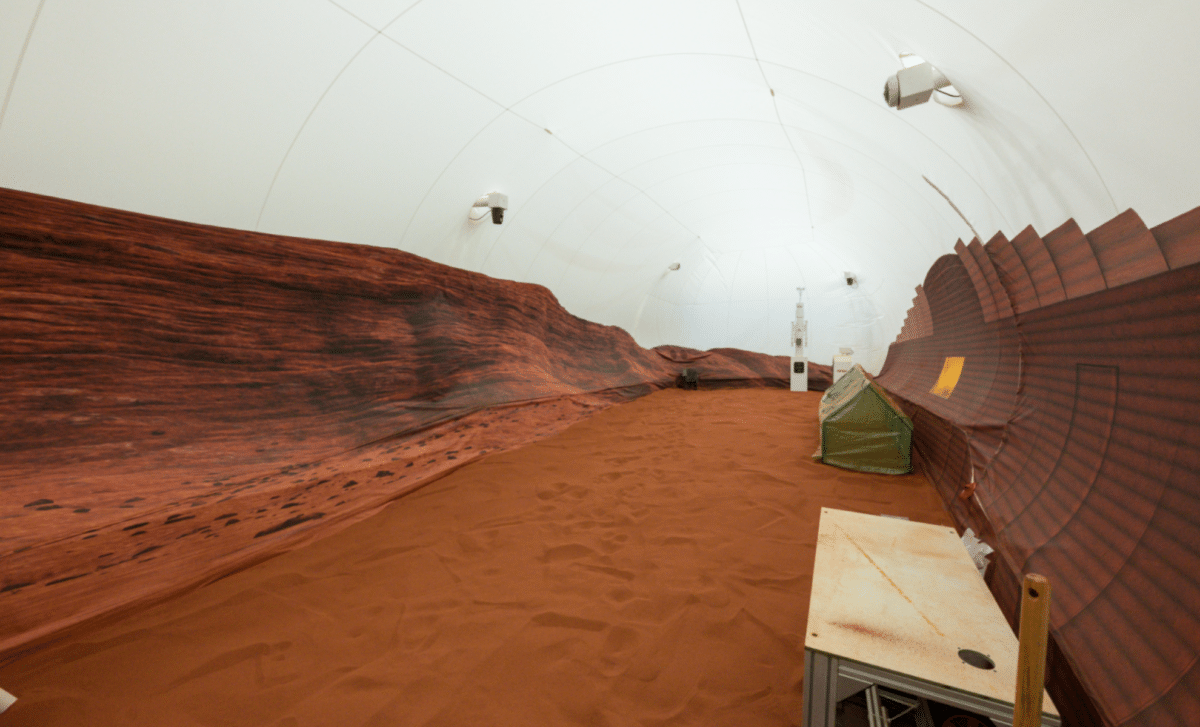
The CHAPEA mission by NASA, aimed at replicating the intense challenges of extended Mars exploration, has achieved a major milestone of 200 days inside their enclosed habitat. As four astronauts pursue their full 378-day trial, the insights gained promise to reshape approaches to upcoming space journeys, especially those targeting the Moon and Mars. This experiment, featuring confinement, scarce resources, and delayed communication, reveals crucial aspects of human endurance necessary for living beyond Earth.
Achieving 200 Days of Isolation: NASA’s Mars Simulation Hits a Significant Point
CHAPEA, NASA’s Crew Health and Performance Exploration Analog, has now reached the midpoint of its 378-day study. Within a 1,700-square-foot habitat at Johnson Space Center in Houston, the crew experiences conditions mimicking a real Mars mission. On May 7, they marked 200 days and entered a two-week communication blackout phase, modeling delays astronauts would face when Mars is blocked by the Sun.
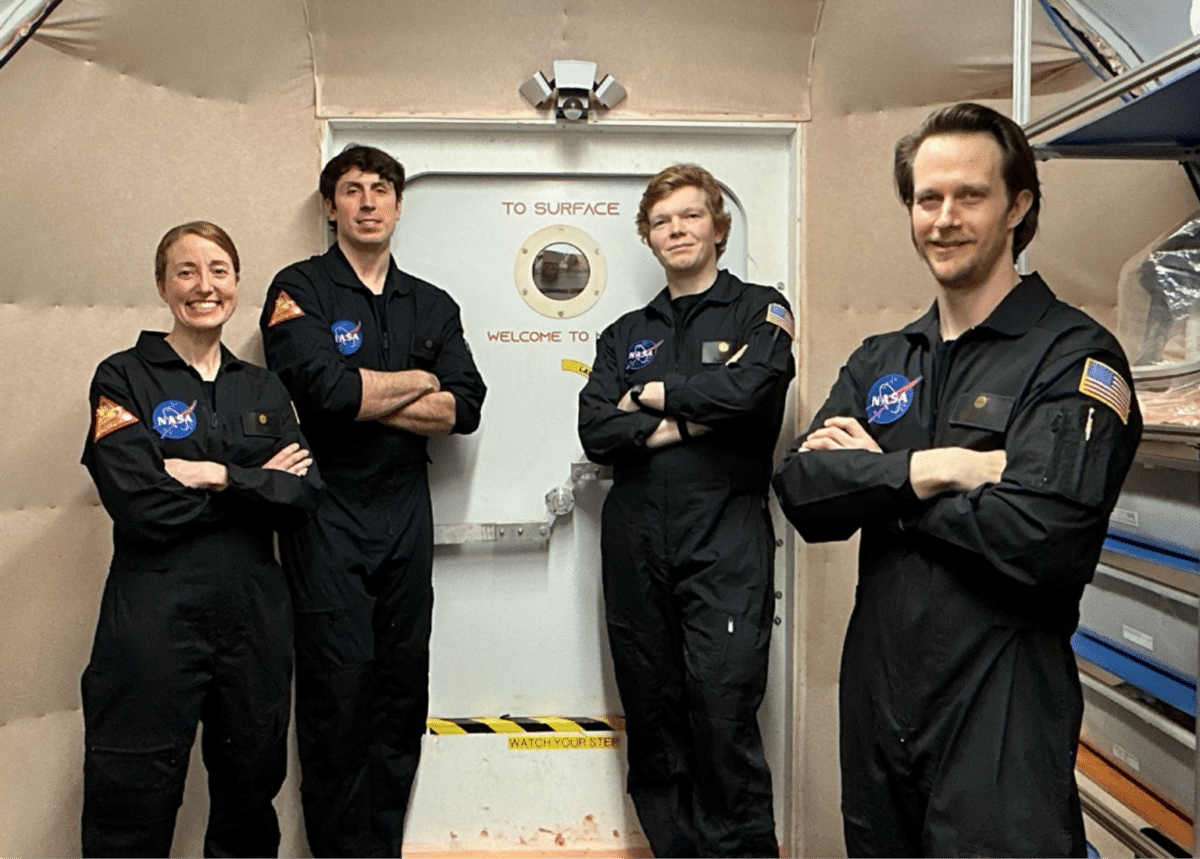
The mission focuses not only on enduring isolation but also thriving in it. Commanded by Ross Elder, with Ellen Ellis as medical officer, Matthew Montgomery as science officer, and James Spicer as flight engineer, the team performs diverse tasks resembling actual Mars activities such as geology, medical procedures, exercise, and crop cultivation.

Overcoming Resource Constraints
Key takeaways from CHAPEA include how astronauts manage with restricted resources. From working without internet to addressing simulated gear failures, the crew consistently pushes boundaries by innovating with limited supplies.
“Having limited resources, be it tools, equipment, software, supplies, or no internet, really bounds what you have to solve problems,” said Montgomery. “Finding creative and clever solutions has been both challenging and rewarding.”
Developing such problem-solving skills is essential when resupply opportunities are rare and communication delays frequent in deep space.
NASA closely tracks the crew’s responses to these pressures to better design future missions that prepare astronauts to meet both mental and physical obstacles without immediate support.
Human Performance: Tackling Stress and Isolation
An integral part of the CHAPEA project is analyzing the impact of prolonged isolation on human performance. The extended timeframe allows researchers to study cognitive and physical health changes as crew members adapt to their confined space. This data provides vital understanding of psychological stressors expected on genuine Mars trips.
“I’m proud of the crew’s accomplishments over the past 200 days—facing each challenge with fortitude and finding new ways to improve our performance and efficiency daily,” said Ellis.
The crew’s effective coping skills and resilience are vital for handling real-life difficulties in deep space environments.
Additionally, the study monitors team dynamics, decision-making skills, and morale maintenance under pressure. These findings will be essential for constructing systems that support astronauts’ well-being on extended journeys.
The Value of Simulated Missions in Mars Preparedness
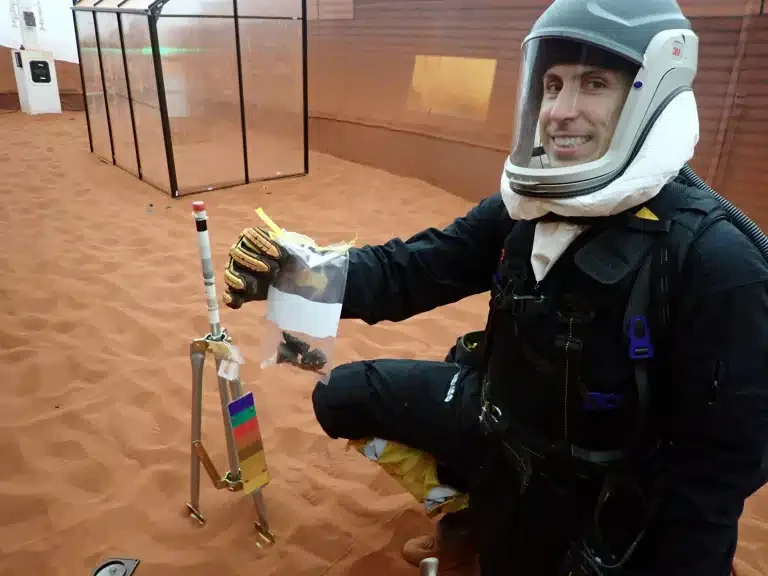
NASA’s CHAPEA mission acts as a vital experimental platform for Mars exploration preparation. Each simulated EVA, maintenance procedure, and agricultural test conducted provides crucial insights that could influence future habitat designs, mission frameworks, and technology development.
“We approach every day committed to doing our best work, whether we’re doing a simulated spacewalk, geology, exercise, a medical activity, or anything in between,” said Spicer. “What keeps us motivated is knowing that we’re contributing directly to NASA’s deep space exploration objectives.”
Their persistent pursuit of excellence under tough conditions highlights the determination needed for humanity to journey into new frontiers.
CHAPEA’s Influence on Lunar and Martian Ventures
Findings emerging from CHAPEA are pivotal not only for Mars missions but also for preparing sustainable lunar operations. Sara Whiting, NASA’s Human Research Program scientist and mission overseer, stated,
“Extended-duration missions are relatively rare in NASA’s history to date. The operational lessons learned, along with the detailed health and performance data this crew is providing, come at the perfect time to inform the development of a sustainable lunar presence and longer-term objectives for crewed Mars missions.”
This information will help NASA fine-tune strategies to ensure astronauts not just survive but flourish on Mars and the Moon, despite the challenges of vast isolation. Emphasizing both mental and physical health will be key to realizing sustained human habitation on other worlds.
- Categories:
- Nasa






0 comments
Sign in to Comment