
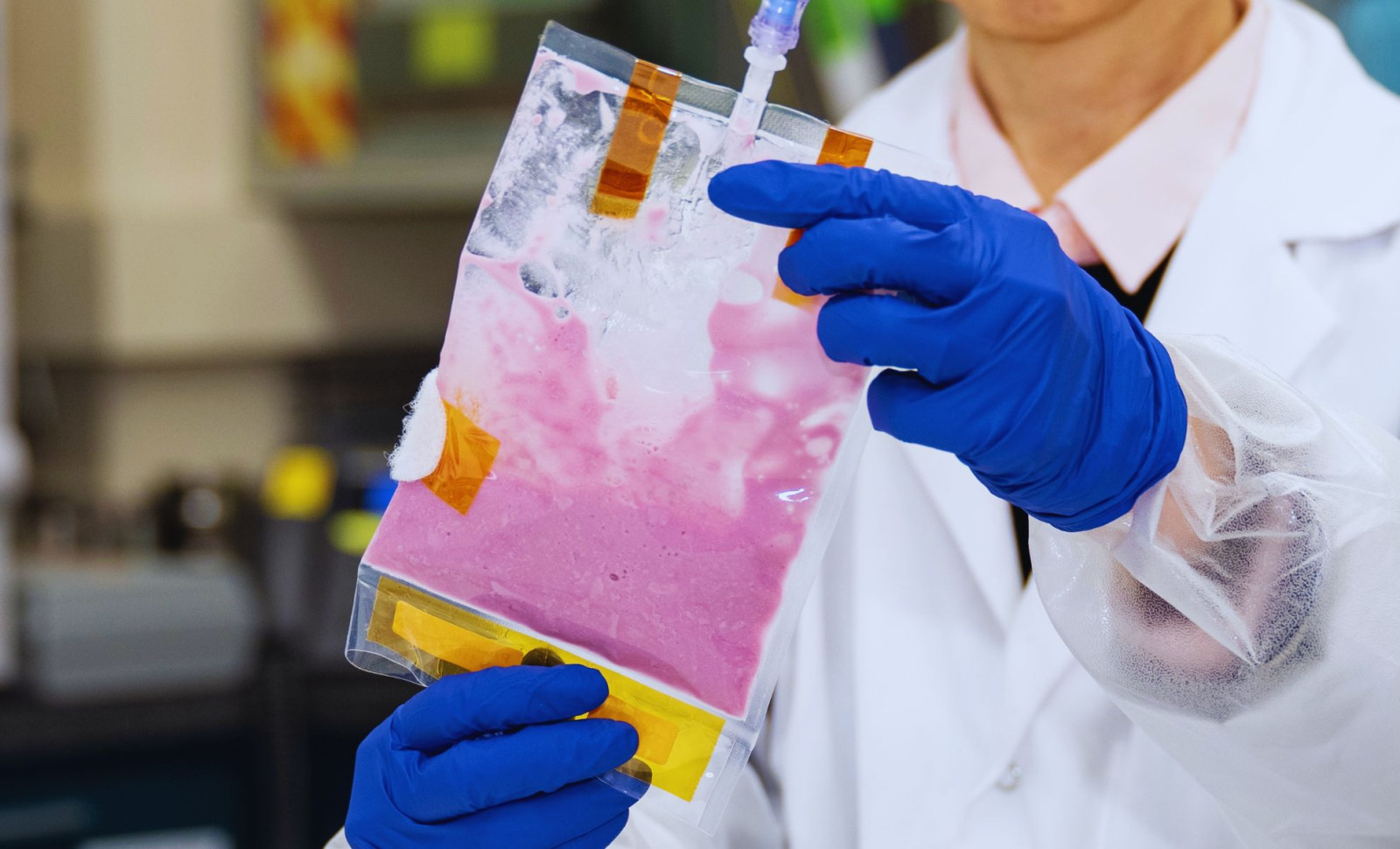
NASA’s BioNutrients-3 initiative is pioneering a novel approach to space nutrition by studying fermented foods created through microbial activity aboard the International Space Station (ISS). This research aims to develop nutrient-dense foods that astronauts can produce on-site during extended space journeys to destinations like the Moon and Mars.
As space missions become longer and venture farther, ensuring reliable access to nutritious, sustainable food remains a critical challenge. Many essential vitamins are difficult to store or transport across multi-year voyages, prompting NASA to investigate in-situ production of these nutrients in microgravity environments.
Microbial Fermentation: A New Frontier for Space Diets
Fermented foods, such as yogurt, rely on beneficial bacteria to develop their nutritional qualities—making them a perfect analog for this experiment. NASA explains that BioNutrients-3 replicates Earth-based fermentation techniques with the goal of producing critical nutrients for crew members during spaceflight.

This includes important vitamins and dietary elements that help maintain health throughout long-duration space missions. Demonstrating that these microbial processes function effectively in orbit is vital, as on-demand nutrient generation would reduce dependence on Earth-supplied provisions.
By leveraging fermentation, NASA hopes to overcome the logistical challenges of transporting fresh nutrients, paving the way for more autonomous missions by minimizing the need for resupply flights from Earth.
Sample Analysis Back on Earth
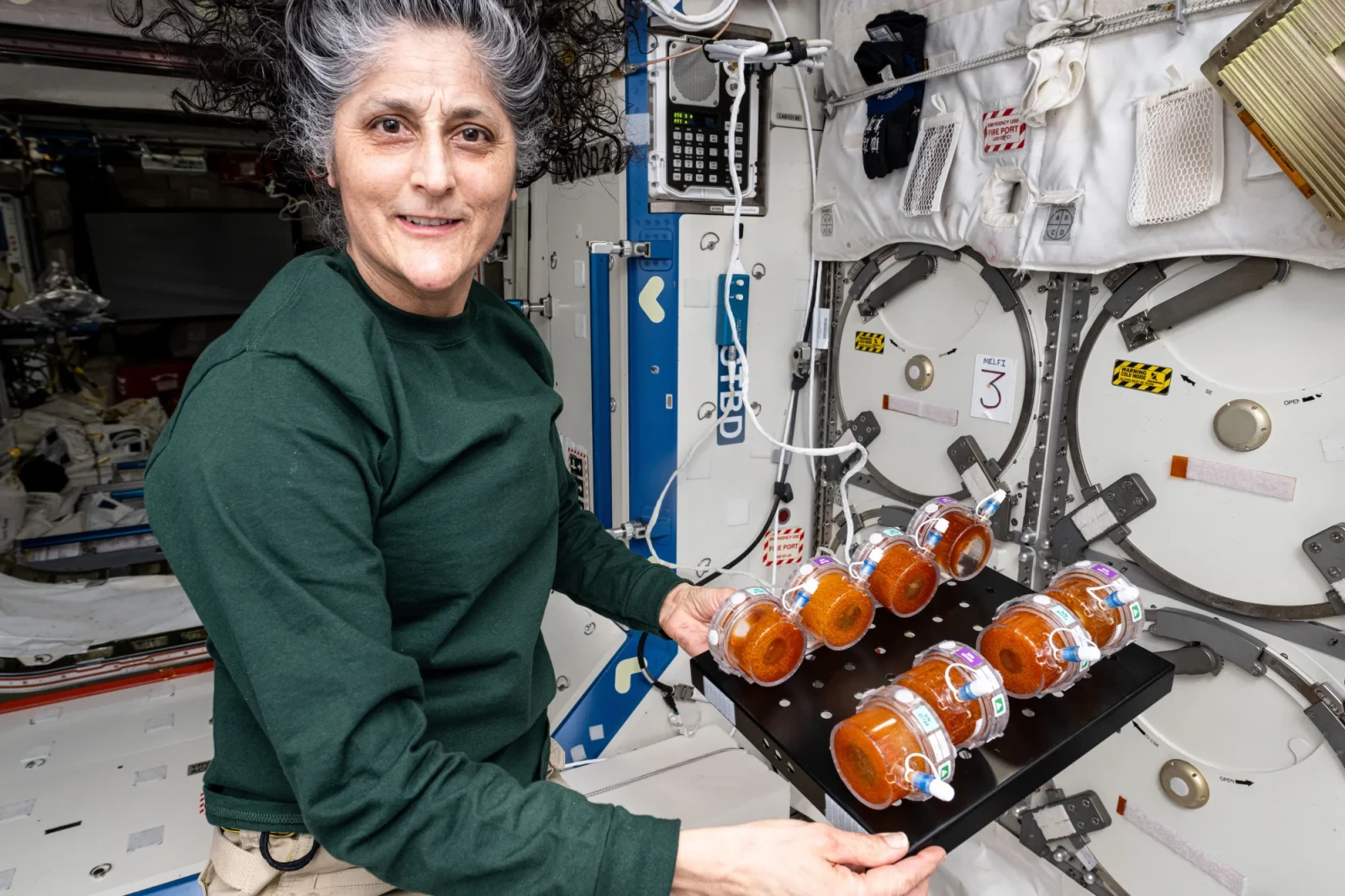
Once completed, the BioNutrients-3 samples will be returned to Earth and evaluated at NASA’s Ames Research Center in Silicon Valley. These samples will travel home aboard SpaceX’s Dragon capsule, scheduled to depart the ISS on February 26, 2026, during the 33rd commercial resupply mission for NASA. As the agency notes:
“The results from this study can help NASA develop methods to produce vital nutrients that could support human deep space exploration as part of NASA’s Artemis campaign.”
These findings are crucial beyond food science — being able to manufacture nutrients in space will be essential for missions lasting months or years. Achieving onboard production capabilities tackles a major hurdle by diminishing the need for heavy resupply logistics from Earth.
A human crew bound for Mars must rely on self-sufficiency, and BioNutrients-3 represents a vital step forward in demonstrating this is achievable.
Synthetic Biology’s Role in Revolutionizing Space Travel
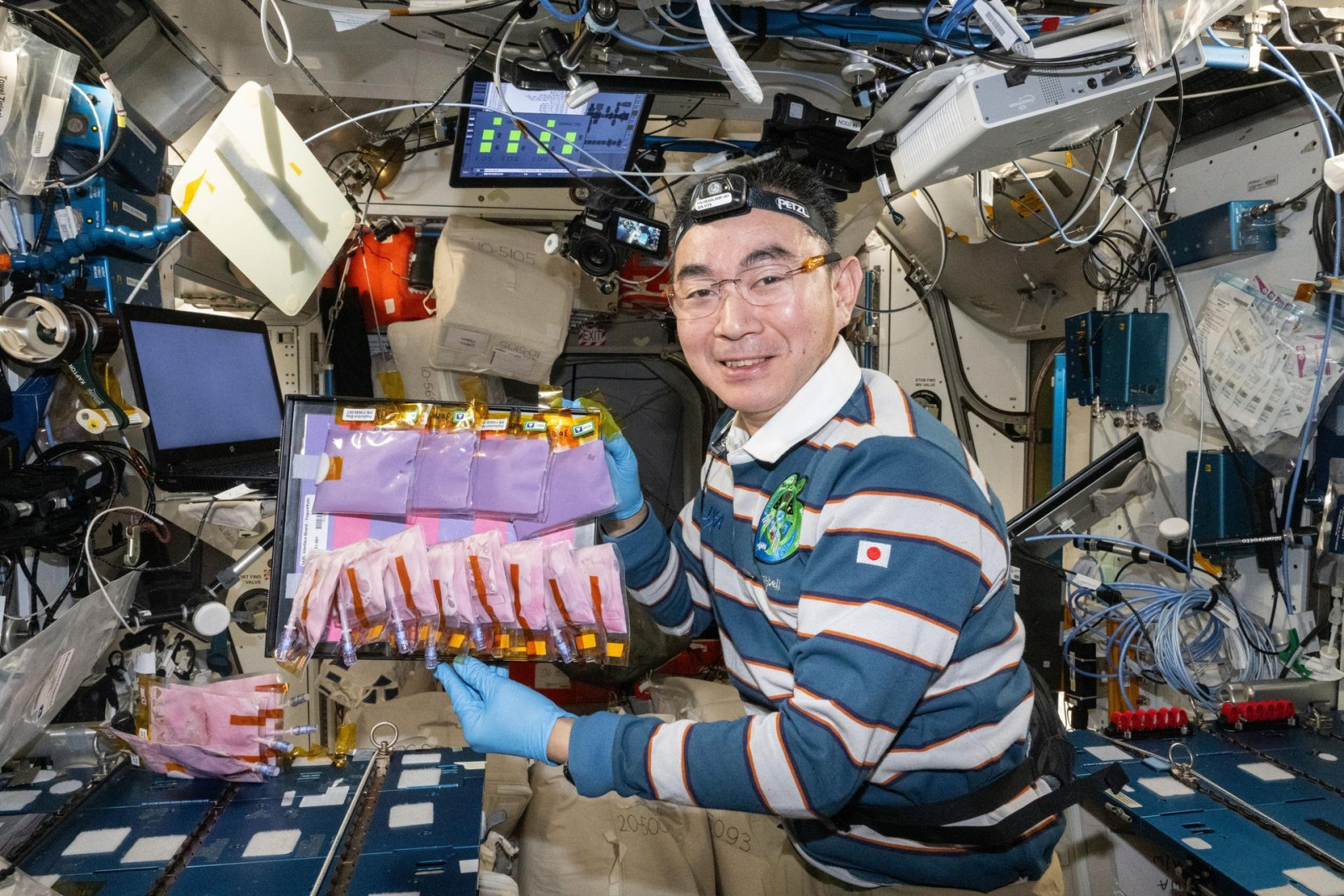
BioNutrients-3 forms part of NASA's broader Synthetic Biology initiative supported by its Game Changing Development program. This cutting-edge field focuses on redesigning living organisms to fulfill specific purposes, in this case creating nutrients tailored for spacefarers.
The overarching ambition behind the Synthetic Biology project is to pioneer innovative techniques to generate food, medicines, and other critical supplies that will enable longer, safer human space exploration.
- Categories:
- Nasa








0 comments
Sign in to Comment