
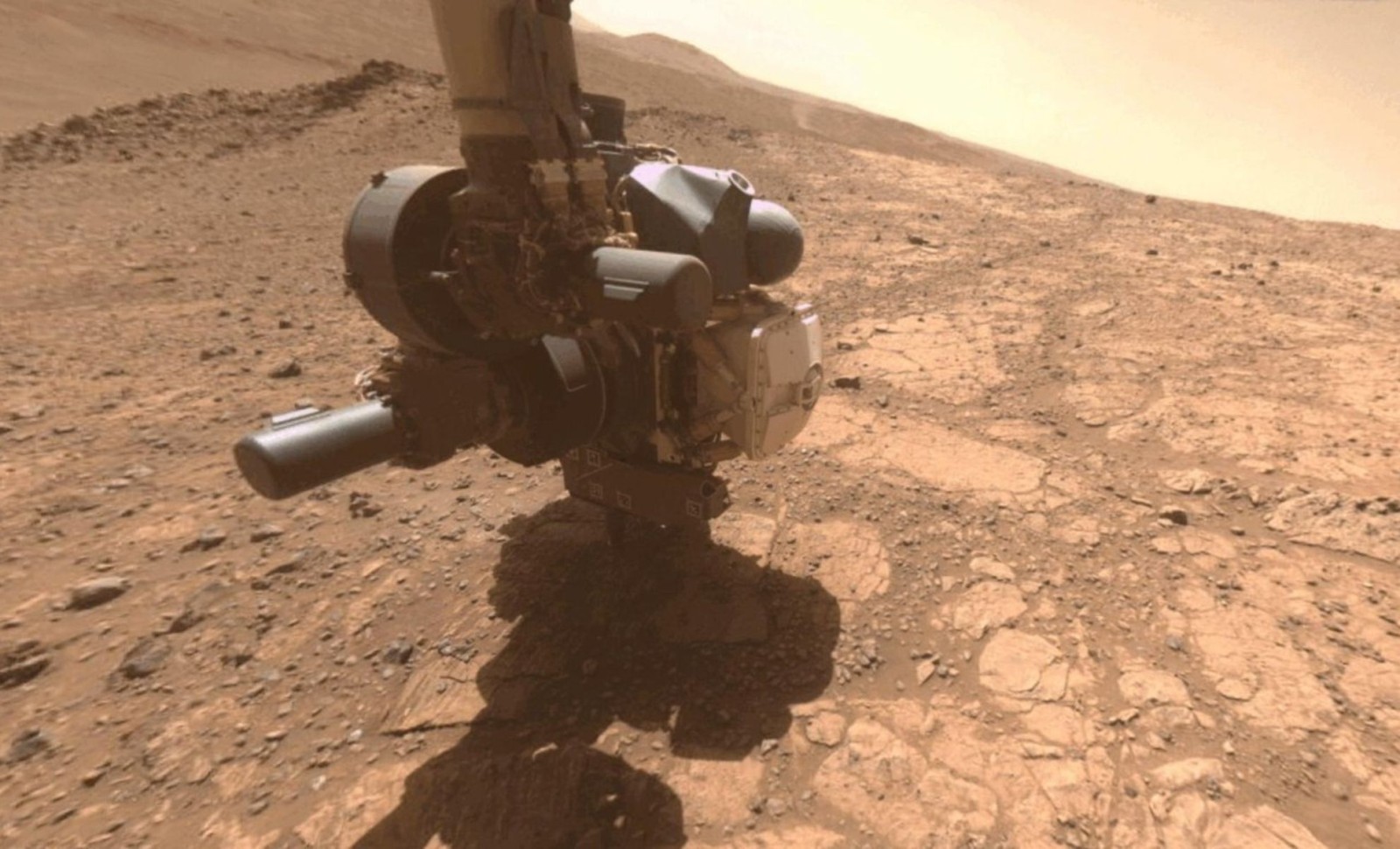
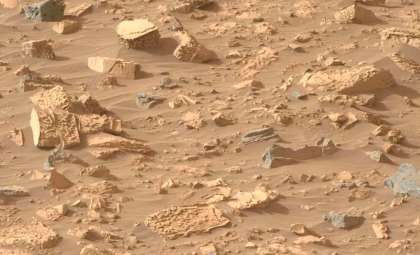
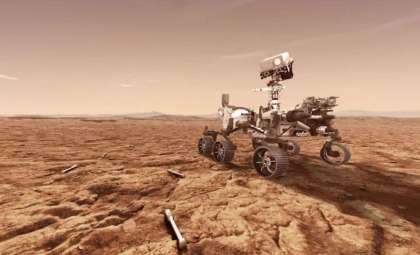
Now celebrating half a decade of operation on Mars, NASA’s Perseverance rover has traversed close to 40 kilometers (about 25 miles) across the Martian terrain. The mission team continues to monitor the rover’s health, anticipating it will maintain its exploration duties in the foreseeable future. Perseverance is currently on course to investigate a new area known as “Lac de Charmes,” which promises to expand our knowledge of the Red Planet.
As a key part of NASA’s Mars 2020 initiative, the rover’s primary goal is to investigate the planet’s historical environment and the possibility it once harbored life. Outfitted with state-of-the-art instruments and self-driving capabilities, Perseverance has successfully navigated the Jezero Crater while independently analyzing its surroundings, paving the way for extended missions on Mars.
Engineered for Extended Exploration
Perseverance was purpose-built for durability, and the engineers at NASA’s Jet Propulsion Laboratory (JPL) have conducted thorough examinations to verify its resilience against Mars’ extreme environment. JPL reports that the rover’s wheels and braking components have been rigorously tested, demonstrating effective operation for an additional 60 kilometers (37 miles) or more.

These evaluations are vital to confirm Perseverance can carry out its mission without major interruptions, with operations expected to continue through 2031 at minimum. The rover’s robustness is especially notable given Mars’ unforgiving conditions. Steve Lee, the deputy project manager of Perseverance, emphasized that:
“These tests show the rover is in excellent shape. All the systems are fully capable of supporting a very long-term mission to extensively explore this fascinating region of Mars.”
Ongoing assessments of different rover systems continue to reinforce NASA’s confidence in Perseverance’s capability to navigate and study Mars for many more years.
Autonomous Navigation: A Key to Perseverance’s Achievements
A standout feature of Perseverance is its sophisticated self-driving technology. According to NASA, autonomous driving has powered more than 90% of the rover’s journey, enabling it to determine paths in real-time without waiting for human commands. This is facilitated by the Enhanced Autonomous Navigation (ENav) system, which utilizes cameras to scan the landscape ahead and identify hazards like rocks or loose sand, reaching as far as 15 meters (50 feet) in front.
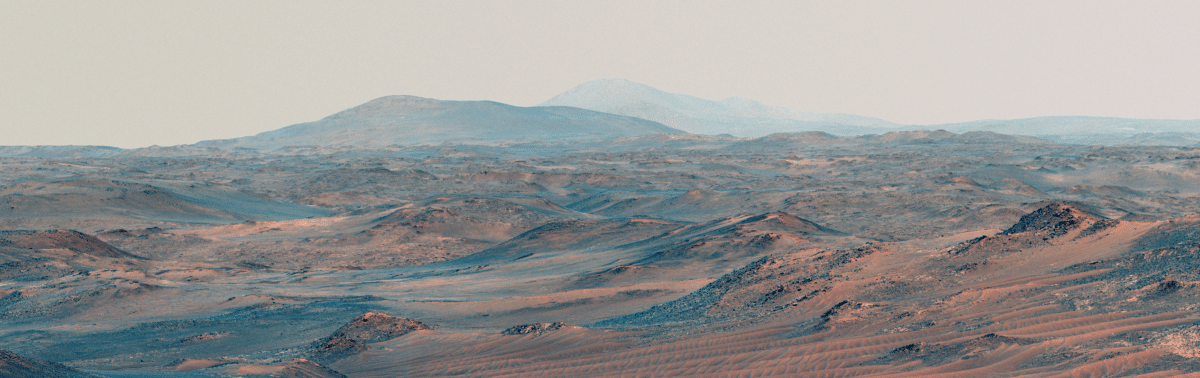
Hiro Ono, a JPL scientist, explained that the ENav software’s powerful algorithms allow quick responses to unforeseen obstacles and selection of optimal paths forward. Unlike earlier rovers requiring remote guidance for route correction, Perseverance maneuvers largely on its own, a vital capability for future missions beyond Earth.
“As humans go to the Moon and even Mars in the future, long-range autonomous driving will become more critical to exploring these worlds.”
Exploring Beyond Jezero Crater
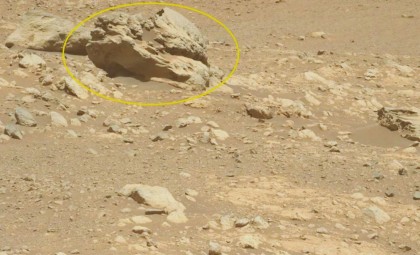
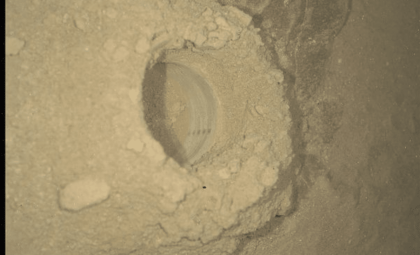
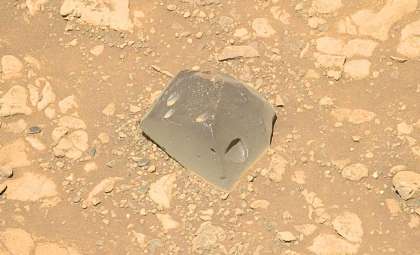
The heart of Perseverance’s mission lies in studying Jezero Crater, an ancient water basin that may reveal vital information about Mars’ capacity to have supported life. Among its notable findings is a sample from a rock dubbed “Cheyava Falls,” which could contain traces of past microbial organisms.
“The rover collected three samples from that region. Scientists think these samples may be particularly useful for showing how ancient rocks from Mars’ deep interior interacted with water and the atmosphere, helping create conditions supportive for life.”
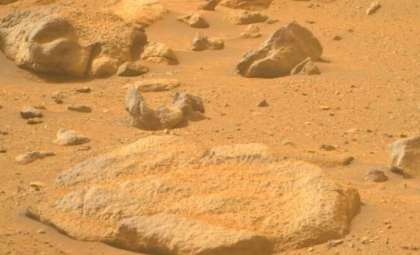
Research published in Science highlights how Perseverance has examined olivine-containing rocks, a mineral originating from planetary interiors. These studies shed light on historical interactions between Mars’ atmosphere, water, and subsurface, potentially unveiling how hospitable environments may have formed billions of years ago.
- Categories:
- Space





0 comments
Sign in to Comment