
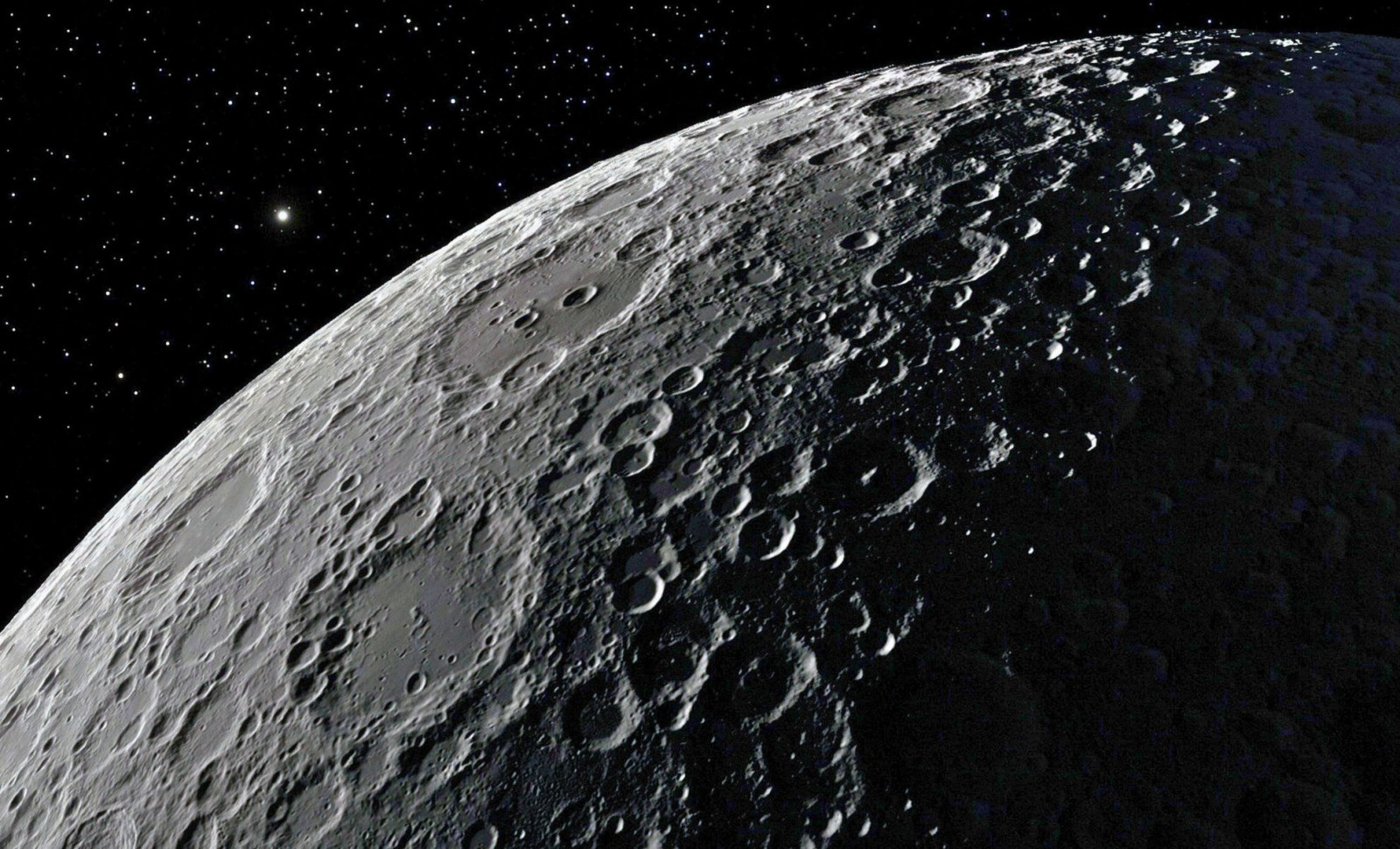
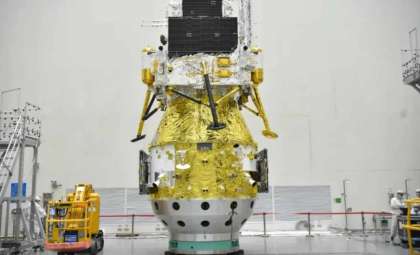
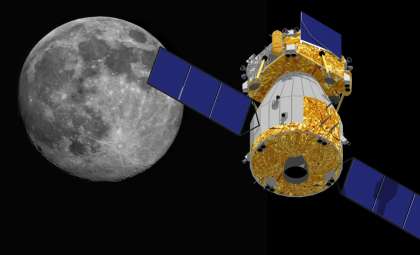
Rocks collected by China’s Chang’e-6 probe from the Moon reveal the first definitive signs of hematite and maghemite crystals produced by asteroid impacts. This groundbreaking finding, featured in the November 14 issue of Science Advances, challenges existing assumptions about how oxidation occurs on the Moon’s atmosphere-free surface.
The crystalline iron oxides were identified in samples from the South Pole–Aitken (SPA) Basin, one of the largest and most ancient impact basins on the Moon. Research teams from the Institute of Geochemistry at the Chinese Academy of Sciences and Shandong University employed advanced microscopy and spectroscopy to confirm these minerals’ lunar origin.
Previously, the Moon was thought to have very limited oxidation processes due to its lack of atmosphere and scarce oxygen. However, this study provides direct evidence that under certain conditions, highly oxidized minerals can form on the lunar surface.

Exploring the Moon’s Primeval Terrain
The SPA Basin, the landing site of the Chang’e-6 mission, is a vast, ancient crater on the Moon’s far side created by a colossal impact billions of years ago. In the study, scientists applied electron microscopy, electron energy loss spectroscopy, and Raman spectroscopy to analyze the rock samples. Though the iron oxide crystals measured only microns in size, their morphology clearly indicates they formed natively on the Moon, ruling out terrestrial contamination.
This represents the first documented discovery of crystalline hematite and maghemite in material brought back from the lunar surface, with their distinctive properties indicating formation through violent lunar events.
Asteroid Impacts Trigger Oxygen-Rich Conditions for Oxidation
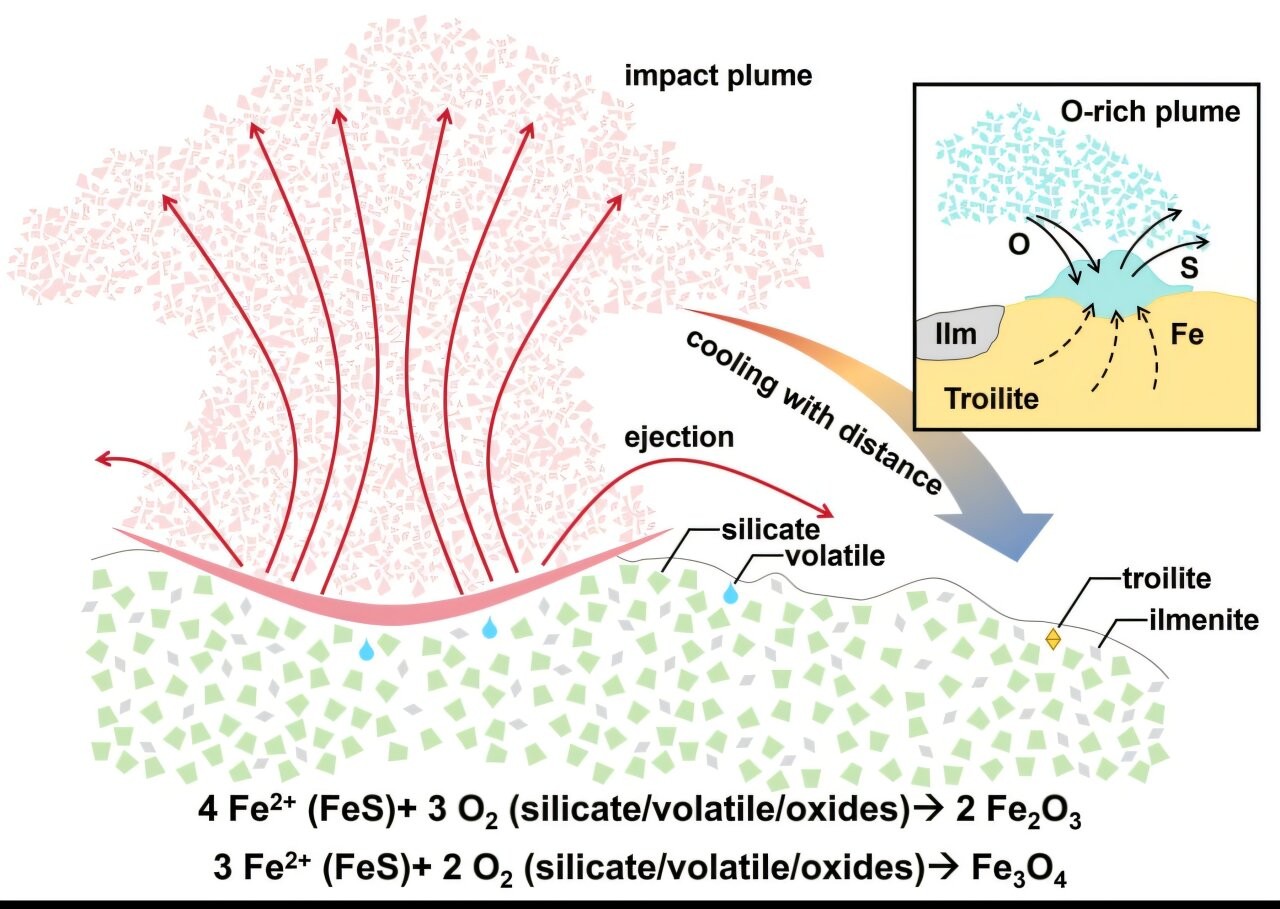
The researchers propose that these minerals formed when large asteroid collisions unleashed intense heat, vaporizing surface materials instantaneously. This created a fleeting oxygen-rich vapor environment sufficient to oxidize iron-bearing minerals. As reported by Phys.org:
“The extreme temperatures generated by large impacts would have vaporized surface materials, creating a transient high-oxygen-fugacity vapor-phase environment.”
During this brief interval, iron from lunar minerals such as troilite was released, oxidized, and deposited as hematite and maghemite. Magnetite was also found, indicating multiple oxidation states emerging from the same event.
Oxidized Iron Sheds Light on Lunar Magnetic Mysteries
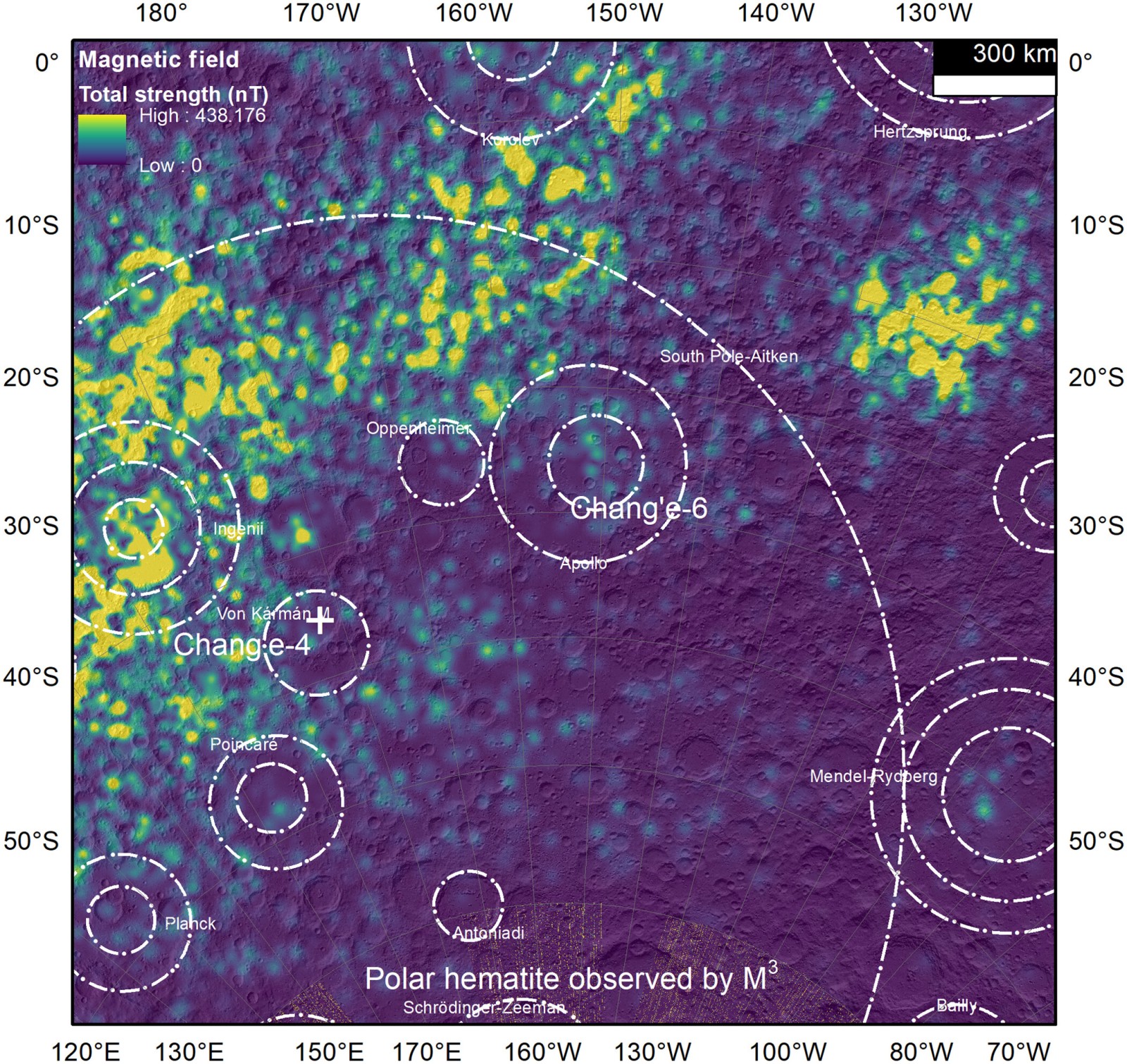
The investigation further suggests a connection between these oxidized iron minerals and the persistent magnetic irregularities detected on the Moon. Locations like the northwestern SPA Basin display enigmatic magnetic fields. Since hematite and maghemite can carry magnetic signals, their generation may explain some of these magnetic anomalies. According to the authors:
The findings provide “key sample-based evidence to clarify the carriers and evolutionary history of these lunar magnetic anomalies.”
Linking oxidation events to ancient asteroid impacts adds fresh insight into the Moon’s geological progression. The direct detection of hematite in lunar samples forms a crucial bridge between remote observations and in situ data.
- Categories:
- Space






0 comments
Sign in to Comment