
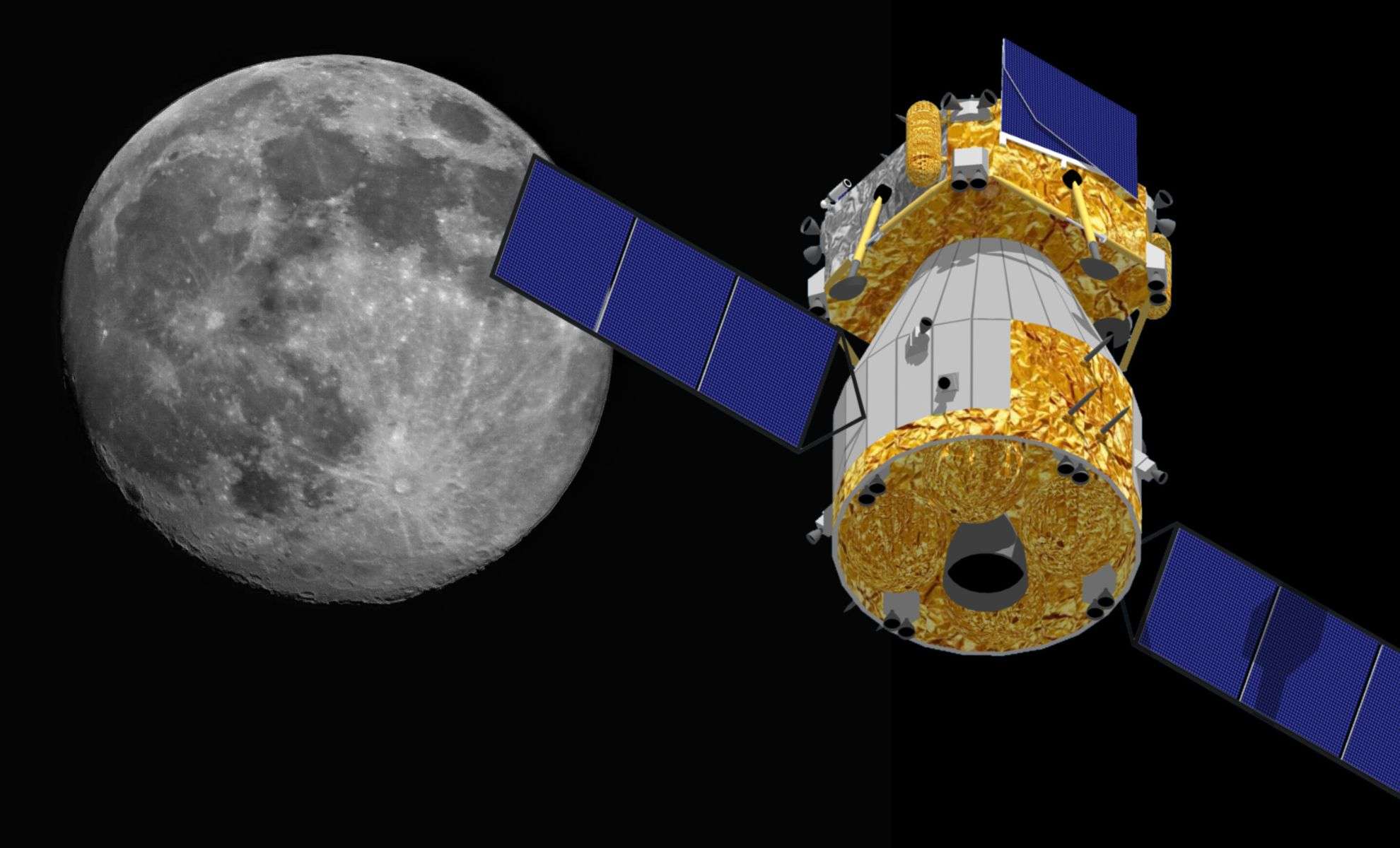
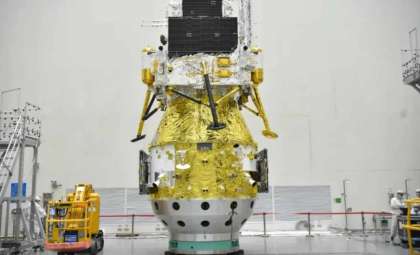
In June 2024, China's Chang’e 6 successfully touched down on the Moon’s far side within the vast and scientifically significant South Pole–Aitken basin (SPA). This massive impact crater is revealing new insights into the Moon’s internal makeup, volcanic history, and rare space material rarely preserved upon reaching Earth.
The mission brought back nearly 2 kilograms of lunar samples, now driving key discoveries that may clarify the geological contrasts between the Moon's near side and its hidden far hemisphere.
Discovery of CI Chondrite Fragments on the Moon
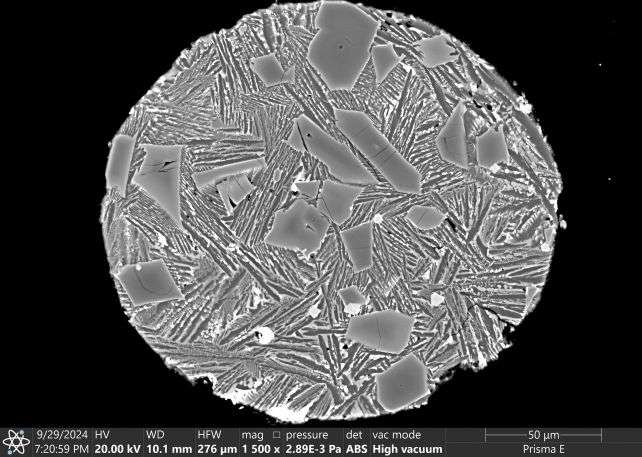
A remarkable revelation arose from analyzing over 5,000 sample fragments collected by Chang’e 6. Researchers led by Jintuan Wang and Zhiming Chen at the Chinese Academy of Sciences identified seven tiny clasts with chemical and isotopic signatures matching Ivuna-type carbonaceous chondrites.

These pristine meteorites are rich in hydrated minerals, containing as much as 20% water, yet their fragile composition rarely withstands atmospheric entry on Earth. The Moon’s lack of atmosphere and its harsh impact environment usually obliterate incoming material. Finding these preserved fragments on the lunar far side provides the first physical evidence of CI chondrites impacting the Moon and leaving microscopic residues behind.
Analysis indicates that CI chondrites may account for up to 30% of lunar meteorite material, and these meteorites are considered key contributors to the delivery of water and volatile compounds during the early stages of Earth’s formation.
Evidence of Two Distinct Volcanic Events on the Lunar Far Side
The collected samples also include ancient basaltic rocks representing two separate volcanic phases. As detailed in a study published by the Proceedings of the National Academy of Sciences, these events occurred approximately 4.2 billion and 2.8 billion years ago. The older basalts likely formed shortly after the SPA impact, integrating crustal elements dragged into the mantle, with elevated aluminum content suggesting a surface-derived origin.
The younger basalts date to a later phase from deeper lunar interior processes, reflecting the Moon’s primordial magma ocean crystallization. This discovery suggests volcanic activity on the Moon’s far side lasted much longer than previously estimated.
Unusual Mantle Composition and Evidence of Ancient Lunar Magnetism
Examination of the volcanic basalts revealed their mantle source is notably depleted in thorium and other heat-producing elements. This deficiency may explain the Moon's far side’s greater crust thickness and scarcity of lava plains compared to its near side.
Unexpectedly, the rocks also exhibited remnants of an ancient magnetic field. Though the Moon lacks a global magnetic field today, data indicates a resurgence around 2.8 billion years ago, coinciding with the second volcanic phase.
This transient magnetism suggests the lunar core was still dynamically active at that time, potentially driving magnetic fields and volcanic activity. Regarding the mission’s wider implications, the researchers stated:
“Given the rarity of CI chondrites in Earth’s meteorite collection, our integrated methodology for identifying exogenous materials in lunar and potentially other returned samples offers a valuable tool for reassessing chondrite proportions in the inner Solar System.”
These findings from one far-side location highlight how much remains to be discovered and suggest the Moon conceals vital clues about the evolutionary history of other rocky planets such as Mars and Mercury.
- Categories:
- Space








0 comments
Sign in to Comment