
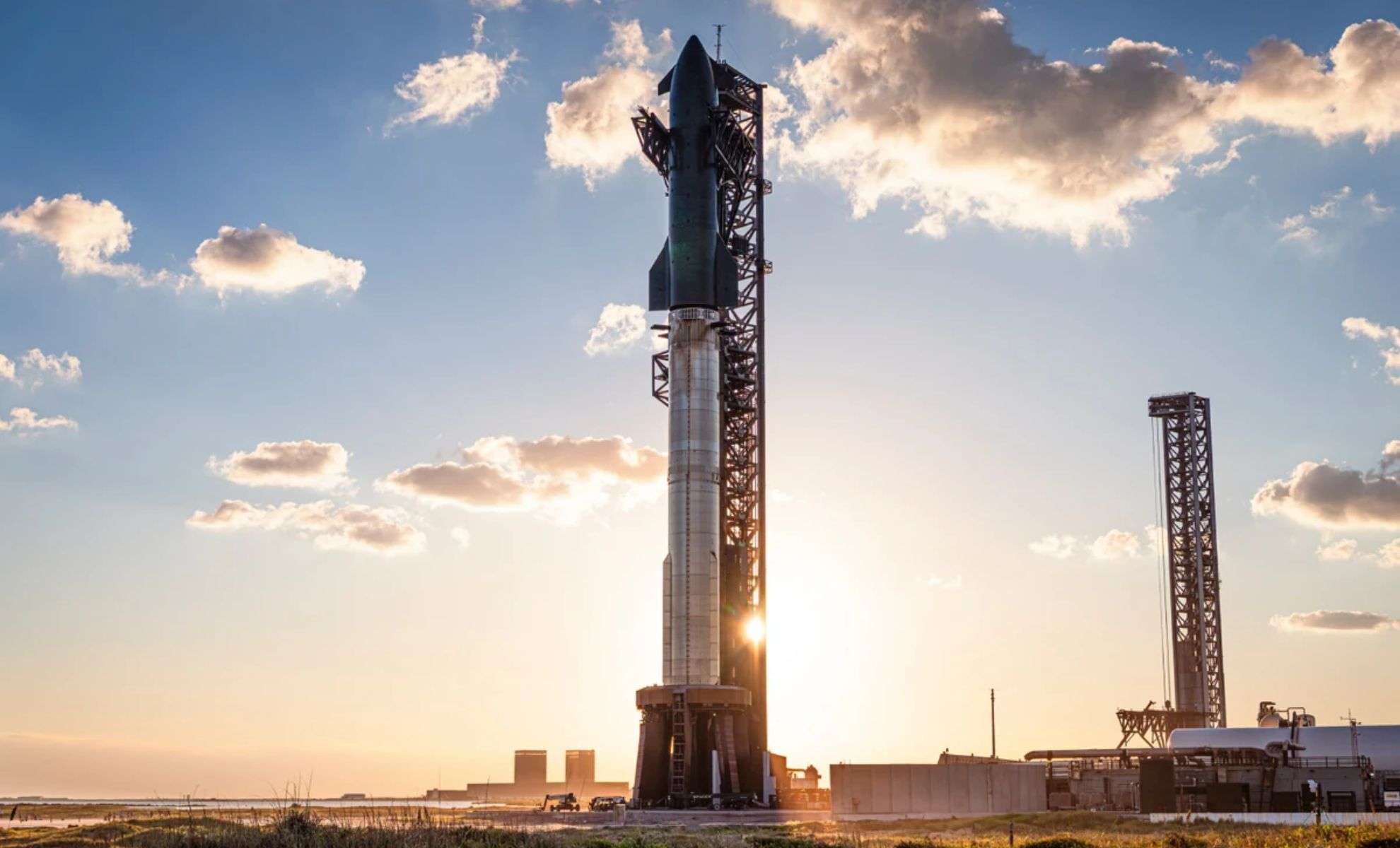
The drive to send astronauts back to the Moon is intensifying globally, with the United States placing major reliance on SpaceX’s massive Starship rocket. According to an October 12, 2025 CNN report, China is rapidly progressing with its own crewed lunar mission, raising doubts about whether NASA’s current mission design can keep pace. The upcoming key Starship test flight in South Texas this Monday is expected to be a crucial turning point.
Starship: Central to NASA’s Artemis Effort
Chosen as the Human Landing System (HLS) for Artemis III, Starship is vital to NASA’s ambition to land astronauts on the Moon by 2027. Its plan involves transporting astronauts between lunar orbit and the surface. Despite its unprecedented scale and aspiration, Starship is still a work in progress and has yet to show it can meet mission demands in practice.
To date, Starship has completed ten flights, with six resulting in failures. The latest prototype even met destruction during ground-based testing. The forthcoming eleventh test flight aims to confirm fundamental features essential for Artemis III. Without proven dependability, Starship’s role in NASA’s timeline risks becoming uncertain.

Complex Refueling Plans Pose Significant Obstacles
Because Starship is too immense to perform a full Moon round trip on a single fuel load, NASA and SpaceX plan to establish a refueling station in Earth orbit. Multiple tanker Starships carrying cryogenic fuel would be launched to replenish it.
Engineers at NASA’s Johnson Space Center estimate that over 40 tanker launches might be necessary to fill this depot, a number much higher than SpaceX’s earlier projection of around ten. These launches must be conducted rapidly to avoid the loss of fuel due to boil-off, where extremely cold propellants evaporate. Former NASA head of exploration Doug Loverro commented, “Nobody knows how efficient the transfer is going to be,” calling it “almost impossible to quantify.”
Once the depot is fully fueled, the astronaut-equipped Starship HLS would be launched to dock with it and then proceed to lunar orbit. Separately, NASA’s Space Launch System (SLS) would send the crew aboard an Orion spacecraft. The two vehicles would meet in lunar orbit, allowing astronauts to descend on Starship and return later via Orion for the return journey.
This slide needs an update, but gives a rough idea of what we’re aiming for with V3 and V4.
— Elon Musk (@elonmusk) August 27, 2025
V3 should be built & tested (maybe flown) by end of this year.
V4 is 2027. Probably closer to 150m height and 7500 tons. pic.twitter.com/5WSUR8MORt
China’s Lunar Goals Push NASA’s Deadlines
The China National Space Administration (CNSA) has set its sights on a manned lunar landing by 2030, but several analysts suggest this timeline might occur sooner. Planetary Society CEO Bill Nye stated, “The China National Space Administration will almost certainly walk on the moon in the next five years.”
Sean Duffy, NASA’s acting administrator, responded at a recent town hall, confidently saying, “We are going to beat the Chinese to the moon.” Political voices, including Senator Ted Cruz, have warned against altering NASA’s strategy, cautioning such changes could “risk America’s space leadership.” Despite mounting pressure, NASA maintains its current course.
Assessing Starship’s Readiness for Lunar Missions
SpaceX’s Starship has the potential to transform spaceflight, but some specialists question whether it was the ideal choice for Artemis III’s pressing timeline. Former NASA administrator Jim Bridenstine criticized the decision, suggesting past leaders would have favored less complicated solutions if possible.
Starship secured the contract in 2021 during a transitional NASA leadership phase, primarily because of its cost effectiveness and ambitious design. The $2.9 billion deal came after SpaceX topped Blue Origin, which later re-entered Artemis with congressional support, but only for future missions.
Although technical hurdles and schedule uncertainties persist, SpaceX remains a favored partner due to its consistent NASA collaboration history, including success with the Commercial Crew Program. Safety board member Paul Hill admitted the Starship timeline is “highly ambitious” and may slip past 2027 by several years, yet lauded SpaceX’s innovative development style. NASA communications lead Bethany Stevens highlighted ongoing cooperation with stakeholders as essential to advancing the mission.
- Categories:
- News











0 comments
Sign in to Comment