
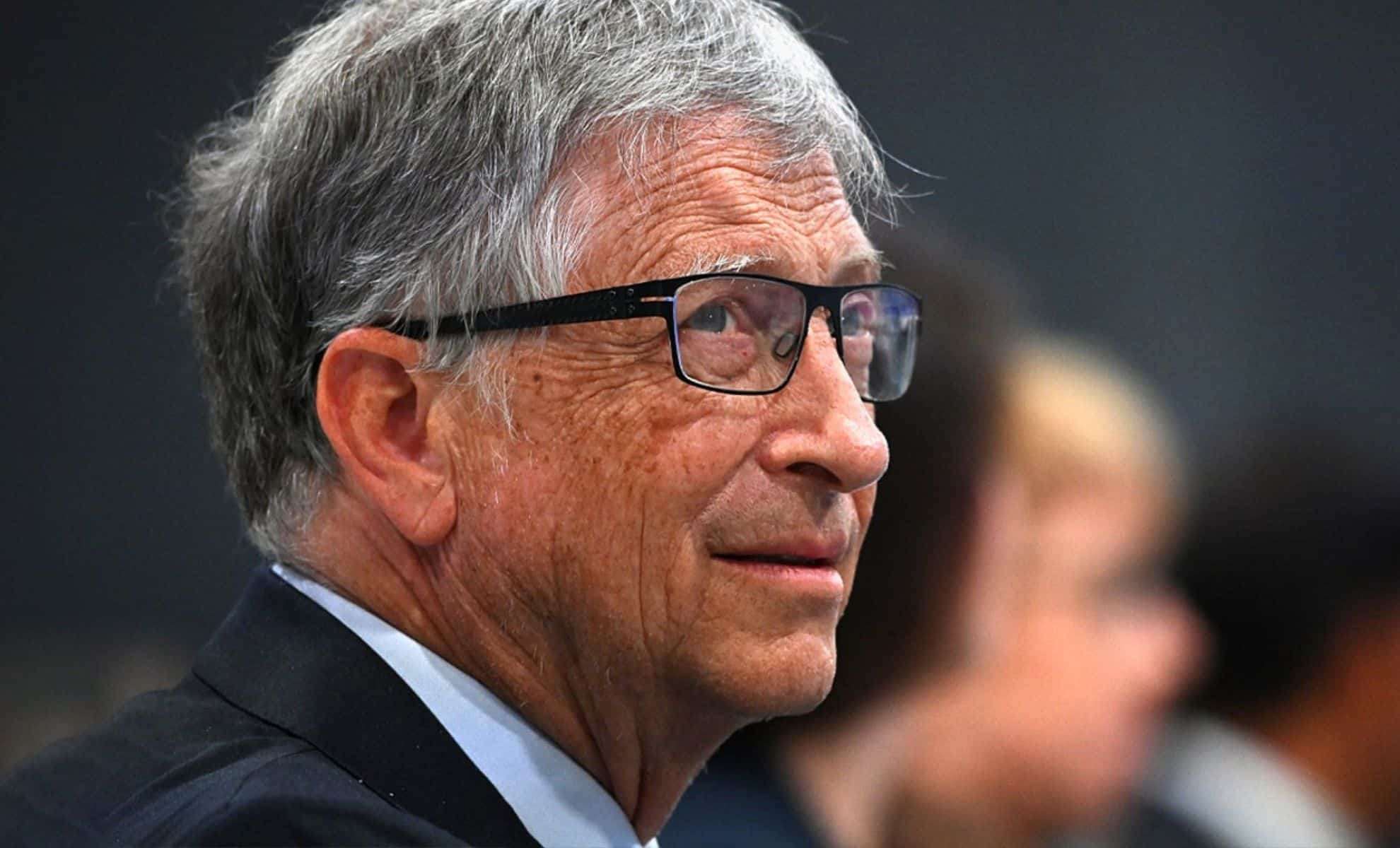
Bill Gates, widely known for co-founding Microsoft and revolutionizing technology, has quietly become the largest private farmland owner in the United States, accumulating over 100,000 hectares of agricultural land. This vast portfolio spans 19 states, including the rich plains of Nebraska and the arid fields of Arizona, covering nearly 1% of all farmland in the country—an area almost twice the size of Andorra.
Farmland is unique as an asset: finite and consistently delivering solid returns, averaging around 5% per year after adjusting for inflation over the last 30 years. Gates’ investment entity, Cascade Investment, has been methodically expanding this agricultural estate, reflecting a calculated approach that merges financial opportunity with broader interests.
Diverse Motivations Behind the Land Acquisitions
In a Reddit “Ask Me Anything” session, Gates gave a rare, somewhat mixed explanation regarding his land purchases. He said the decision was made by his investment group and denied a direct link to climate agendas, yet he simultaneously emphasized agriculture’s importance and the role of improved seeds in preventing deforestation and aiding Africa. This suggests an intertwined rationale balancing philanthropy, pragmatism, and profitability.

Comment
byu/thisisbillgates from discussion
inIAmA
One major facet of Gates' agenda involves the Alliance for a Green Revolution in Africa (AGRA), which seeks to boost yields for small farmers by providing patented seeds and fertilizers. While aiming to reduce food insecurity and increase incomes, this initiative has faced criticism for burdening farmers with debt and falling short of its targets. The American farmland holdings may also serve as sites to experiment with agricultural innovations, possibly including climate-resilient genetically modified organisms (GMOs), intended for broader global application.
Yet, beyond philanthropic goals lies a shrewd financial dimension. Influential investors such as Warren Buffett have long recognized farmland’s undervalued potential, sparking large-scale purchases by investment firms like Vanguard and BlackRock. Currently, about 30% of U.S. farmland is owned by non-farming landlords, a shift that reshapes rural economies, increases land prices, and often converts family farmers into renters on their ancestral lands. This trend echoes controversial economic outlooks forecasting diminishing personal ownership of essential assets.
A Worldwide Surge in Land Investments
The rush for agricultural real estate is a global phenomenon, not just confined to the U.S. or Bill Gates. Financial powerhouses and billionaires, including Jeff Bezos, are acquiring extensive tracts in regions like Brazil’s cerrado and Ukraine’s steppes. In Ukraine, by mid-2022, foreign private investors controlled nearly 28% of the country’s land area.
These lands are frequently leased to local farmers, but ownership and decision-making frequently rest with far-flung investors and large agrochemical corporations such as Bayer-Monsanto and DuPont, raising concerns about a modern form of agricultural colonialism.
Local communities are increasingly uneasy about such acquisitions. For instance, Gates’s purchase of 850 hectares from a potato farm in North Dakota sparked local resistance. Many fear losing autonomy over critical resources, where crop choices or agricultural practices are dictated by distant boardrooms rather than those who intimately work the land.
Farmland as a Strategic Asset for Future Stability
Ultimately, farmland represents a resilient and tangible safeguard against economic volatility. Beyond providing food, it’s a secure store of value amid rising inflation, climate uncertainties, and geopolitical turmoil. Controlling food production resources arguably offers lasting influence that outstrips traditional assets like technology stocks or luxury real estate.
Having written about climate threats in his book How to Avoid a Climate Disaster, Gates appears to put his convictions into practice by investing in critical resources essential for thriving in a more unpredictable and warming world.
- Categories:
- News






0 comments
Sign in to Comment