
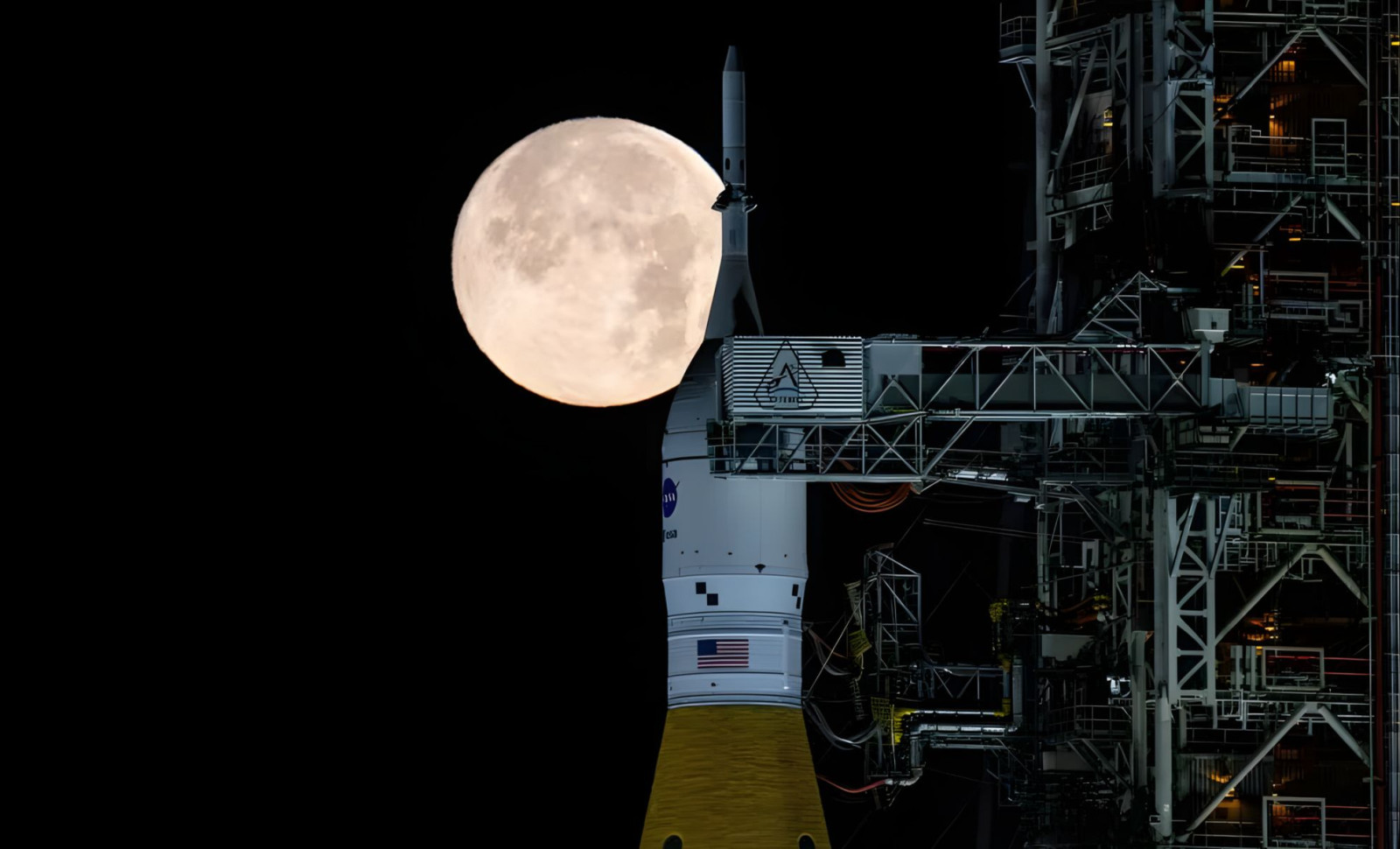
NASA is conducting a comprehensive two-day countdown simulation for its upcoming lunar expedition, preparing to send astronauts around the Moon for the first time since the early 1970s. With the rocket positioned on the launch platform and fueling operations underway, this extensive rehearsal aims to confirm the readiness for the landmark mission.
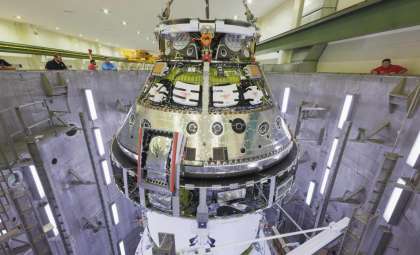
The mission, lasting close to ten days, will feature four crew members, including a Canadian astronaut, aboard the Orion spacecraft. They will orbit the Moon without landing. Successful completion of the fueling trial could mean a launch date as early as February 8, signaling significant progress within NASA’s Artemis program.
Intensified Preparations for Lunar Flight
The Space Launch System (SLS), NASA’s towering 98-meter rocket, arrived at the Kennedy Space Center launch complex two weeks ago to undergo a vital full-scale practice run. According to Phys.org, this drill mimics the complete launch countdown sequence, stopping just 30 seconds shy of engine ignition, and entails loading over 700,000 gallons of cryogenic liquid hydrogen and oxygen into the vehicle.

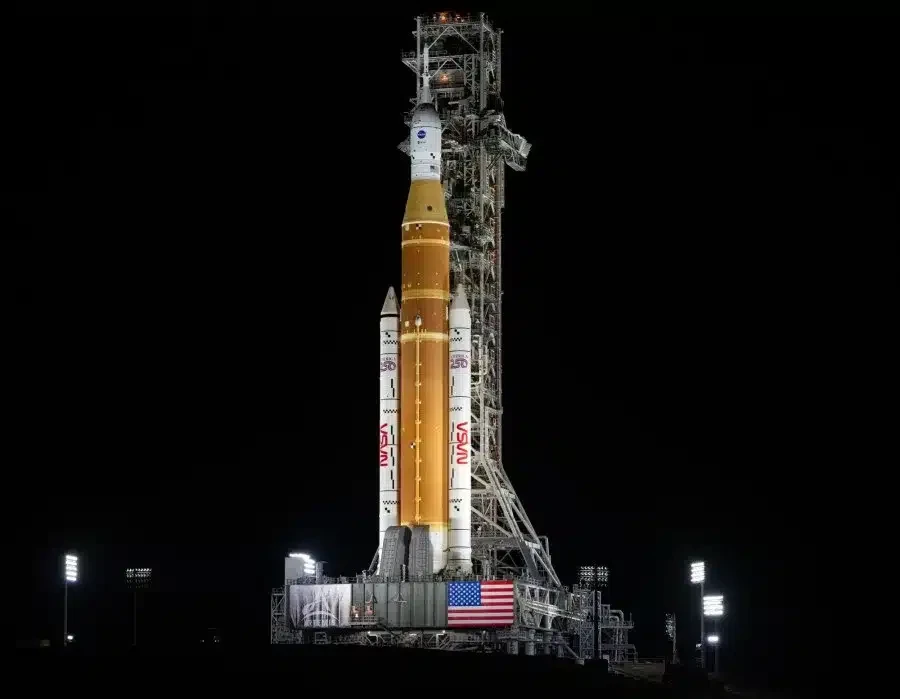
This critical test, known as the “wet dress rehearsal”, is designed to validate the rocket’s performance under launch conditions. Engineers will closely observe stress, temperature, and pressure during the process. Any issues uncovered could delay the schedule, making it the last key verification before approval for launch.
NASA has revealed that the four astronauts are currently in quarantine at their Houston facility to reduce infection risks, while remotely tracking the test progress. Commander Reid Wiseman and his crew will travel to Florida only after the rocket receives clearance. This mission will represent the first human voyage to the Moon since Apollo 17 over 50 years ago.
Astronaut Quarantine Prior to Launch
To safeguard the mission, NASA enforced a strict health quarantine for all four astronauts leading up to liftoff preparations. This standard safety procedure is intended to prevent illnesses that could jeopardize the mission. Commander Wiseman and his team, including one Canadian member, continue mission trainings and monitor tests from the Johnson Space Center in Houston.

The crew plans to relocate to the Kennedy launch site only after the successful completion of fueling exercises and final go-ahead. The launch timeline remains tight, with the earliest window shifted to February 8 due to weather-related delays at the site.
Historic Return to Lunar Spaceflight
The last time NASA’s astronauts traveled to the Moon was during Apollo 17 in 1972, concluding the initial era of lunar exploration that began in 1968. Across that span, 24 astronauts made the journey, with 12 walking on the lunar surface. Although the new mission will not include a landing, it marks the first human spaceflight beyond low Earth orbit since then.
Phys.org notes that the Orion spacecraft will undertake a flyby maneuver, circling the Moon before heading back to Earth for a Pacific Ocean splashdown.
“It will help test the systems and hardware needed to continue sending astronauts on increasingly difficult missions to explore more of the Moon for scientific discovery, economic benefits, and to continue building toward the first crewed missions to Mars,” stated the U.S space agency in the press release.
- Categories:
- Space






0 comments
Sign in to Comment