
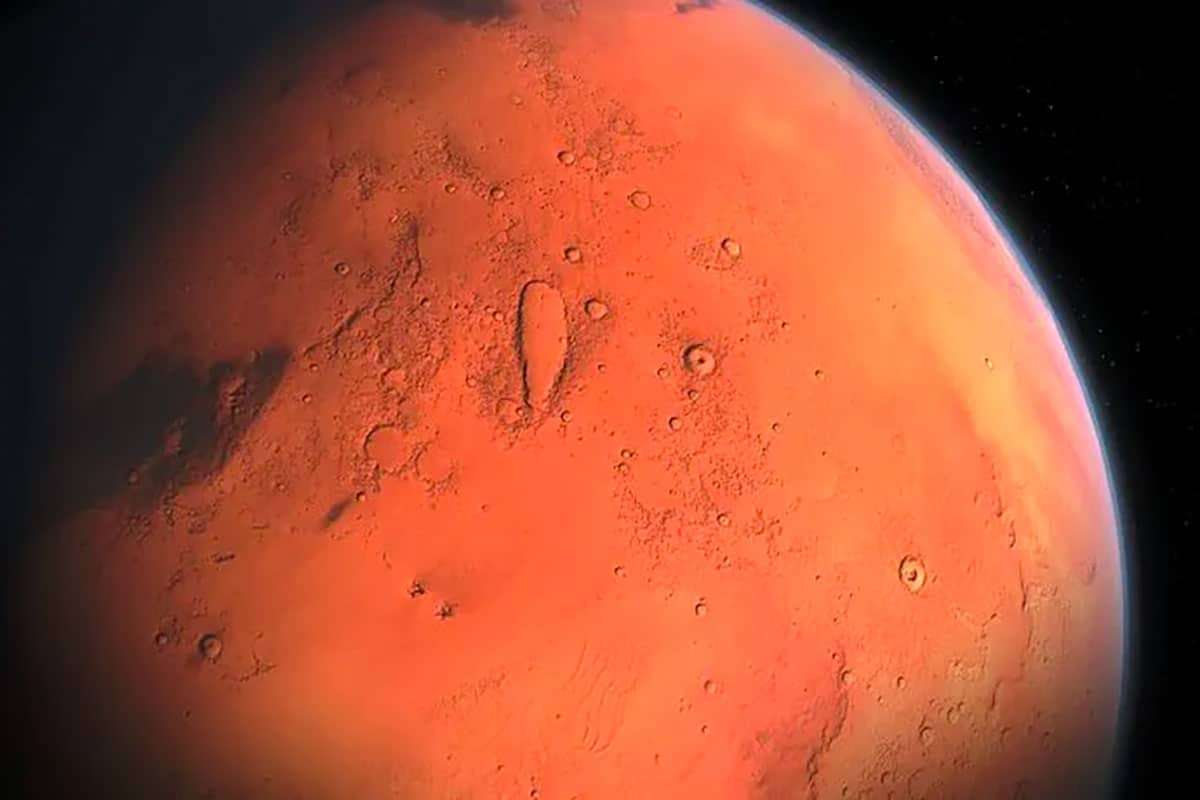
Scientists have unveiled compelling new research published in Nature, indicating that Mars may have once been a much wetter world than previously believed. This analysis, based on data gathered from multiple space explorations, offers intriguing evidence pointing to the Red Planet’s aquatic past.
The study integrates findings from three major missions:
- China’s Zhurong rover
- The Tianwen 1 spacecraft
- NASA’s Mars Reconnaissance Orbiter
By combining these datasets, researchers have reconstructed an ancient Martian environment starkly different from today’s barren landscape. The Mars Once Had a Vast Ocean, New Clues from Zhurong Rover Suggest article highlights evidence suggesting that Mars’ northern region was once dominated by a large ocean, transforming our understanding of its geological development.

Geological evidence reveals traces of water
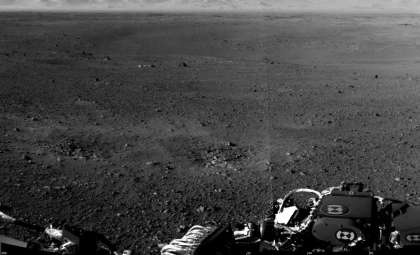
Since touching down in 2021, the Zhurong rover has surveyed Utopia Planitia, an expansive plain located in Mars’ northern hemisphere. This area has offered substantial indicators of historic water activity. Notable geological structures identified by the rover include:
- Depressions
- Sedimentary channels
- Mud volcanoes
These landforms are commonly linked with environments shaped by water and ice. Their discovery bolsters the theory that Mars once supported a considerable aquatic landscape.
One of the most fascinating insights from the data is the potential detection of an ancient shoreline in this region. Scientists estimate the ocean existed following massive flooding approximately 3.68 billion years ago. This period is especially notable as it aligns with Mars undergoing gradual cooling and atmospheric thinning.
Scrutinizing the findings
Though the study offers strong evidence supporting an ancient ocean, the scientific community remains divided. Bo Wu, lead researcher at Hong Kong Polytechnic University, emphasizes caution, stating that the findings fall short of definitive proof. This careful stance reflects the difficulties in interpreting Martian geological features from afar.
Others, such as Benjamin Cardenas from Pennsylvania State University, express doubt. Cardenas suggests that Mars’ intense winds may have erased any physical signs of ancient shorelines. This viewpoint highlights the challenges that come with piecing together the planet’s geological record from current surface observations.
Wu and colleagues provide an alternative interpretation, proposing that the formations resembling shorelines could be materials excavated by meteorite impacts more recently. This theory attempts to explain how these features might persist despite Mars’ harsh environmental conditions over billions of years.
What it means for Mars and life beyond Earth
The discussion regarding Mars’ watery history goes beyond scientific curiosity, carrying significant implications for the possibility of early life on the planet. Since water is essential for life as we know it, confirming the existence of a vast ancient ocean would greatly enhance the prospect that Mars once supported living organisms.
Ongoing and planned missions to Mars are focused on:
- Obtaining Martian rock samples and bringing them to Earth for in-depth study
- Locating potential ancient water reservoirs
- Detecting chemical markers that could indicate former or existing microbial life
These initiatives aspire to unravel the complex environmental history of Mars and ultimately address one of planetary science’s most profound questions: Has life existed anywhere else beyond Earth?
As explorations continue, each revelation helps us better comprehend Mars’ intriguing past. Evidence of ancient water reshapes our perspective on the planet and deepens our imagination about life’s possibility across the universe. Although conclusive confirmation of the Martian ocean remains forthcoming, ongoing research underscores the exciting and evolving nature of space science and discovery.
Source : https://www.nature.com/articles/s41598-024-75507-w
- Categories:
- Space






0 comments
Sign in to Comment