
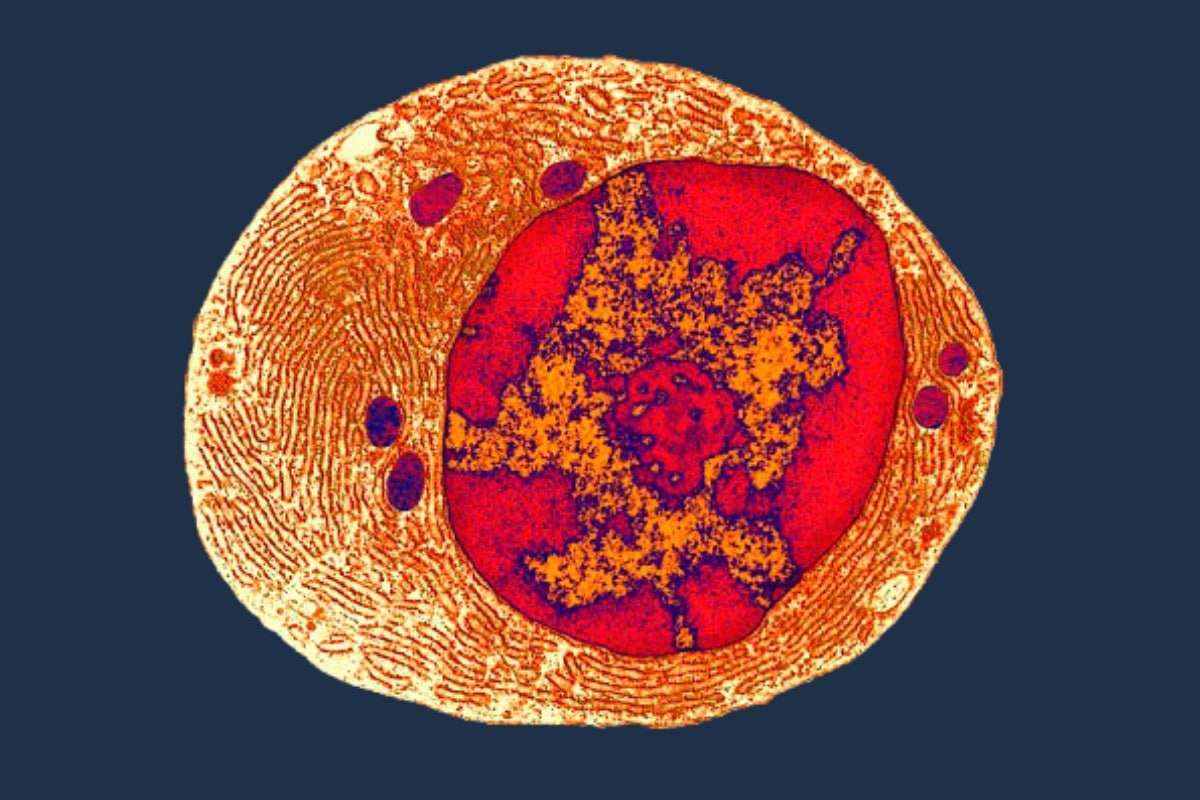
The concept of the Last Universal Common Ancestor (LUCA) as the origin point for all Earth's life forms has been revised to an even earlier time than once thought. This groundbreaking update questions previous ideas on life’s beginnings and implies that early biological evolution took place under very different planetary conditions. Accepting that LUCA existed much earlier sparks fresh investigations into the early Earth’s geochemical setting and the environmental factors that made life possible and diverse.
A recent publication featured in Nature Ecology & Evolution reveals that scientists have now extended LUCA’s timeline further into the past by analyzing molecular and genetic evidence with greater precision.
Reassessing the Age of LUCA
Previously, researchers estimated that LUCA appeared approximately 3.5 billion years ago, marking the early stages of life's evolution on Earth. However, newer data indicate LUCA may have originated nearly 4 billion years ago, pushing its existence back by hundreds of millions of years. This revision profoundly shifts scientific perspectives on the timeline and conditions for life’s onset.

By studying ancient genetic features common to all existing organisms, researchers have pieced together the core gene set LUCA probably possessed. These genes paint a picture of a primordial, single-celled entity capable of surviving in harsh habitats, likely in proximity to deep-ocean hydrothermal vents.
Tim Lenton, who contributed to the study, notes, “It’s clear that LUCA was exploiting and changing its environment, but it is unlikely to have lived alone.”
The Methodology Behind Dating LUCA
Breakthroughs in genomic techniques enabled this revised estimate. The team looked at the oldest genes shared by bacteria, archaea, and complex organisms, then used mutation rates over eons to refine LUCA’s era.
One pivotal marker is the ribosomal RNA, an essential molecule in all life forms that has stayed remarkably unchanged for billions of years, offering a reliable reference for timing life’s origin.
Martin’s group identified 355 genes likely present in LUCA, indicating it was an anaerobic, autotrophic organism—one that thrived without oxygen by generating energy from hydrogen and carbon dioxide, similar to bacteria found near hydrothermal vents today.
Broader Impacts on the Search for Life Beyond Earth
This finding supports the “life everywhere” theory, proposing life forms can spontaneously arise wherever suitable environments exist. This bolsters hopes for microbial life on places like Mars, the frozen oceans beneath Europa’s surface, or Titan’s methane-rich atmosphere as revealed through radar data from Cassini.
Edmund Moody, the lead investigator, acknowledges, “the evolutionary history of genes is complicated by their exchange between lineages, We have to use complex evolutionary models to reconcile the evolutionary history of genes with the genealogy of species.”
If life on Earth emerged swiftly after the planet's conditions stabilized, similar processes might readily occur elsewhere in the cosmos. Many researchers believe we are nearing the detection of biosignatures—chemical evidence of life—on distant exoplanets, making this revised LUCA timeline a key advancement in understanding life’s universal potential.
- Categories:
- News






0 comments
Sign in to Comment