
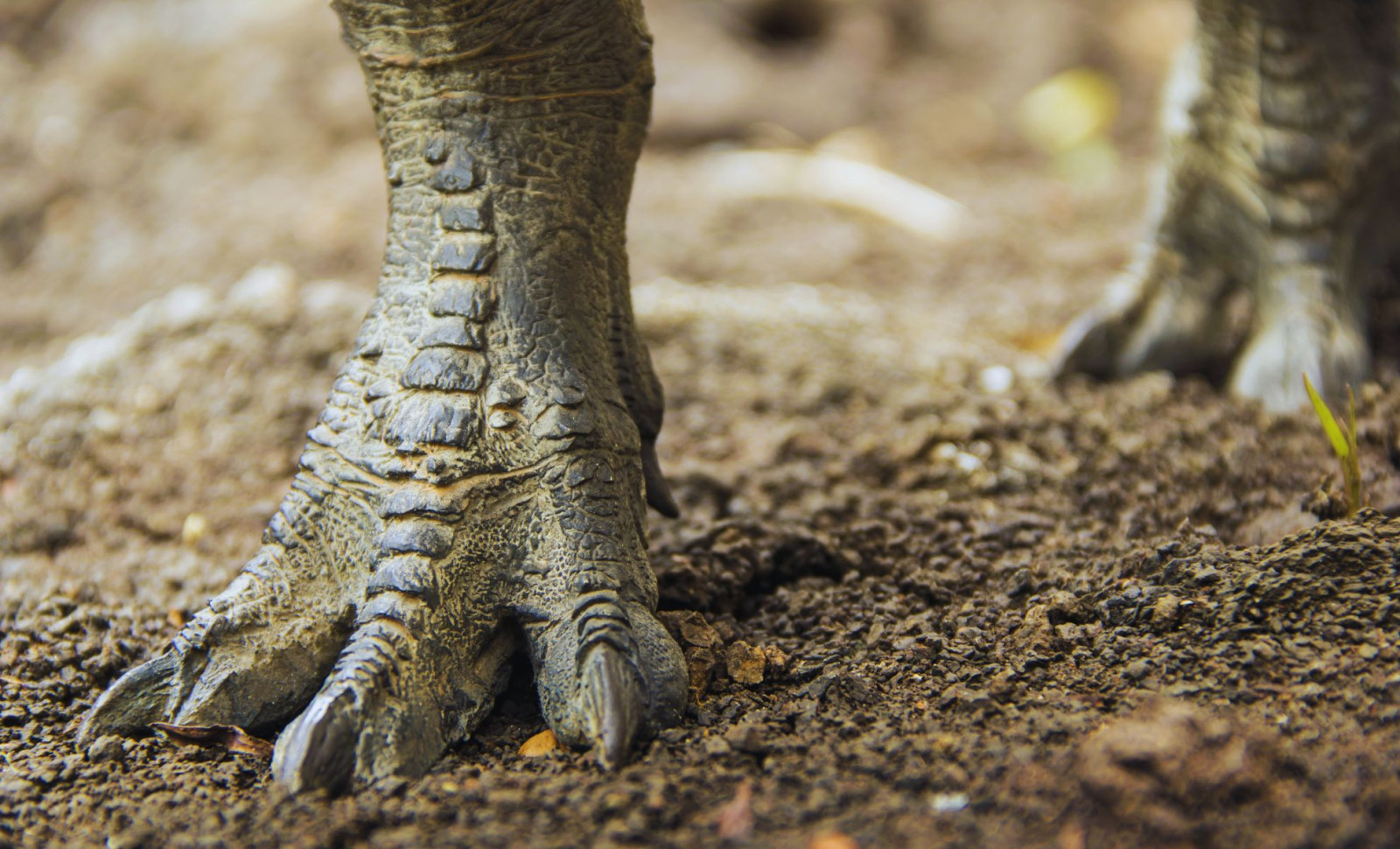
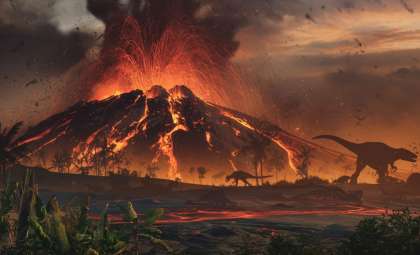
Recent fossilized footprints uncovered in Mongolia reveal that certain dinosaurs had the ability to sprint at speeds comparable to elite cyclists. This groundbreaking evidence reshapes our understanding of dinosaur locomotion, confirming long-held beliefs that smaller dinosaur species were swift runners.
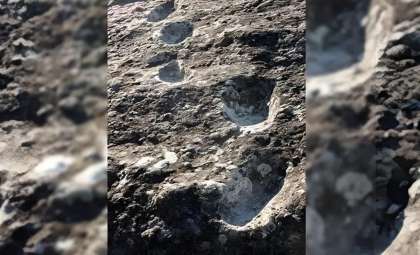
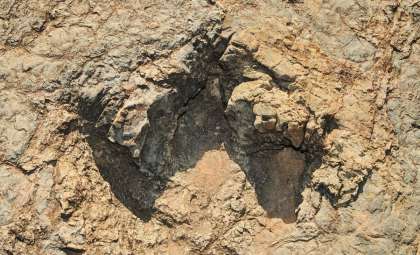
Footprints offer a unique glimpse into the daily lives of dinosaurs, capturing precise moments of movement rather than just their physical structure, as bones do. The Mongolian tracks, estimated to be about 120 million years old, shed light on the agility and pace of an ancient dinosaur, which is estimated to have run at speeds rivaling those of professional athletes.
Significant Paleontological Find
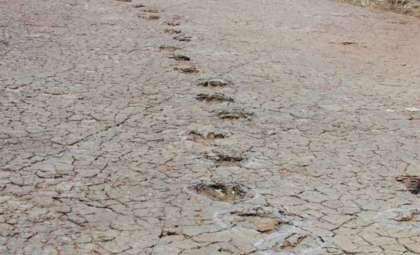
Discovered in Cretaceous-period deposits in Mongolia, the footprints belong to two distinct dinosaur species. One set traces the steps of a large theropod moving leisurely, while the other, impressively preserved set, was left by a medium-sized dinosaur, likely a member of the Eubrontidae family, sprinting at full throttle. This creature is thought to have achieved speeds up to 45 kilometers per hour, an extraordinary performance given its size.

The researchers remarked, “This speed marks the fastest recorded theropod footprint from the Cretaceous period. Biomechanical analyses typically show that large theropods exceeding 1,000 kg preferred walking or slow running, while smaller and mid-sized theropods could reach much higher velocities.”
This discovery corroborates long-standing scientific predictions. Previously, biomechanical models suggested that medium-sized theropods were capable of high speeds, and these footprints provide concrete proof supporting that theory.
Determining Dinosaur Speed from Tracks
But how do scientists measure dinosaur speed from footprints? The process begins by estimating the size of the dinosaur from the foot impressions. Researchers then measure the stride length—the distance between consecutive steps—which is crucial to calculating velocity.
Comparing stride length to hip height offers further insight. If the ratio surpasses 2.9, it indicates running motion. The Mongolian theropod exhibited an impressive ratio of 5.25, confirming it was moving at top speed.
According to the study authors, “The running pace of this mid-sized theropod aligns well with existing biomechanical models for similarly sized dinosaurs, reinforcing current scientific understanding of theropod locomotion capabilities.”
Documented in Science China Earth Sciences, this research demonstrates that these dinosaurs were not just agile but also much faster than previously anticipated, offering deeper insights into their locomotor skills.
- Categories:
- Science


0 comments
Sign in to Comment