
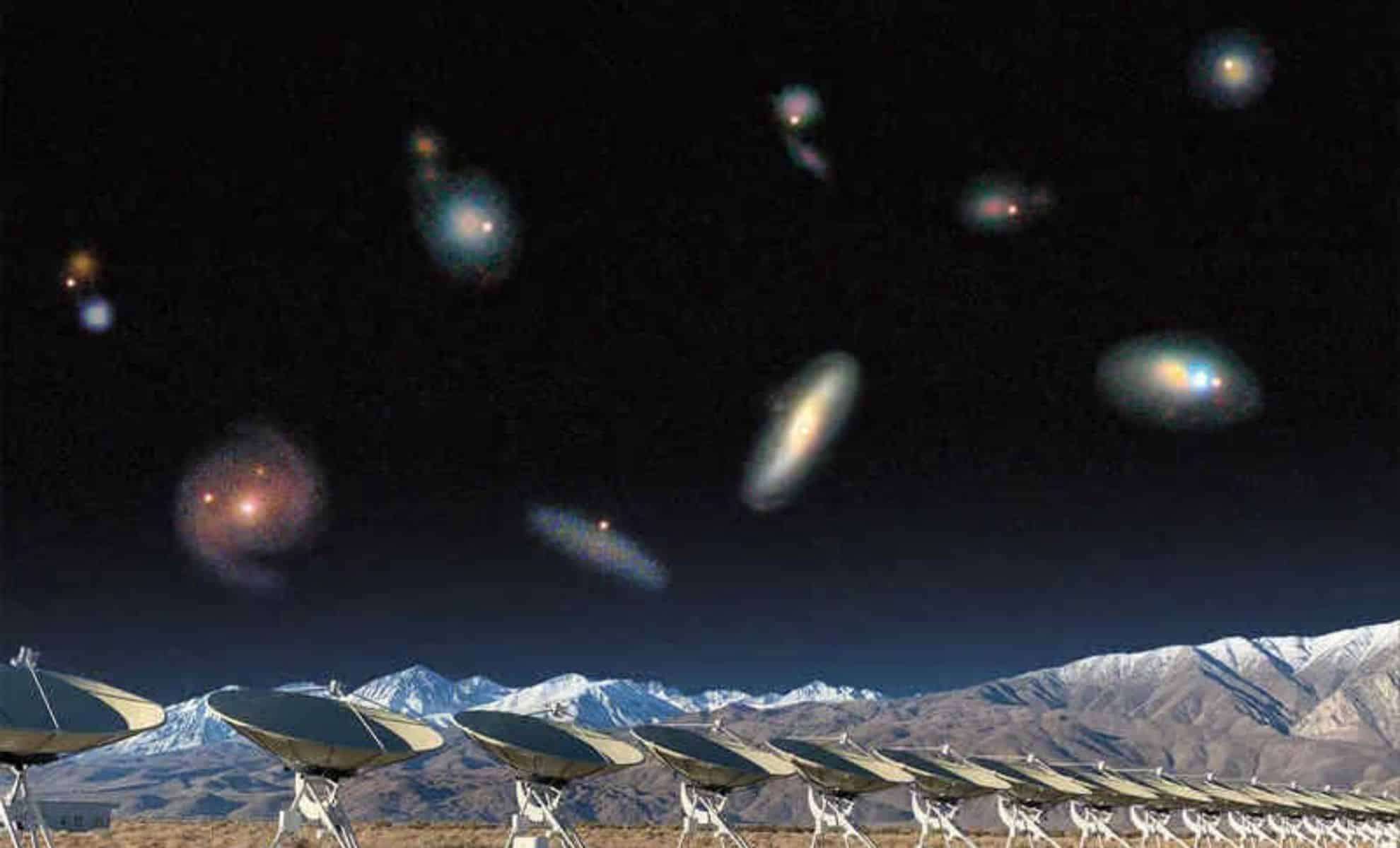
Fast radio bursts (FRBs) are brief yet powerful bursts of radio waves lasting mere milliseconds, originating from distant regions of the cosmos. Despite their fleeting nature, these bursts release an enormous amount of energy, comparable to several days' worth of solar output compressed into a split second.
By analyzing data gathered from 30 distinct host galaxies, researchers have uncovered compelling evidence that FRBs predominantly arise in large galaxies rich with youthful stars. These findings point to extreme and rare cosmic environments as likely birthplaces of these fascinating signals, offering fresh insight into the nature of FRBs.
Linking Massive Galaxies and Magnetars to FRB Sources
The elusive nature of FRBs—characterized by their sudden, unpredictable arrival—has made them difficult to study. Nonetheless, advancements in observational techniques have enabled astronomers to pinpoint the specific galaxies from which many FRBs originate, yielding valuable information. As reported by ScienceAlert, a research group led by Kritti Sharma at the California Institute of Technology found that FRBs mainly come from large galaxies abundant in young stars. Sharma's team noted, “Environments hosting massive young stellar populations appear crucial for the creation of FRB sources,” underscoring a link between youthful star clusters and the production of FRBs.

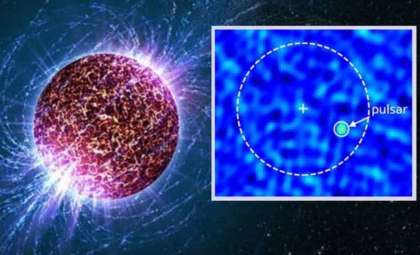
The leading explanation for FRB origins involves magnetars—highly magnetic neutron stars formed following the collapse of massive stars. These celestial objects possess magnetic fields far stronger than ordinary neutron stars and are capable of unleashing intense bursts of energy. ScienceAlert highlights that the first FRB observed within our own galaxy in 2020 was traced back to a magnetar, lending strong support to this theory. Sharma’s group emphasizes that “the energetic magnetic fields and seismic activities within magnetars make them prime candidates for FRB generation, particularly in star-rich, youthful galaxies.” That said, the varied characteristics of some FRBs suggest the presence of multiple types of sources behind these phenomena.
An Alternative Theory: Magnetars from Binary Star Collisions
Interestingly, the observed distribution of FRBs does not perfectly align with the known rates of core-collapse supernovae throughout the universe, prompting scientists to explore other possibilities. The team proposed that FRBs might also originate from magnetars formed by the merging of binary star systems instead of typical supernova formation. These merger events are more prevalent in massive galaxies, where conditions such as higher metallicity and abundant massive stars favor the formation of close binary pairs. According to the researchers, “Binary star mergers in large galaxies could create the environments necessary for FRB production, consistent with the types of galaxies observed hosting these bursts.”
Sharma’s simulations lend credence to this idea, suggesting that magnetars generated via the collision and fusion of massive stars might develop the magnetic properties essential for producing FRBs. This alternative pathway expands the range of astrophysical scenarios that could generate FRBs, indicating that these signals may arise from multiple stellar origins depending on their galactic surroundings.
Looking Ahead: Implications for Ongoing FRB Studies
These recent breakthroughs mark a pivotal step toward unraveling the mystery of FRBs, yet many questions remain unanswered. The preference of FRBs for massive galaxies hints that very specific astrophysical settings could be required for their creation. Still, FRB research is in its early stages, and scientists are continually striving to understand the diverse conditions that lead to these intense bursts of radiation. Continued observations will be essential to verify the influence of massive galaxies and binary star mergers in FRB genesis.
Advances in detection instruments and analytical tools promise to deepen knowledge about FRBs in the coming years. As researchers identify more FRBs and associate them with their host galaxies, they hope to determine whether magnetars alone are responsible or if other stellar phenomena also contribute. Discovering FRBs linked to different galaxy types, beyond the massive, young systems currently studied, could broaden theoretical frameworks and reveal new mechanisms behind these intriguing cosmic events.
The pursuit of understanding FRBs remains a captivating frontier in astronomy. Each new piece of data enriches our comprehension of the extreme processes that lead to these extraordinary bursts of energy, illuminating the complex interplay among neutron stars, binary systems, and galactic environments. With ongoing research, scientists are optimistic about finally deciphering the origins of FRBs, potentially revolutionizing our view of high-energy astrophysics and the universe’s most enigmatic explosions.
- Categories:
- News






0 comments
Sign in to Comment