
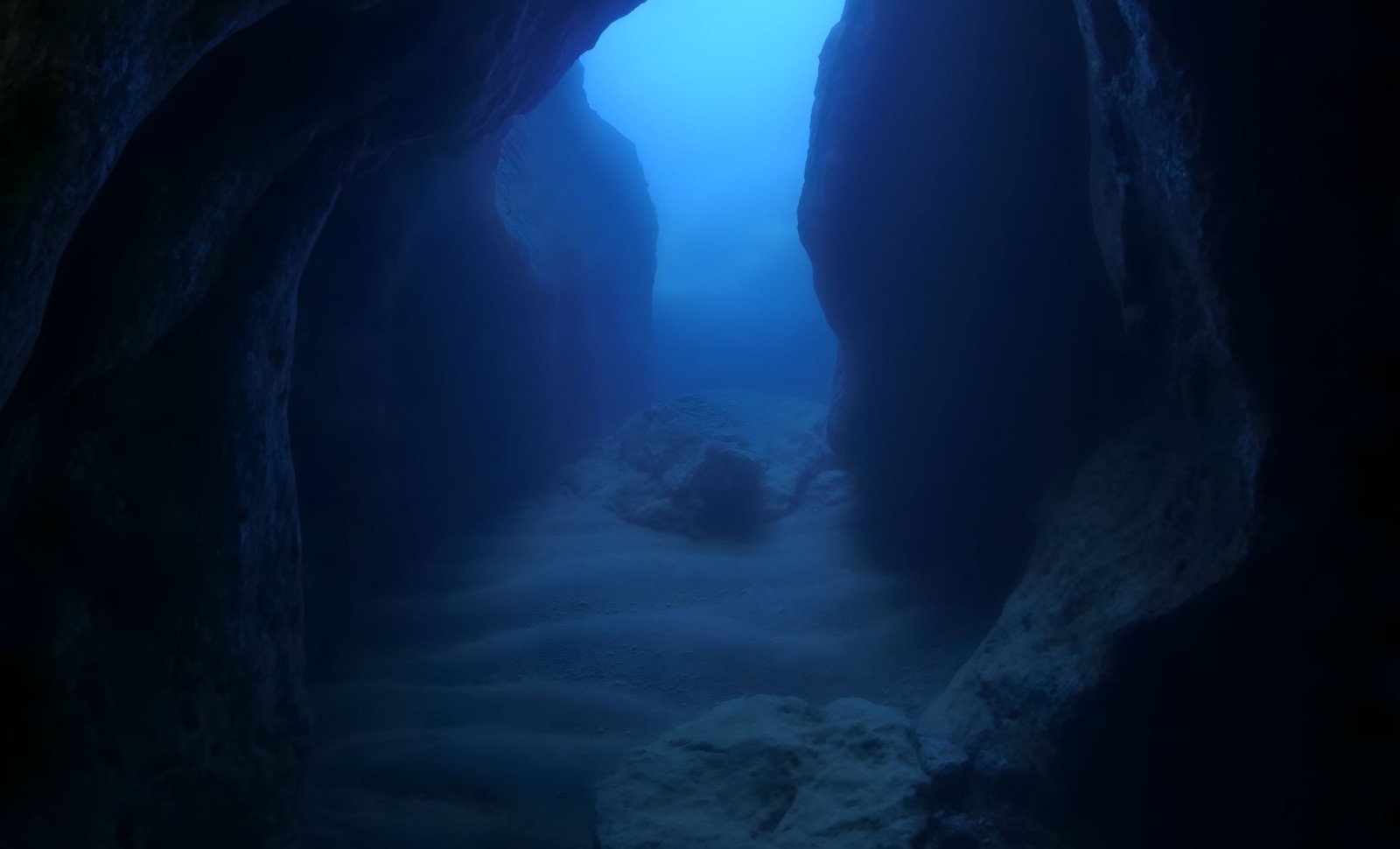
A vast underwater canyon system in the North Atlantic, extending over 500 kilometers, has long puzzled researchers. The King’s Trough Complex, an immense geological feature, was previously attributed to erosion similar to terrestrial canyons. However, recent research challenges this view.
Situated roughly 1,000 kilometers west of Portugal, this enormous trench system’s sheer scale and depth have attracted significant scientific interest. While underwater canyons often bring to mind slow erosion by currents, the King’s Trough was actually created by gradual tectonic movements beneath the ocean floor.
Plate Tectonics Acting Like a Zipper
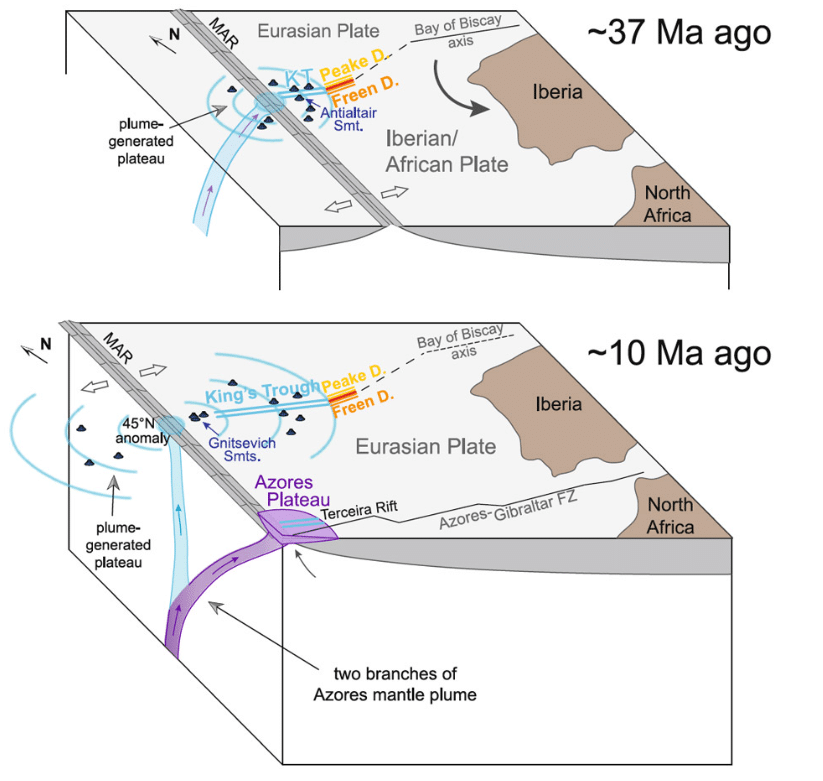
The latest research, published in Geochemistry, Geophysics, Geosystems, reveals that this canyon did not result from erosive forces but rather through tectonic plates pulling apart. More than 24 million years ago, the boundary between the European and African plates underwent a slow, zipper-like rifting process, creating deep rifts in the ocean floor.

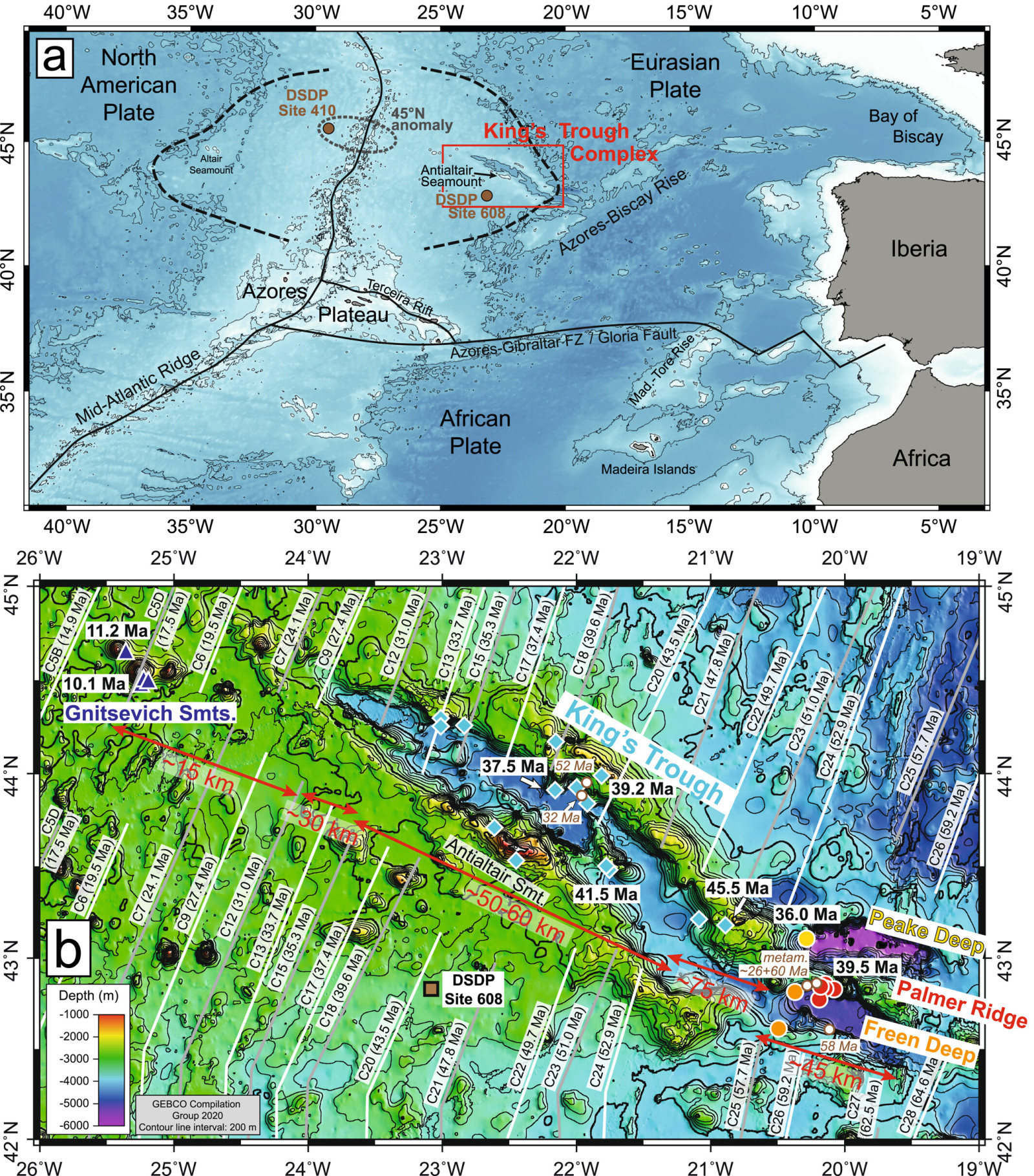
According to Dr. Antje Dürkefälden, a marine geologist at GEOMAR, this movement wasn’t a sudden shift but a prolonged separation process spanning millions of years. The plates did not merely slide sideways; they stretched and fractured, carving out profound depressions in the seabed.
“Our results now explain for the first time why this remarkable structure developed precisely at this location,” said lead author Dr. Dürkefälden.
The development of the trench reflects a slow, sustained geological event. Unlike typical canyons shaped by water erosion, the King’s Trough originated from gradual tectonic plate divergence over millions of years.
Uncovering the True Forces Behind Earth’s Structure
While tectonic activity was crucial, the scientists discovered an additional factor: the crust beneath this area was unusually thick and hot due to upwelling heat from Earth’s mantle. Mantle plumes, which are columns of intensely heated rock rising from deep within the planet, likely weakened the crust, making it more prone to tectonic fracturing. Co-author Dr. Jörg Geldmacher remarked:
“This thickened, heated crust may have made the region mechanically weaker, so that the plate boundary preferentially shifted here.”
The study suggests that the thickened, heated crust could be an early stage of the Azores mantle plume, which continues to influence the region. Known for driving volcanic activity, mantle plumes also appear to shape tectonic features such as the King’s Trough. Although Earth's surface is constantly evolving, the formation of this canyon involved a protracted process lasting millions of years, influencing both its creation and eventual limits.
The King’s Trough: A Window into Earth's Deep Processes
This research provides remarkable evidence linking deep mantle dynamics with tectonic plate behavior on the surface. The findings highlight how mantle plumes are not merely hotspots for volcanism but also key players in tectonic interactions. As noted in SciTechDaily:
“The King’s Trough therefore provides a vivid example of how processes deep in the mantle and movements of the overlying tectonic plates are linked”
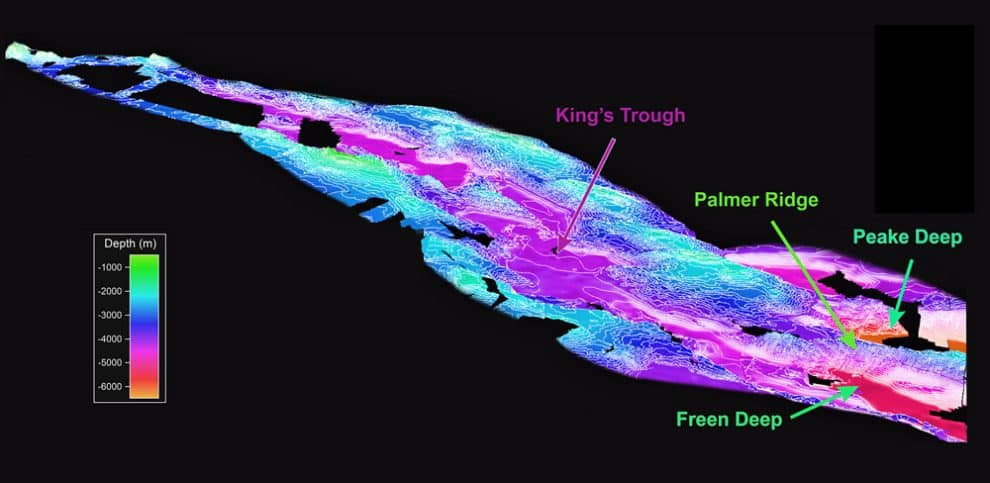
These conclusions stem from data gathered during the 2020 METEOR expedition, where scientists used advanced sonar to create detailed maps of the area. Rock samples retrieved from the canyon allowed for precise dating and chemical composition analysis, further supporting the tectonic and thermal origin of this immense underwater feature.
- Categories:
- Science








0 comments
Sign in to Comment