

In the suburbs surrounding Tokyo, where towering skyscrapers give way to cramped alleys filled with aging rental apartments, fresh research highlights a worrying association between living environments and heart disease mortality rates.
A significant investigation published in BMJ Public Health this September reveals that older adults residing in rental units across Japan endure a substantially elevated chance of dying from cardiovascular conditions compared to those who live in owned residences. Scholars from Tokyo University of Science contribute to growing evidence demonstrating that the quality of housing is a critical but often underestimated factor influencing public health, on par with nutrition, physical activity, and healthcare accessibility.
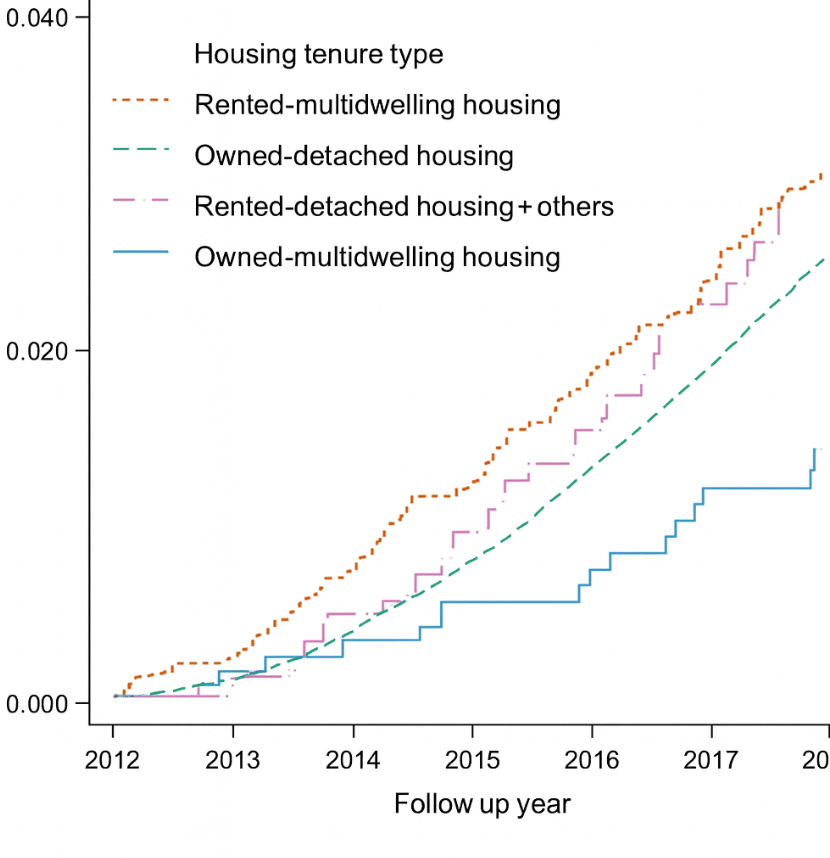
The team combined mortality data from Japan’s Ministry of Health with longitudinal findings from the Japan Gerontological Evaluation Study (JAGES), following the health outcomes of nearly 39,000 senior individuals over a period of six years. Adjusting for lifestyle variables, income levels, and health conditions, they identified a striking 78% increase in cardiovascular mortality risk among those inhabiting rental apartments versus those in owned homes.

The Subtle Impact of Housing on Heart Health
While the influence of living conditions on heart health has been suggested previously, few analyses have explored this relationship on such a large scale. The World Health Organization’s Housing and Health Guidelines emphasize that problems such as poor insulation, persistent noise, and exposure to temperature extremes can cause hypertension triggered by cold, ongoing stress, and respiratory complications, all of which increase cardiovascular risk.
“Many rental residences for older Japanese adults lack adequate insulation, particularly during winter months,” said Dr. Masamichi Hanazato, a contributing author. “Though it might seem trivial, extended exposure to chilly indoor air can raise blood pressure and put added strain on the cardiovascular system.”
Aside from physical factors, rental apartments, especially in crowded urban areas, may deepen feelings of social isolation, a known contributor to heart ailments. The Centers for Disease Control and Prevention identifies housing conditions and community environment as essential determinants of health, particularly for elderly populations.
Japan's Aging Society and the Housing Challenge
Japan faces a demographic shift unparalleled worldwide, with close to 30% of its citizens aged 65 and older. Despite comprehensive healthcare services, the state of housing often lags behind. Many elderly renters occupy compact, poorly heated dwellings constructed decades ago, without sufficient legal rights or resources to demand improvements.
The analysis also showed that even detached rental houses, often larger and more private than flats, did not provide the same cardiovascular health benefits as owned apartments. This suggests factors such as housing design and ownership status influence wellbeing. Researchers propose that owning a home may foster a greater sense of security and community engagement, which help mitigate chronic stress.
“Our work redefines the elements necessary for healthy aging,” stated Dr. Wataru Umishio, the study’s principal investigator. “We need to consider the hidden role of housing environments when addressing long-term health.”
Worldwide Relevance for Urban Planning and Public Health
Although focused on Japan, these findings resonate globally, in cities like New York or Berlin, where older renters often live in outdated, energy-inefficient accommodations. Governments elsewhere have begun recognizing housing’s impact on health — the UK’s Healthy Homes initiative and U.S. Department of Housing and Urban Development’s quality programs reflect this awareness.
Nonetheless, many regulations fail to adequately address cardiovascular risks within housing policies. The evidence from Japan serves as a critical prompt for collaboration among urban developers, health officials, and housing policymakers.
- Categories:
- News













0 comments
Sign in to Comment