
In the tranquil village of Guardbridge, Scotland, a routine housing project unexpectedly uncovered a remarkable glimpse into ancient human history. Preliminary archaeological investigations revealed signs of human presence spanning an astonishing 12,000 years, from the end of the last Ice Age through to medieval times.
The full excavation report, rich with insights from multiple historical periods, has been published in Archaeology Reports Online, offering an exceptional, continuous record of settlement in the Fife area.
Construction Work Unveils Ancient Human Habitation
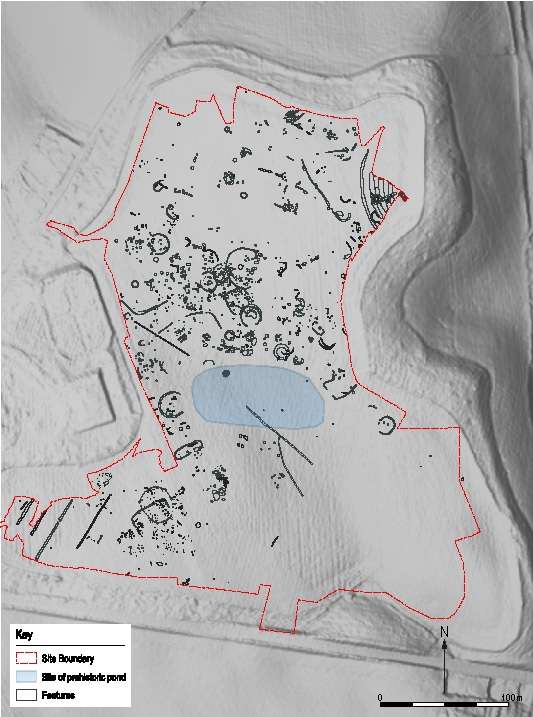
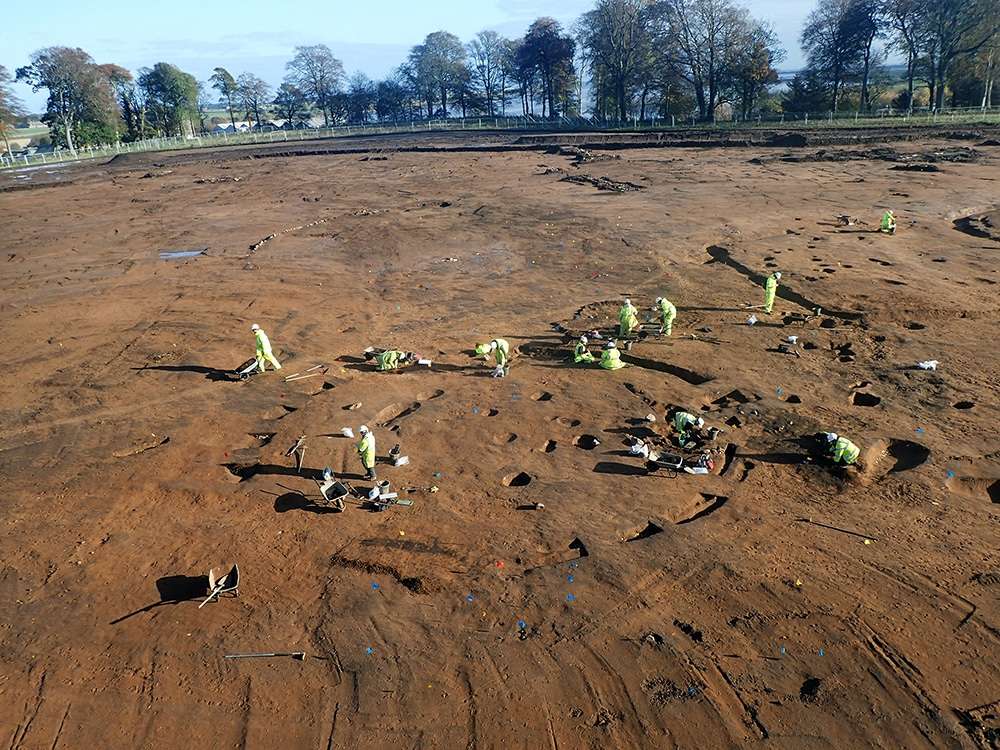
The investigation began when Persimmon Homes North Scotland was commissioned by Fife Council to conduct an archaeological assessment before new homes were built. The team from Guard Archaeology anticipated some findings due to previously discovered ditches linked to an ancient fort nearby, yet the scale and depth of the discoveries far surpassed expectations. The site uncovered sequential layers of occupation, prompting researchers to describe it as “the entire prehistoric story of Fife encapsulated in one field.”

Among the oldest artifacts uncovered were Late Upper Paleolithic stone tools and Mesolithic fire hearths, their ages confirmed through radiocarbon dating. These remains suggest transient groups of hunter-gatherers once occupied the area. Notably, a collection of charred stones arranged in a star-shaped layout may represent the framework of a simple shelter, likely used as a temporary hunting or fishing camp near the estuary.
Evidence of Bronze Age Metalworking and Homes
Progressing through the sediment, signs of Neolithic farming societies became apparent. Burnt cereal grains, saddle querns for grinding, and pottery fragments point to a transition from nomadic lifestyles to settled farming communities, likely establishing permanent habitation in the region.
The Bronze Age era left significant marks, including remains of large roundhouses filled with animal bones and ceramic pieces. Most remarkable was the discovery of ancient metallurgy equipment, such as rare molds for casting sword blades and a socketed gouge used in woodworking. Near a roundhouse entrance, a spot covered in flint flakes indicated where someone once crafted stone tools.
Insights Into a Long-Standing Ancient Fort
Close to the residential remains, archaeologists identified a fort initially thought to date to the Iron Age. Subsequent analysis revealed it originated in the Late Bronze Age but remained in use well into the Iron Age. Inside this fort, artifacts like spindle whorls and loom weights showcased textile production, while shale bracelets highlighted personal adornments and craftsmanship traditions.
This enduring occupation implies the fort held both strategic and daily significance. Its proximity to fertile land and the estuary likely attracted various communities through millennia.
Medieval Agricultural Practices Discovered
In later centuries, the same territory remained agriculturally important. Archaeologists uncovered medieval corn-drying kilns, demonstrating how farming technology evolved continuously on this land once inhabited by ancient hunters and early farmers.
The Guardbridge findings, now documented in Archaeology Reports Online, constitute one of Britain's most comprehensive archaeological chronicles at a single site. What started as a preliminary survey for housing unexpectedly unveiled a captivating saga of human ingenuity, endurance, and community stretching back to the Ice Age.
- Categories:
- News









0 comments
Sign in to Comment