
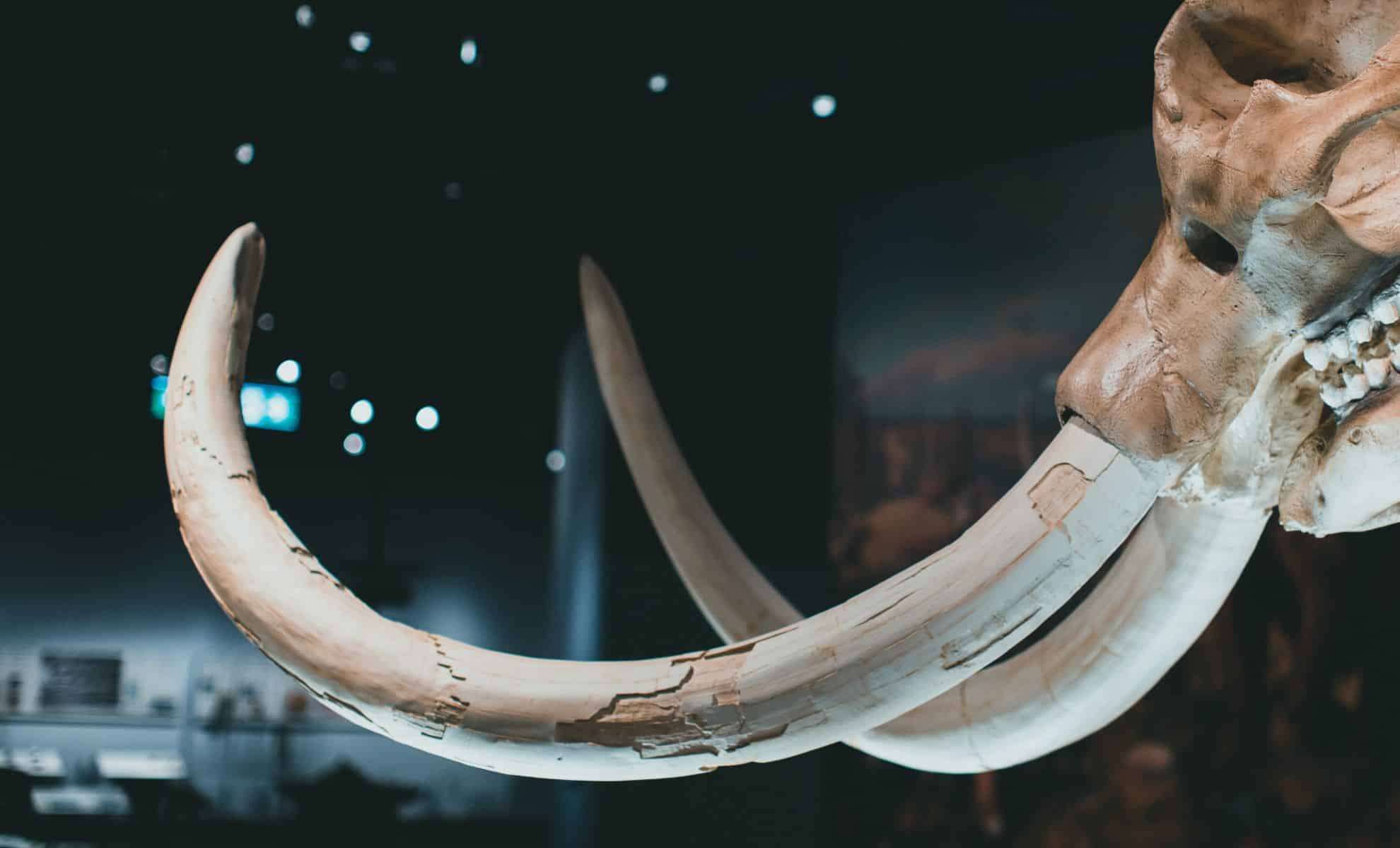
A recent paleontological breakthrough in central Mexico is changing the way scientists view mammoth migration and adaptation during the Ice Age. Published in the journal Science, the research uncovers a previously unidentified lineage of mammoths that inhabited the tropical highlands of today’s Basin of Mexico.
While mammoths are generally linked to cold glacial settings, genetic analysis now indicates that these giant herbivores once thrived in warmer habitats, forming an evolutionary branch distinct from their northern counterparts.
Fossil Treasure Unearthed at Airport Site
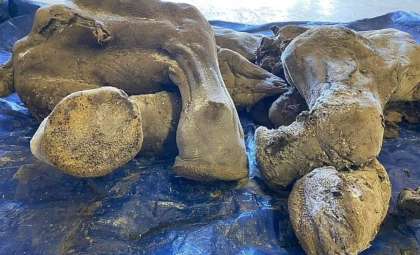
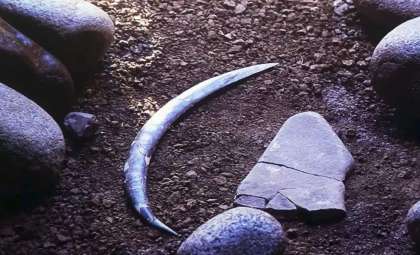
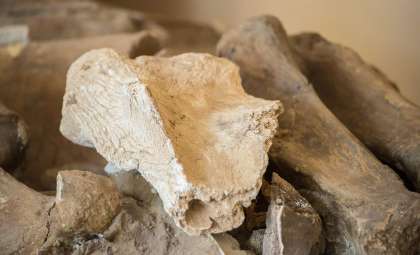
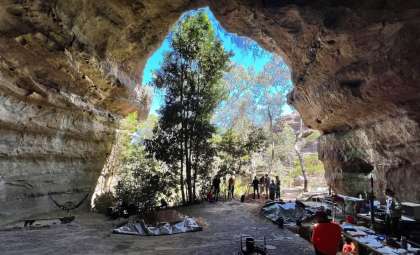
The find originated in late 2019 amid excavation work at the former Santa Lucía Air Force Base, located just north of Mexico City. Construction crews stumbled upon what seemed to be large prehistoric bones, prompting extensive archaeological digs. Subsequent efforts uncovered remains from over 200 individual mammoths, mainly Columbian mammoths (Mammuthus columbi), along with numerous extinct animals.

Situated near the recently inaugurated Felipe Ángeles International Airport, this site rapidly gained recognition as one of the most significant Ice Age fossil repositories in Latin America. Although Columbian mammoths have been found further south into Central America before, the sheer volume and state of preservation at Santa Lucía are exceptional.
Scientists were especially intrigued by the preserved genetic material, a rare occurrence given the deterioration DNA suffers in warm climates.
Genomic Insights Reveal Distinct Mammoth Group
Thanks to excellent DNA conservation, researchers from the National Autonomous University of Mexico successfully sequenced ancient DNA from 73 mammoth specimens at Santa Lucía, plus 10 more from nearby Tultepec. Their data were compared with DNA sequences from mammoths discovered in North America and northern Eurasia, including Arctic woolly mammoths.
The analysis uncovered a pronounced genetic divergence: the Mexican mammoths represent a deeply separate lineage from those found further north. The divergence likely occurred somewhere between 416,000 and 307,000 years ago. Since then, the two groups appear to have remained mostly isolated, with little evidence of interbreeding.
This extended separation implies that the Columbian mammoths in central Mexico evolved into a unique evolutionary line. Adrian Lister, a paleobiologist at the Natural History Museum in London, has posed the question of whether these should still be classified as Columbian mammoths or given a new designation, such as “Mexican mammoth.”
Revealing New Complexity in Mammoth Evolution
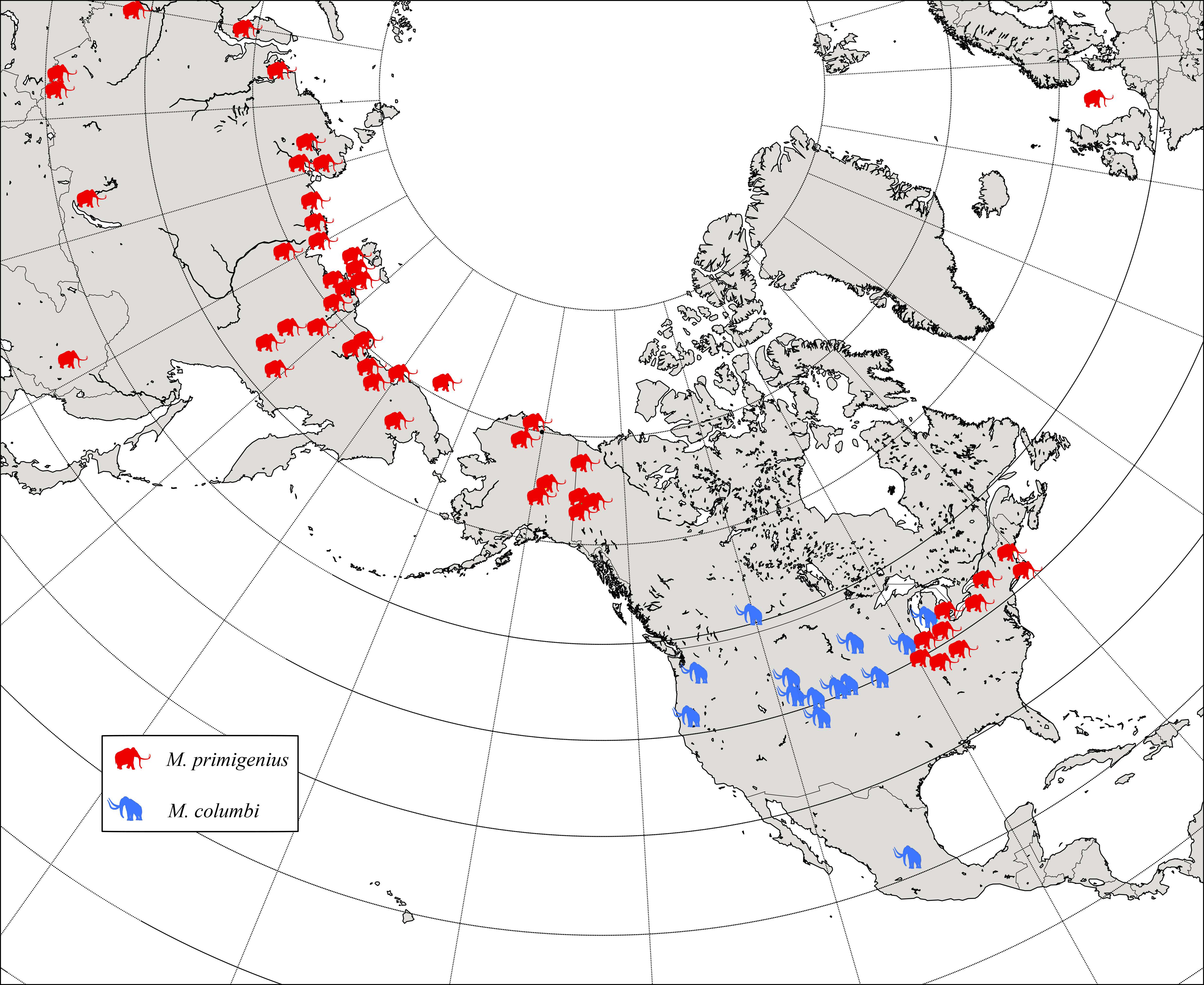
This discovery complicates the mammoth evolutionary story that scientists have pieced together for years. The prevailing view has been that Columbian mammoths originated through hybridization between woolly mammoths (Mammuthus primigenius) and Eurasian steppe mammoths (Mammuthus trogontherii). The latest genetic evidence suggests a far more complex scenario.
Researchers propose that woolly mammoths may have already diverged into distinct genetic groups before mixing with Eurasian species. Alternatively, different woolly mammoth populations might have independently interbred with a steppe mammoth–like lineage at successive times. Both scenarios point to a mosaic of diverse lineages previously unrecognized within what was viewed as a uniform species.
Rather than being exceptions, the mammoths from Mexico might represent an entire separate branch that evolved in the warmer and more southerly environment.
Mammoths Thrived in Warm, Tropical Habitats
Findings from the Santa Lucía site challenge the longstanding belief that mammoths only inhabited cold climates. These Ice Age giants actually flourished in the temperate and tropical zones of central Mexico during the mid-Pleistocene, an area rich in lakes and wetlands, far removed from the icy tundras often associated with their kind.
For the first time, researchers have the opportunity to study mammoths that genetically adapted to such warm environments. This evidence points to a much greater ecological flexibility among mammoths than was previously recognized.
- Categories:
- News






0 comments
Sign in to Comment