
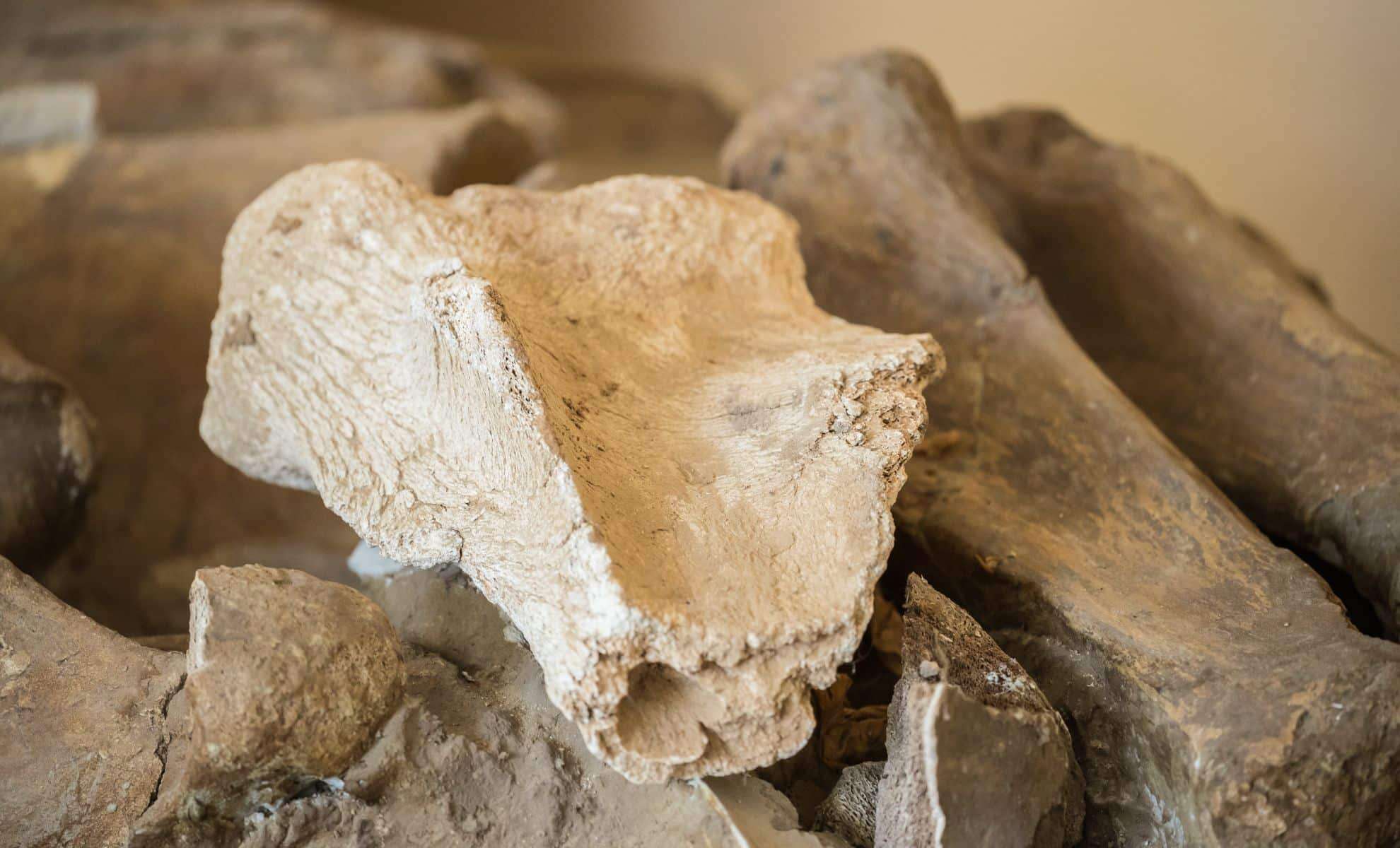
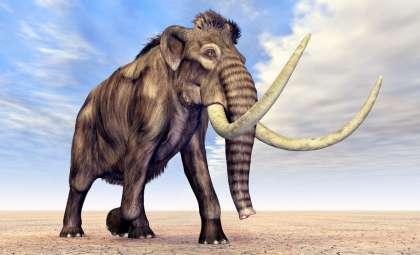
Researchers have identified the oldest known host-related bacterial DNA inside a mammoth that roamed the Earth over 1.1 million years ago, according to a recent publication in Cell. This finding sheds light on the ancient bond between extinct megafauna and the microorganisms that co-evolved alongside them.
Unearthing Secrets from a Million-Year-Old Mammoth Tooth
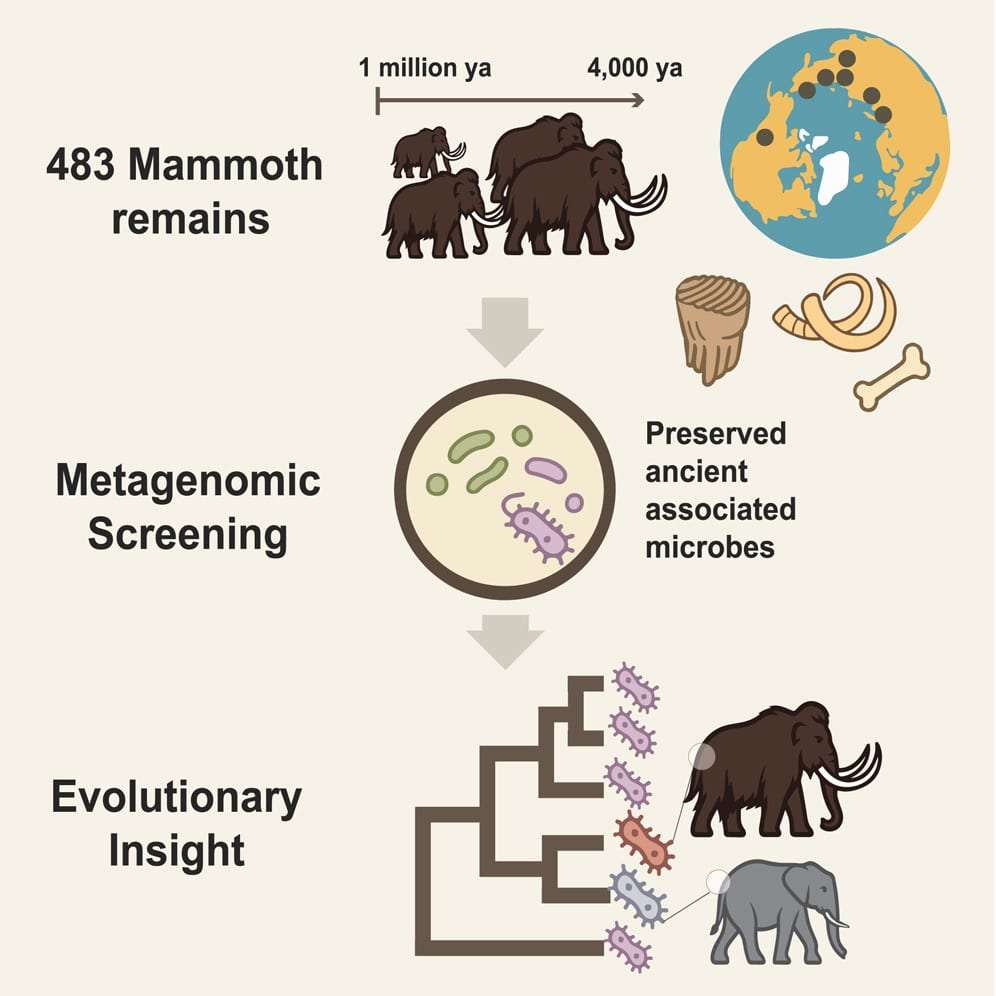
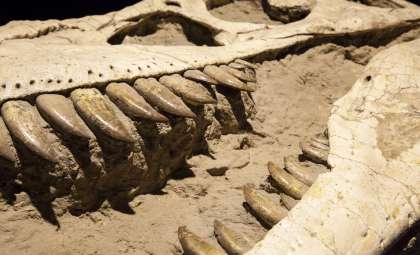
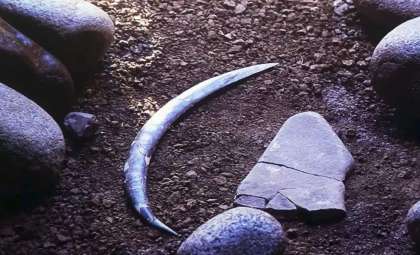
The discovery was made by the Centre for Palaeogenetics in Sweden, a joint effort between Stockholm University and the Swedish Museum of Natural History. They examined DNA samples from 483 mammoth fossils, with 440 specimens newly sequenced in this research. Among these, a particular tooth from a steppe mammoth proved especially valuable.
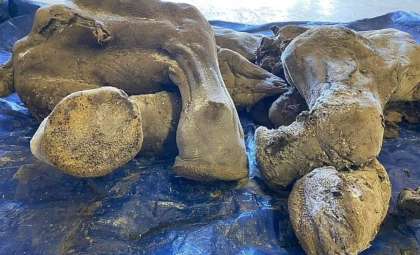
Preserved in Ice Age permafrost, this tooth contained traces of microbial DNA that were part of the mammoth’s original internal ecosystem. These were not contaminants from after the animal’s death, but rather authentic microbial inhabitants during its lifetime. Dr. Benjamin Guinet, a lead postdoctoral researcher on the project, confirms that the presence of viable microbial traces in such ancient dental material is now a demonstrated fact.

Beneficial Microbes and Potential Pathogens
The team identified six recurring types of bacteria across multiple mammoth samples, including relatives of Pasteurella, Streptococcus, Actinobacillus, and Erysipelothrix. Many of these microbes likely formed part of the mammoth’s natural microbiome within the gut or mouth.
Notably, one Pasteurella-related bacterium resembled a modern pathogen responsible for severe infections in African elephants, the closest living relatives to mammoths. This suggests that mammoths may have been susceptible to similar infectious diseases, offering new insights into health issues faced by Ice Age megafauna.
The researchers successfully reconstructed a partial genome of Erysipelothrix, bacteria still known today to cause disease in animals such as pigs and birds. This achievement marks the oldest documented sequencing of host-associated microbial DNA, surpassing previous scientific expectations.
Overcoming the Challenges of Ancient Microbial DNA
Decoding microbial DNA from such an ancient source posed significant challenges. As microbes rapidly evolve, tracing their ancestry across million-year timescales requires navigating a constantly shifting genetic record, as described by senior author Dr. Tom van der Valk. Despite sample degradation and the difficulty of differentiating original microbial residents from post-mortem contamination, the team extracted crucial biological data from the ancient specimens.
These results hint at a deep co-evolution between mammoths and their microbial companions, with some bacteria lineages persisting over vast spans of time and geographic range—from the expansive frozen steppes of Eurasia to the isolated Wrangel Island mammoth populations that existed until about 4,000 years ago, as noted in previous research.
The Broader Significance of Ancient Microbiomes
Professor Love Dalén, another principal investigator on the study, highlights that these findings extend well beyond mammoth biology. “We’re now able to investigate not only the mammoths’ own DNA but also the complex microbial ecosystems they hosted,” he commented. These microscopic organisms may have played crucial roles in the animals’ health, their adaptation to environmental changes, and potentially their extinction.
This research underscores that prehistoric organisms were more than bones and fossils—the microbial life associated with ancient creatures offers a persistent window into their biology and ecology, revealing important clues about past environments and evolutionary histories.
- Categories:
- News


0 comments
Sign in to Comment