
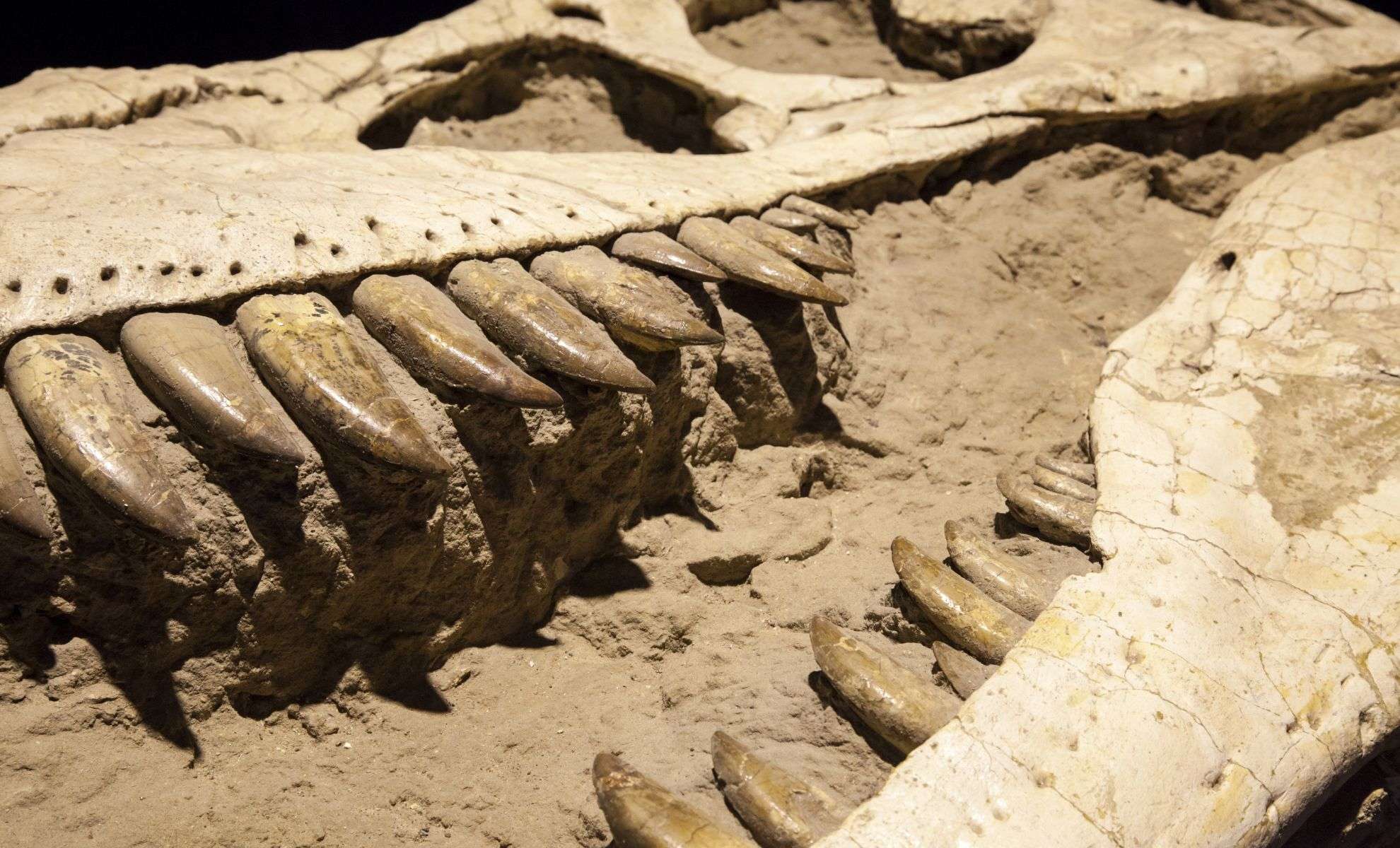
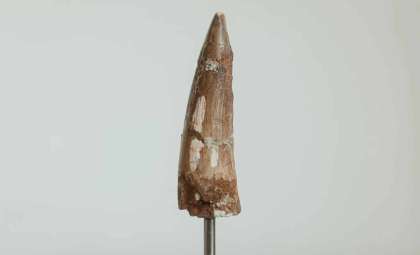
Fossilized dinosaur teeth have become crucial tools in unveiling the dietary habits, coexistence, and migratory patterns of these prehistoric giants.
A recent publication in Nature Ecology & Evolution highlights how microscopic analysis of tooth wear patterns allows researchers to track dinosaur diets and movements dating back more than 150 million years.
Unlocking Stories from Dinosaur Teeth
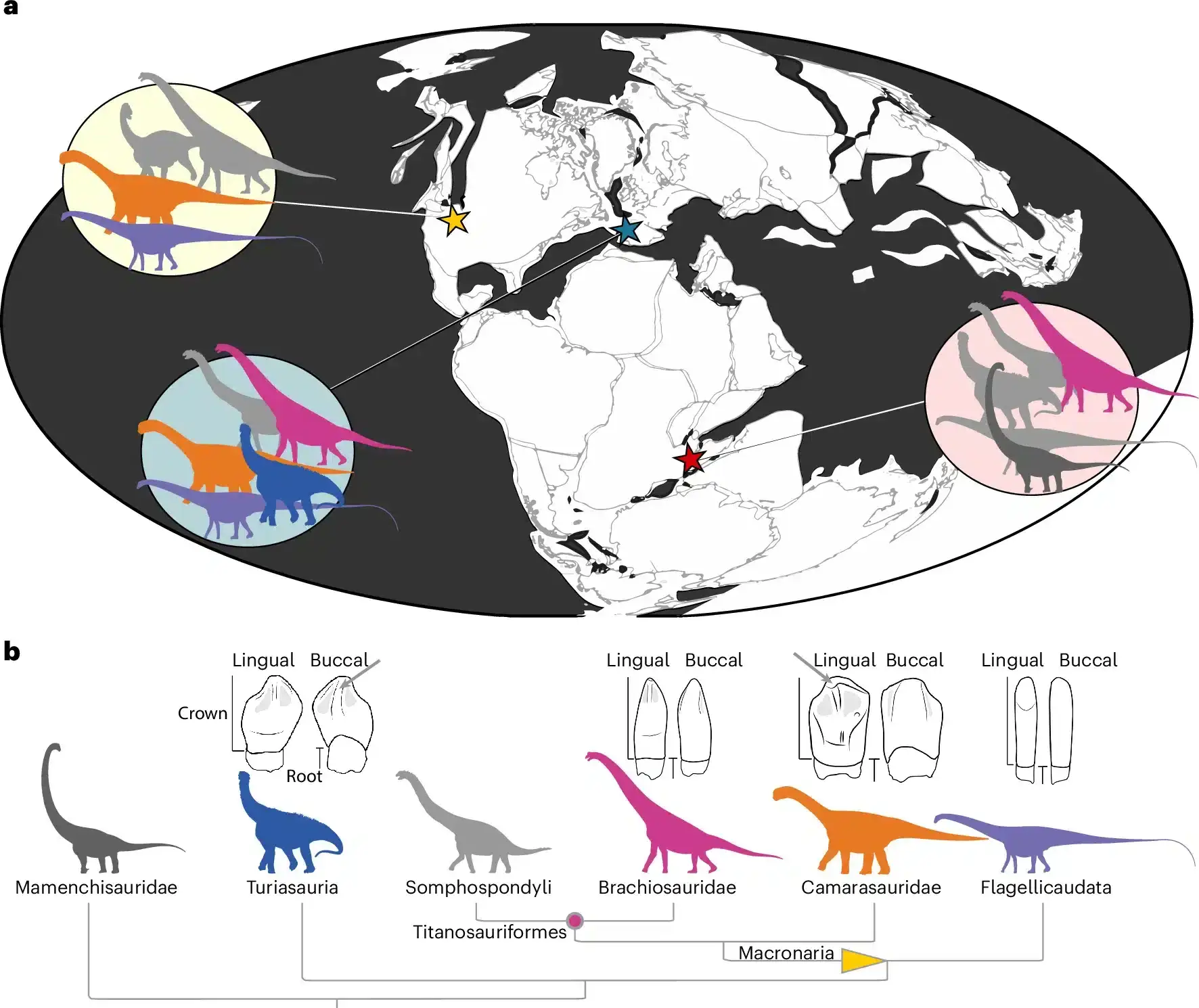
Scientists studied the dental remains of 39 sauropods—the herbivorous, long-necked dinosaurs such as Diplodocus and Camarasaurus—collected from three well-known fossil formations: the Morrison Formation in the United States, Lourinhã Formation in Portugal, and Tendaguru Formation in Tanzania. Using ultra-high-resolution 3D imaging, the team analyzed fine enamel abrasions caused by chewing various types of vegetation.

Despite being only a few micrometers wide, these wear marks provide essential insights. The research revealed that microscopic scratch patterns differed based on species and habitat, offering a window into the lifestyles and survival strategies of these dinosaurs.
This approach, known as Dental Microwear Texture Analysis (DMTA), has its origins in mammalian studies but is now applied comprehensively to dinosaurs for the first time. Dr. Daniela Winkler, the project’s lead, explains that these minute tooth markings essentially record the animals’ diets during the last days or weeks of life.
Environmental Impact Reflected in Tooth Wear
Distinct wear variations among regions point to climate playing a pivotal role in shaping sauropod feeding behaviors. Tanzanian dinosaur teeth exhibited significantly more abrasion compared to those from Portugal and the United States. This is attributed to semi-arid ecosystems and proximity to deserts, where quartz sand likely coated the vegetation, accelerating tooth wear.
Meanwhile, sauropods in Portugal and the U.S. inhabited areas with pronounced seasons but less abrasive terrain. Notably, fossils of Camarasaurus from both continents show remarkably similar wear patterns, indicating these huge herbivores probably consumed comparable plant species year-round.
Given that plant availability changes with seasons, scientists hypothesize these dinosaurs may have engaged in seasonal migrations in search of food. In contrast, Diplodocus displayed highly varied wear patterns, suggesting a more adaptable feeding behavior.
Chemical Evidence Supports Dietary Differences
A complementary study published in Palaeogeography, Palaeoclimatology, Palaeoecology investigated the chemical composition of tooth enamel from Diplodocus, Camarasaurus, and Camptosaurus using calcium isotope analysis. This technique provided clues not only about their diets but also about the specific plant parts—such as tender leaves or woody bark—they preferred.
The findings revealed that Camptosaurus favored tender vegetation like buds and leaves, while Camarasaurus primarily consumed woody plants, particularly conifers. True to its dietary flexibility, Diplodocus ate a varied mix, ranging from delicate horsetail plants to tougher leafy greens. Its long neck likely enabled it to access both low-lying and elevated food sources, expanding its options.
These dietary habits align with wear patterns, demonstrating that these herbivores partitioned their food sources to reduce competition. Such niche differentiation explains how multiple large plant-eaters coexisted without exhausting resources.
Liam Norris, recently graduated from the University of Texas Jackson School of Geosciences and lead author of the isotope study, remarked, "This further confirms how extraordinary this ancient ecosystem truly was."
Innovative Techniques Reveal Dinosaur Lives
With advanced methods like DMTA and isotope analysis, paleontologists are gaining insights far beyond physical appearance. The emerging details about migration patterns, specialized diets, and feeding behaviors enrich our knowledge of dinosaur ecology, all pieced together from fossilized teeth.
Dr. Emanuel Tschopp observed that these breakthroughs allow scientists to "make behavioral inferences about these massive extinct creatures." He added, "While still in the early stages, combining paleontology with modern technology and interdisciplinary work is unlocking captivating windows into prehistoric life."
- Categories:
- News





0 comments
Sign in to Comment