
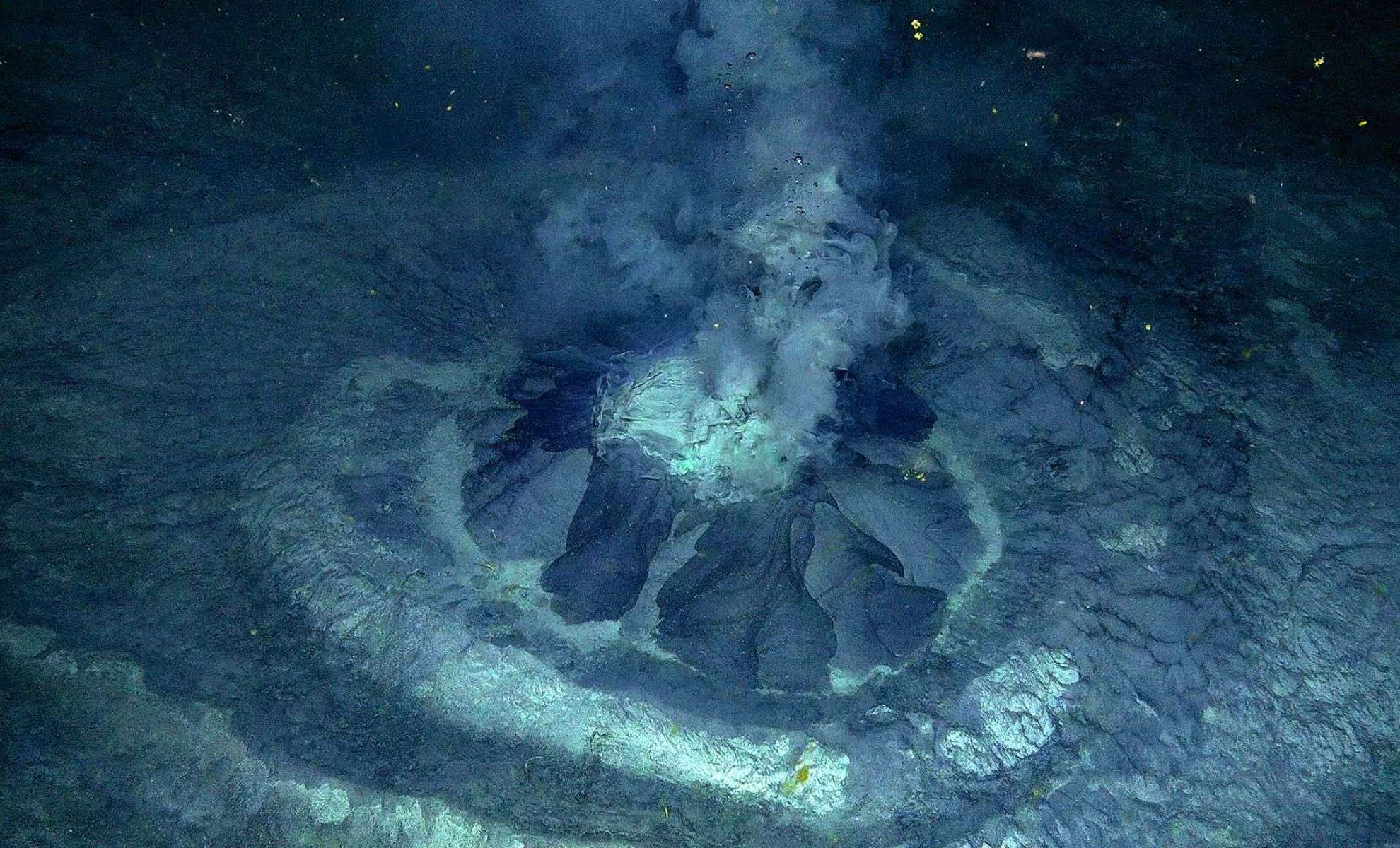
Scientists conducting research beneath the Barents Sea waves have identified a compelling new geological formation: an undersea mud volcano originating from the end of the last Ice Age. Situated roughly 70 miles south of Norway’s Bear Island, this remarkable feature has been hailed by Arctic scientists as a “hidden gem.”
A Groundbreaking Geological Discovery
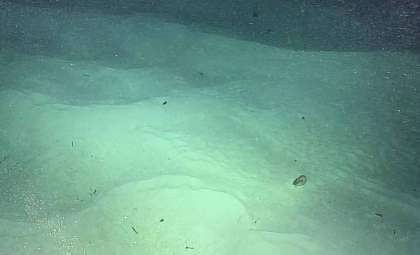
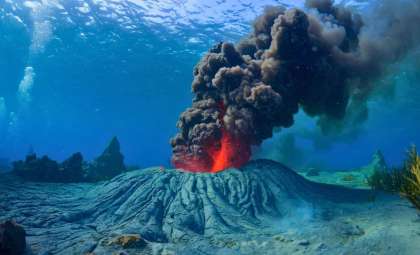
The finding emerged from an expedition organized by UiT The Arctic University of Norway. While mapping the seafloor, the research group uncovered a vast crater believed to have formed about 18,000 years ago at the close of the Ice Age. Nestled within this depression, scientists located a submarine volcano lying 400 meters under the surface that actively emits mud and methane from deep earth layers.
Named the Borealis Mud Volcano, this rare underwater structure offers invaluable scientific insight. “Exploring these methane seeps underwater is akin to discovering hidden treasures,” said Stefan Buenz, a UiT researcher and co-leader of the mission. “Every dive makes it clear that our understanding of such diverse systems has only just begun.”

Mud volcanoes such as Borealis serve as natural portals into the Earth's interior. By expelling sediment, water, and gases from hundreds of meters beneath the Earth’s crust, these formations allow researchers to gain valuable knowledge about ancient conditions and inner planetary workings.
The Origins of the Borealis Mud Volcano
Scientists believe the Borealis Mud Volcano formed following a natural blowout event soon after the Ice Age ended, which released large volumes of methane gas abruptly. The crater, measuring approximately 300 meters across and 25 meters deep, is not only of geological importance but also supports a thriving ecosystem. Its steep, rocky edges provide habitat for diverse marine species including sea anemones, starfish, corals, and even predatory sponges.
This distinct environment flourishes through the presence of carbonate crusts formed over millennia. These crusts create a resilient shelter for varied wildlife, protecting them from human risks such as trawling, which commonly damages delicate ecosystems in deeper ocean zones.
Reflections on the Discovery
Witnessing the underwater eruption firsthand left the researchers deeply impressed. “Observing a submarine volcanic event is a vivid reminder of how dynamic our planet truly is,” remarked Professor Giuliana Panieri, lead scientist of the project. The eruption at the Borealis Mud Volcano highlights Earth’s ever-evolving geological activity.
This discovery doesn’t only illuminate Earth’s history but also holds significance for future conservation. As Alex Rogers, Science Director at REV Ocean, pointed out, “These blowout craters act as vital refuges, sheltering fragile marine species like corals and sponges from human disturbances such as bottom trawling.”
Erasmus student Irena Violan at UiT expressed her excitement: “Having only experienced mud volcanoes on land before, encountering this underwater one was incredible. The team’s joy and amazement were palpable when we saw it on screen. My immediate thought was, ‘I want to dive down and put my hand in it!’”
This extraordinary find opens promising pathways for ongoing and future research into similar geological phenomena, not just on Earth but potentially across other planets as well.
- Categories:
- News


0 comments
Sign in to Comment