
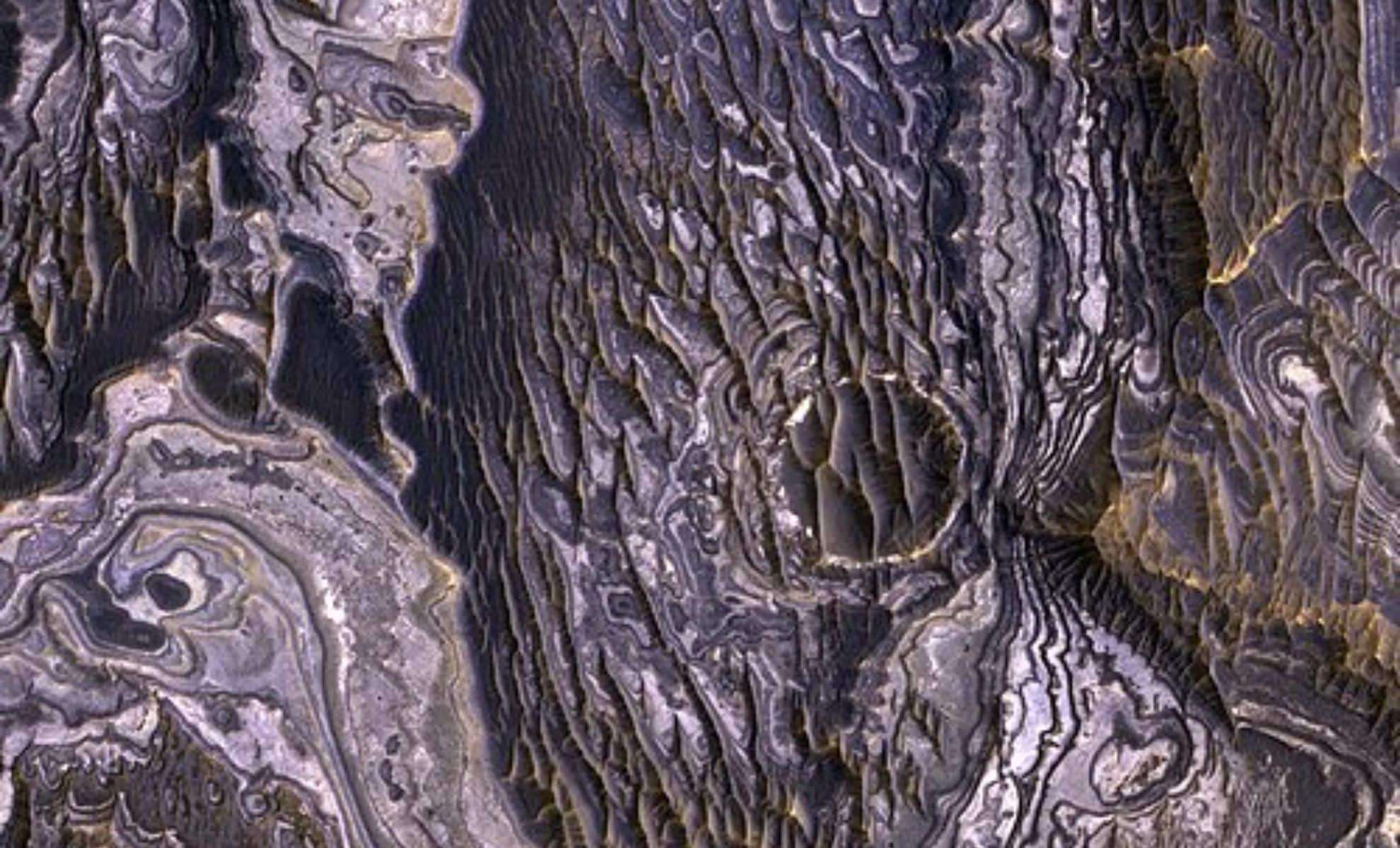
A groundbreaking finding on Mars is altering how scientists view the planet’s history and its ability to host life. Researchers have identified ferric hydroxysulfate, a mineral not previously known to exist on Mars, through data collected by the Mars Orbiter. Analysis by experts at the SETI Institute, published in Nature Communications on August 5, 2025, strengthens the theory that Mars could have once offered habitable conditions. This discovery, alongside NASA’s Perseverance rover’s detection of kaolinite, supports the idea that Mars was once more Earth-like than previously thought.
Dissecting the Ferric Hydroxysulfate Detection
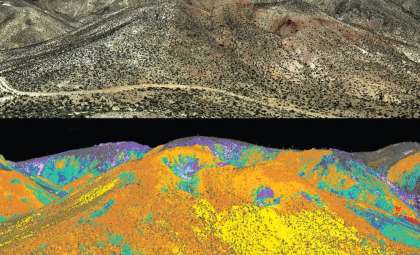
Identified through advanced spectroscopic methods, ferric hydroxysulfate (Fe3+SO4OH) was detected by examining light reflections from the Martian surface. The team utilized data from the Compact Reconnaissance Imaging Spectrometer for Mars (CRISM), an instrument aboard the Mars Orbiter, which revealed distinctive light patterns corresponding to this mineral. Remarkably, this mineral discovery was made via orbital observations rather than on-site rover analyses, marking a notable advance in remote planetary research.
Ferric hydroxysulfate's formation requires the simultaneous presence of water, iron, and sulfur, signaling a chemically dynamic and aqueous Mars in its past. These elements’ involvement often associates with life-sustaining environments on Earth, making this mineral a key indicator in the hunt for ancient Martian life.

Geological Impact of This Identified Mineral
The coexistence of iron, sulfur, and water vital for ferric hydroxysulfate indicates Mars may have experienced volcanic and geothermal activity, creating conditions of high temperature and acidic environments. These conditions likely contributed to altering Martian minerals, resembling aspects of early Earth’s active and chemically rich surface.
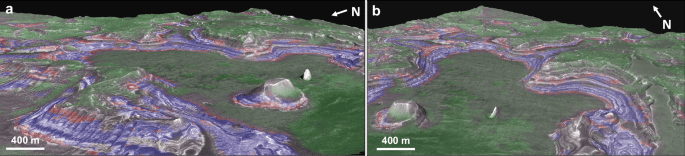
Scientists propose that these minerals developed in Martian locales such as Juventae Chasma and Aram Chaos, parts of the expansive Valles Marineris canyon system near the equator. This geologically complex area offers vital insights into Mars’ environmental evolution. By comparing Mars’ spectroscopic signatures with similar mineral formations on Earth, the SETI researchers confirmed that ferric hydroxysulfate’s presence on Mars is unprecedented.
Connecting This Breakthrough With Recent Martian Studies
This finding complements earlier research, such as NASA’s Perseverance rover’s detection of kaolinite, linked to warmer, wetter periods on Mars. Kaolinite's presence points to the existence of ancient lakes or water bodies. Combined with evidence of extinct river channels and delta formations, the new mineral discovery reinforces the envisioning of a once habitable Mars capable of supporting microbial ecosystems or at least possessing chemical conditions favorable for life.
Ongoing scientific work is building a clearer picture of Mars as a planet that may have hosted life billions of years ago. The minerals found likely date back to the Amazonian period, which spans the last few billion years, a crucial phase during which significant mineral transformations occurred.
Advancing the Quest for Life on Mars
While discovering ferric hydroxysulfate marks a significant advance, it also opens new avenues for exploration focused on the mineral’s origin locations. Regions like Juventae Chasma and Aram Chaos stand out as promising candidates for future missions aimed at uncovering Mars’ water-rich volcanic past.
Scientists are not only searching for ancient biosignatures but are also investigating Mars’ potential to sustain future human missions, given compelling evidence of subsurface water reservoirs. As technological capabilities improve, further orbital and surface missions will deepen our understanding of Mars’ evolutionary story and its capacity to harbor life.
- Categories:
- News





0 comments
Sign in to Comment