
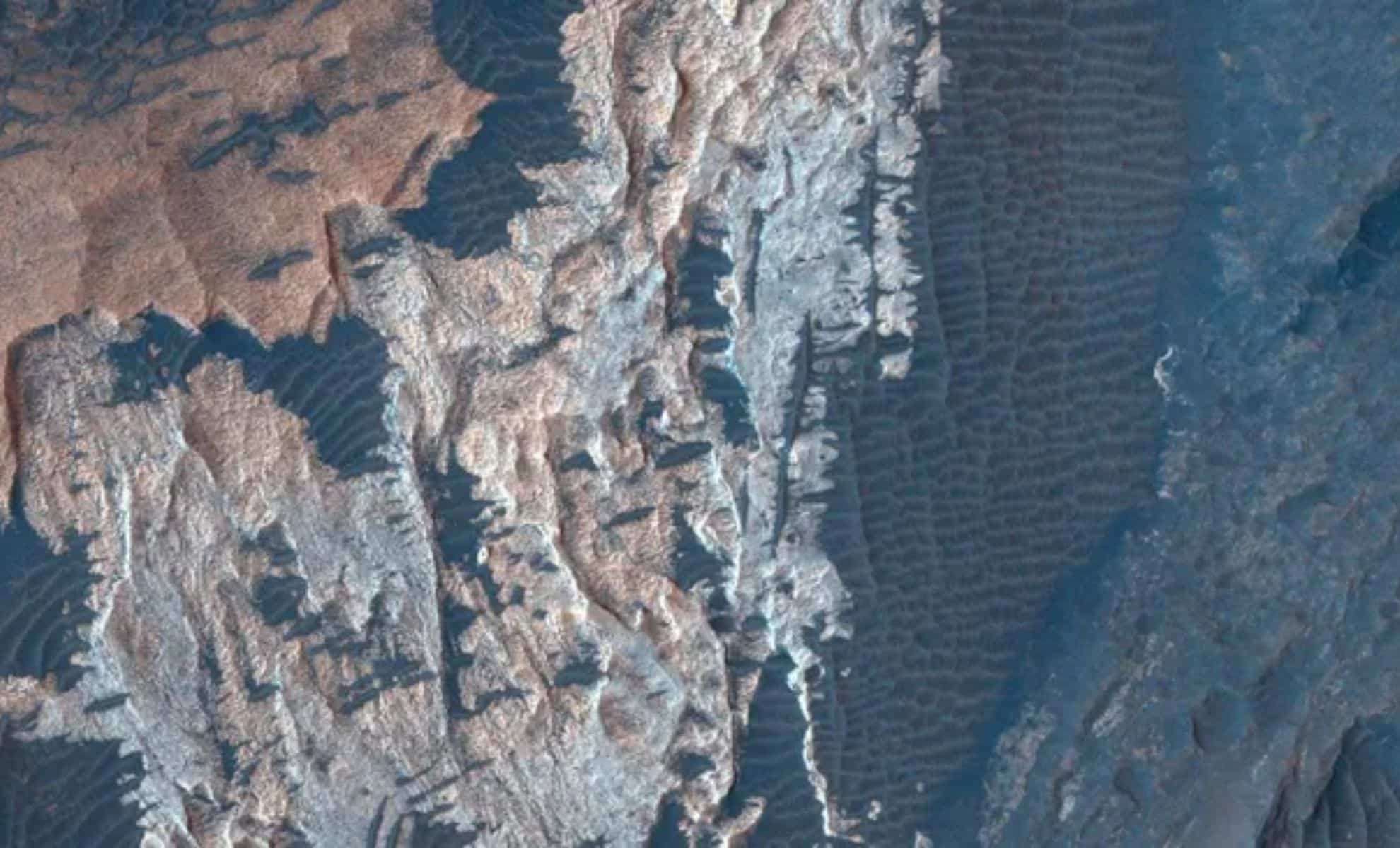
Planetary scientists are once again challenged by surprising new data from Mars. Recent findings, published on August 5 in Nature Communications, reveal a peculiar substance identified in select Martian locations that may represent a previously unknown mineral absent from Earth’s geology. The investigation, spearheaded by experts from the SETI Institute and NASA Ames Research Center, focused on unique iron sulfate formations found within the vast Valles Marineris canyon complex and other key geological sites. By integrating spectral observations from orbit with laboratory simulations, the team devised a scenario indicating that Mars has experienced chemical and thermal activity more recently than earlier estimates suggested—offering fresh perspectives on the planet’s geological and potentially biological history.
Distinctive Spectral Features in Martian Canyons
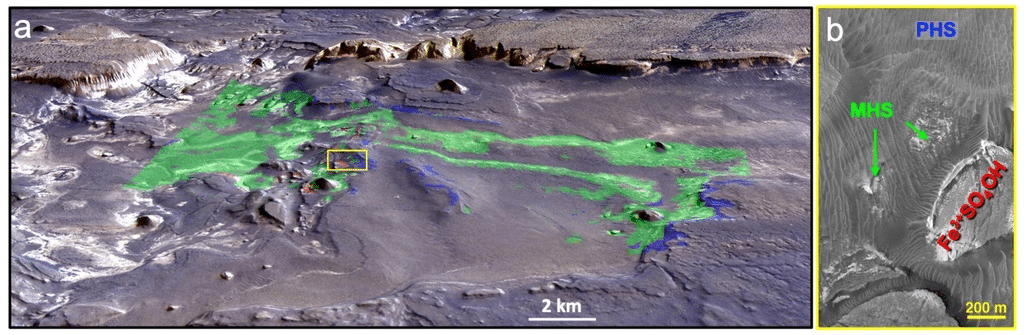
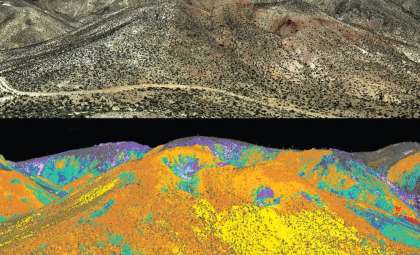
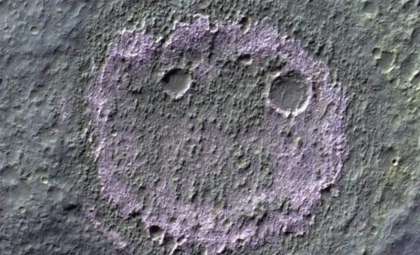
The study commenced with detailed remote sensing of Martian terrain, concentrating on regions abundant in sulfate minerals. Utilizing high-resolution spectrometers aboard Martian orbiters, researchers identified anomalous spectral bands hinting at the presence of a ferric hydroxysulfate mineral. These unique signatures differed noticeably from the widespread sulfates commonly detected on Mars. “Our analysis targeted two sulfate-rich areas near the extensive Valles Marineris canyon system, where unusual spectral bands were observed from orbit, alongside layered sulfates and compelling geological formations,” Bishop explained. Locations like Juventae Chasma and Aram Chaos, well-known for their stratified deposits and evidence of former water flow, were also included. The uniform detection of these spectral signals across geographically distant locations implies that this mineral formation is likely a widespread phenomenon rather than a localized curiosity.
From Spectral Data to Laboratory Confirmation
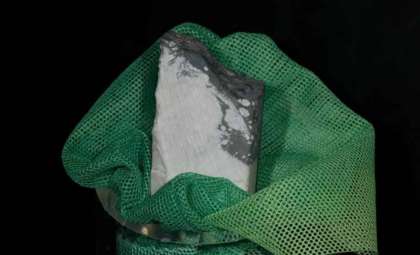
Confirming a new mineral from remote sensing data is a complex process. To explore their hypothesis, scientists simulated Martian environmental conditions in the lab to observe how ferric hydroxysulfates might develop. Results demonstrated that heating hydrated ferrous sulfates in an oxygen-rich atmosphere triggers their conversion into ferric hydroxysulfate. This lab-produced mineral exhibited characteristics not yet documented in terrestrial minerals. “The crystal structure and thermal behaviors observed suggest this compound is likely a previously unidentified mineral,” Bishop noted. “Nevertheless, to officially designate it as new, it must also be discovered on Earth.” These controlled experiments replicated the orbital findings and hint at when such mineralogical changes could have occurred on Mars, implying relatively recent geochemical activity.

Insights into Mars’ Recent Chemical and Thermal Dynamics
These discoveries deepen knowledge of Mars’ environmental evolution. Should ferric hydroxysulfate be confirmed, it would indicate a complex interaction between heat, water, and atmospheric oxygen on Mars, likely persisting long after the planet’s atmosphere thinned. “Our results point toward Mars maintaining chemical and thermal activity more recently than previously assumed, which reshapes ideas on the planet’s surface vitality and its potential for past life,” officials from SETI stated. This mineral may record past events involving groundwater circulation, geothermal heating, or impact-triggered temperature increases that reshaped the surface. Studying these minerals enables researchers to reconstruct Mars’ late-stage geological processes and refine assessments of its habitability. Moreover, it bolsters the case for upcoming missions to directly sample these unusual sulfate-rich areas for deeper analysis.
- Categories:
- News







0 comments
Sign in to Comment