
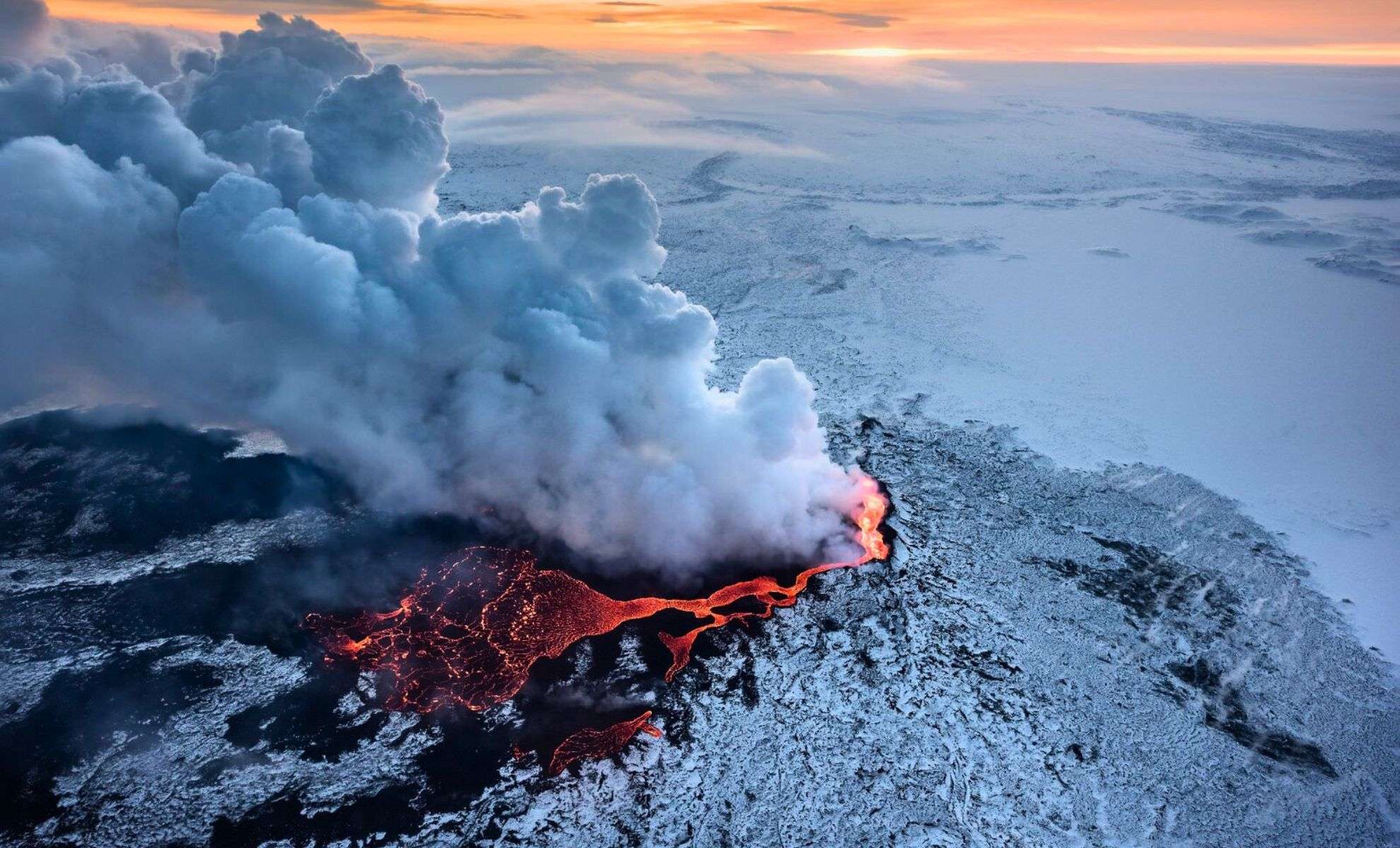
An increase in volcanic eruptions has been observed on Iceland’s Reykjanes Peninsula, marking the revival of a faultline dormant for centuries. Recently, lava flows have impacted the town of Grindavík, causing damage to infrastructure and prompting emergency interventions. Experts caution that this may represent the start of an extended volcanic phase in the area.
A Dormant Faultline Comes Alive After Hundreds of Years
Located on the Mid-Atlantic Ridge, Iceland is positioned where the Eurasian and North American plates gradually separate. This tectonic activity fuels much of the island’s volcanism, yet the Reykjanes region remained inactive for close to eight centuries. This period of calm ended in 2021, when eruptions resumed after a long hiatus.
Since the initial eruption, there have been four more, with the two latest events occurring within a month of each other near Grindavík. Volcanology experts suggest this pattern may persist. Patrick Allard from the Institut de Physique du Globe de Paris explained that the area is undergoing a renewed geological phase that could extend over many years or even decades.

Details on the Latest Eruptions and Their Effects
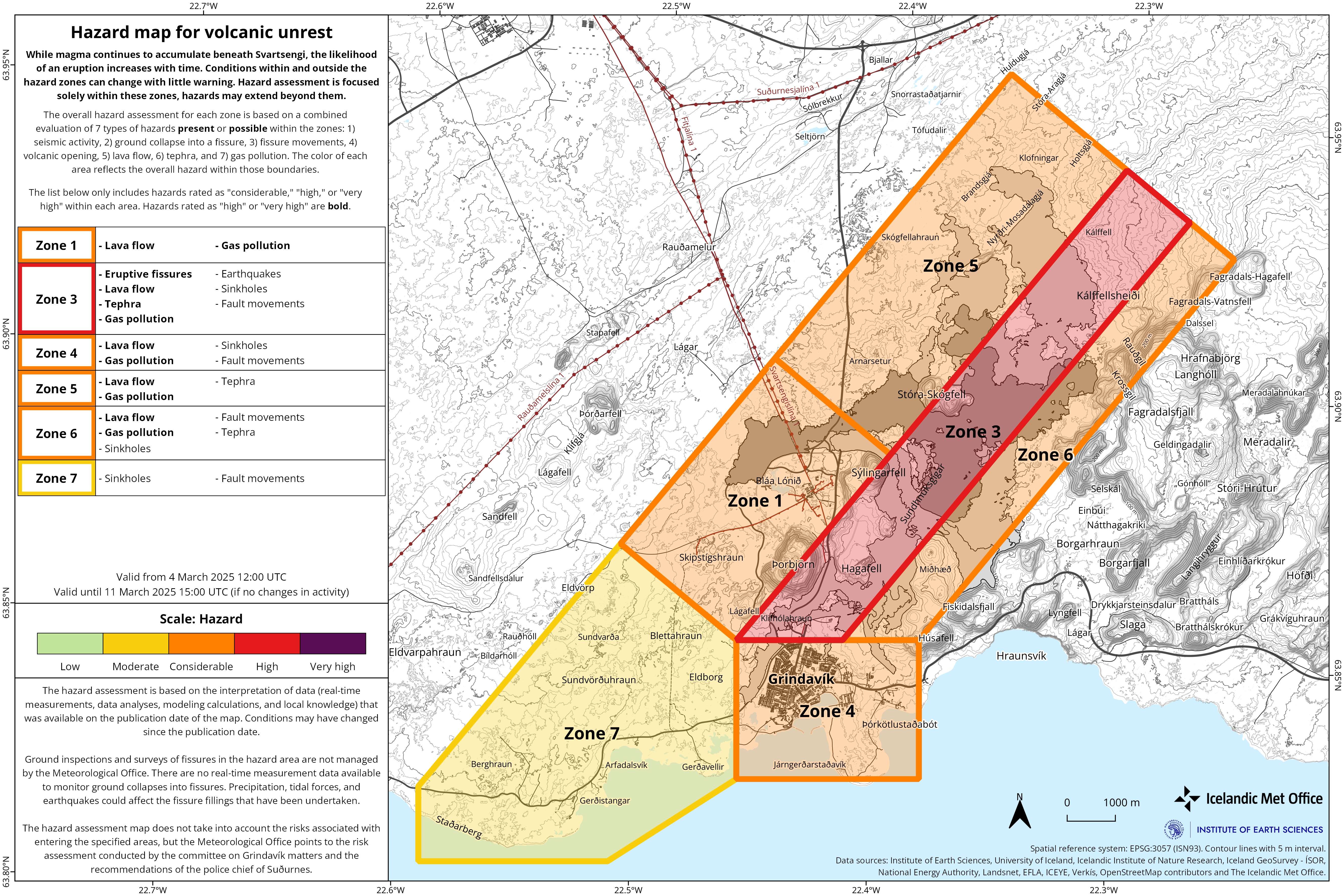
The eruption on March 3, 2024 was sudden, with molten lava emerging swiftly from ground fractures and covering parts of Grindavík, a coastal fishing community southwest of Reykjavik. Prior evacuations minimized risk to human life.
An earlier eruption in February 2024 also occurred unexpectedly, reinforcing the view that magma is building pressure just beneath the surface, ready to erupt sooner rather than later.
Though these eruptions have been comparatively modest in scale, their increased frequency hints at ongoing volcanic unrest. Unlike the explosive 2010 Eyjafjallajökull event, which caused widespread ash clouds and air traffic disruption across Europe, the current activity primarily involves lava flows without significant ash emissions.
Implications for Infrastructure and Tourism
Concerns remain over eruptions’ proximity to vital facilities. The Svartsengi geothermal power station, providing electricity and water to nearly 30,000 residents, is located near the active zone. Should volcanic activity heighten, protective measures may be necessary.
Tourism, a key sector in Iceland’s economy, is also facing challenges. The renowned Blue Lagoon geothermal spa has been shut temporarily due to the ongoing volcanic hazards.
Officials must evaluate the long-term safety and feasibility of maintaining tourism ventures in this volatile environment if eruptions persist.
Looking Ahead: Uncertain Volcanic Future
Forecasting upcoming eruptions remains complex. Although geothermal monitoring tracks subsurface magma movements, the recent rapid onset of events highlights unpredictable behavior patterns in the region.
An additional risk is the possibility of an undersea eruption. Contact between molten lava and ocean water can trigger violent steam-driven explosions, potentially injecting ash clouds into the atmosphere. Should this occur, disruptions to air travel, similar to those experienced during 2010, could arise.
- Categories:
- News








0 comments
Sign in to Comment