
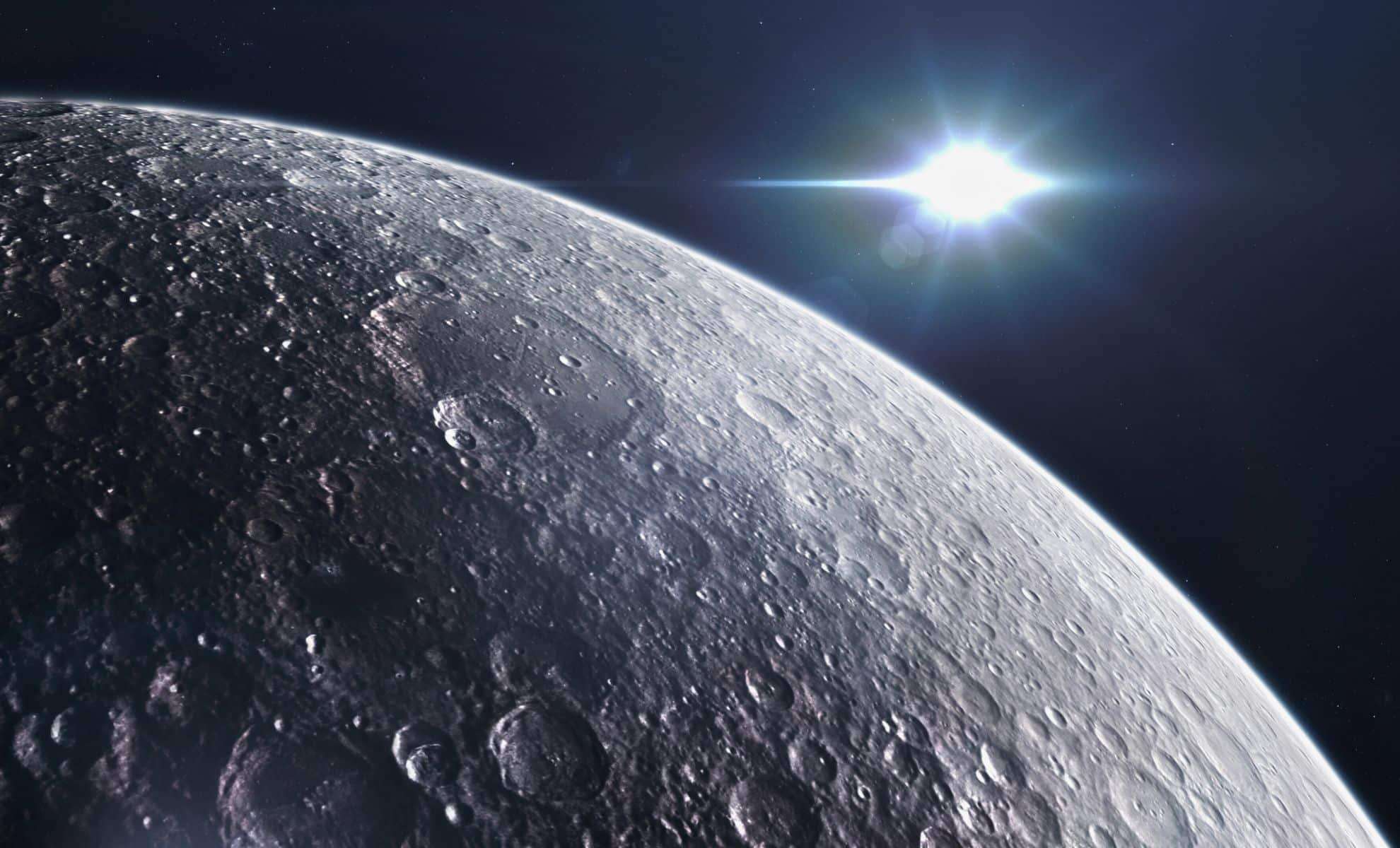
For a long time, the Moon was considered a geologically inactive globe, its terrain unchanged for billions of years. However, recent research indicates that lunar activity occurred far more recently than previously assumed—possibly as recent as 14 million years ago. While that is ancient on a human scale, it represents a mere instant in the Moon's 4.5-billion-year history.
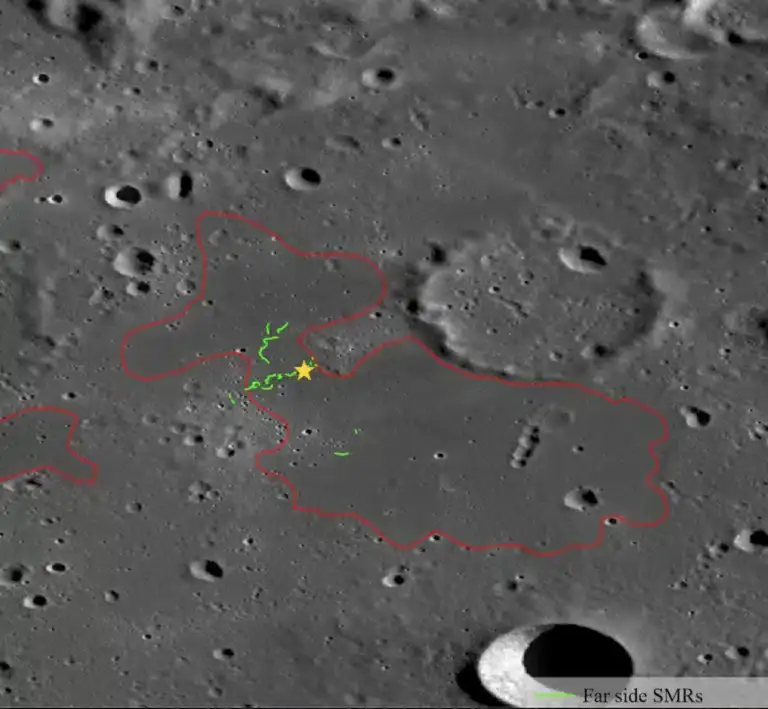
Experts from the University of Maryland (UMD) employed sophisticated imaging and mapping tools to identify 266 previously unnoticed ridges on the Moon's far side. These features, scattered near the lunar maria—vast basaltic plains formed from ancient lava flows—point to ongoing tectonic shifts caused by the Moon's gradual shrinkage and cooling.
This finding overturns the traditional view that lunar geological processes halted billions of years ago, suggesting the Moon’s crust remains more active than once believed. It also opens up new avenues for understanding tectonics on airless planetary bodies, benefiting upcoming lunar exploration efforts.

Fresh Insights into Lunar Tectonic Movement
Previously, it was widely accepted that the Moon's tectonic and volcanic activities ended roughly 2 to 3 billion years ago, when its molten core solidified. New evidence however points to tectonic shifts continuing far beyond that timeline.
Jaclyn Clark, a geologist at UMD, states, “The conventional thought is that most geological activity ceased around two to three billion years ago, but our observations show some ridges are much younger, formed within the last 200 million years, indicating ongoing tectonic dynamics.”
Their research focuses on detailed studies of impact craters intersected by ridges, proving that these lunar features developed after crater formation—solid evidence of relatively recent tectonic activity.
Ongoing Transformations of the Lunar Crust
The newly identified ridges on the Moon’s far side illustrate how its surface continues to change as it contracts and cools—akin to how a grape wrinkles as it dehydrates into a raisin, but on a cosmic scale.
By mapping these features, researchers discovered they cluster around the lunar maria, dark plains formed from ancient lava released following massive asteroid impacts billions of years ago.
The presence of ridges crossing impact craters demonstrates that the lunar surface has remained tectonically active long after those impacts. “Older surfaces accumulate more craters,” explains Clark. “Since ridges cut across some craters, we conclude these landforms emerged within the last 160 million years.”
One remarkable example reveals ridges intersecting a crater as young as 14 million years, marking the freshest evidence of tectonic activity on the Moon.
Highlights of Recent Lunar Surface Shifts
Implications for Upcoming Missions to the Moon
The revelation that the Moon remains geologically active—or has been until recently—is significant for space exploration plans. Surface shifts must be considered in several areas, including:
- Designing lunar habitats that can withstand gradual crustal movements over time.
- Monitoring seismic events (“moonquakes”) to better understand the Moon’s interior composition.
- Comparative planetology, enhancing knowledge of geological processes on other rocky planets and exoplanets.
Although the Moon lacks Earth-like plate tectonics, this discovery confirms it is far less dormant than assumed.
An Evolving Moon: New Perspectives
Once viewed as an inert celestial body, the Moon’s surface is now understood to have experienced geological transformations far more recently than was believed. This challenges long-standing assumptions.
Though debate remains, this study provides compelling evidence that lunar crust deformation has occurred well into the near geological past, possibly continuing today. Continued research will deepen insight into the Moon’s dynamic interior and crustal behavior.
With NASA’s Artemis initiative preparing to return humans to the Moon, future expeditions may directly study these young tectonic features, advancing our understanding of the Moon's evolving nature.
- Categories:
- News




0 comments
Sign in to Comment