
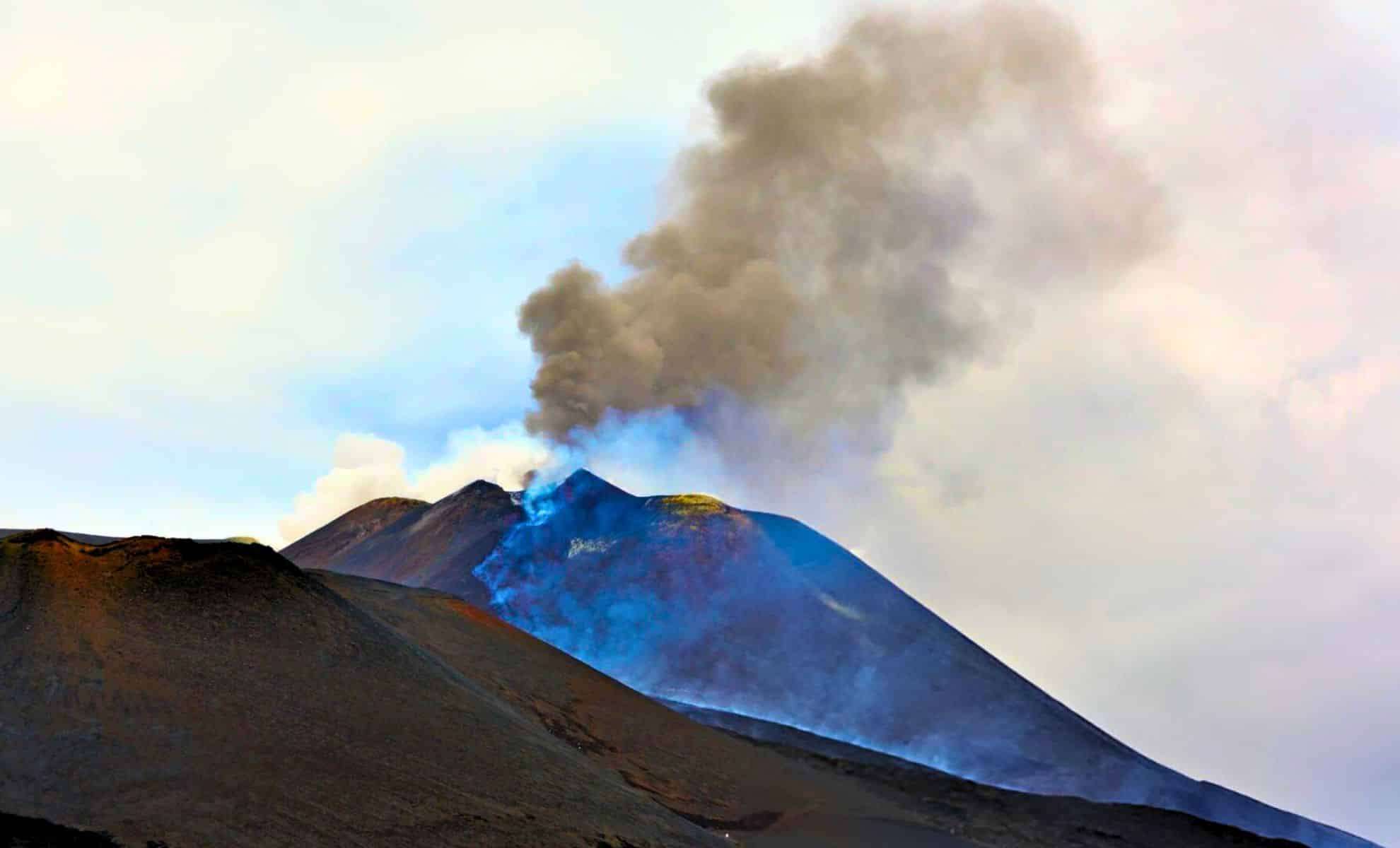
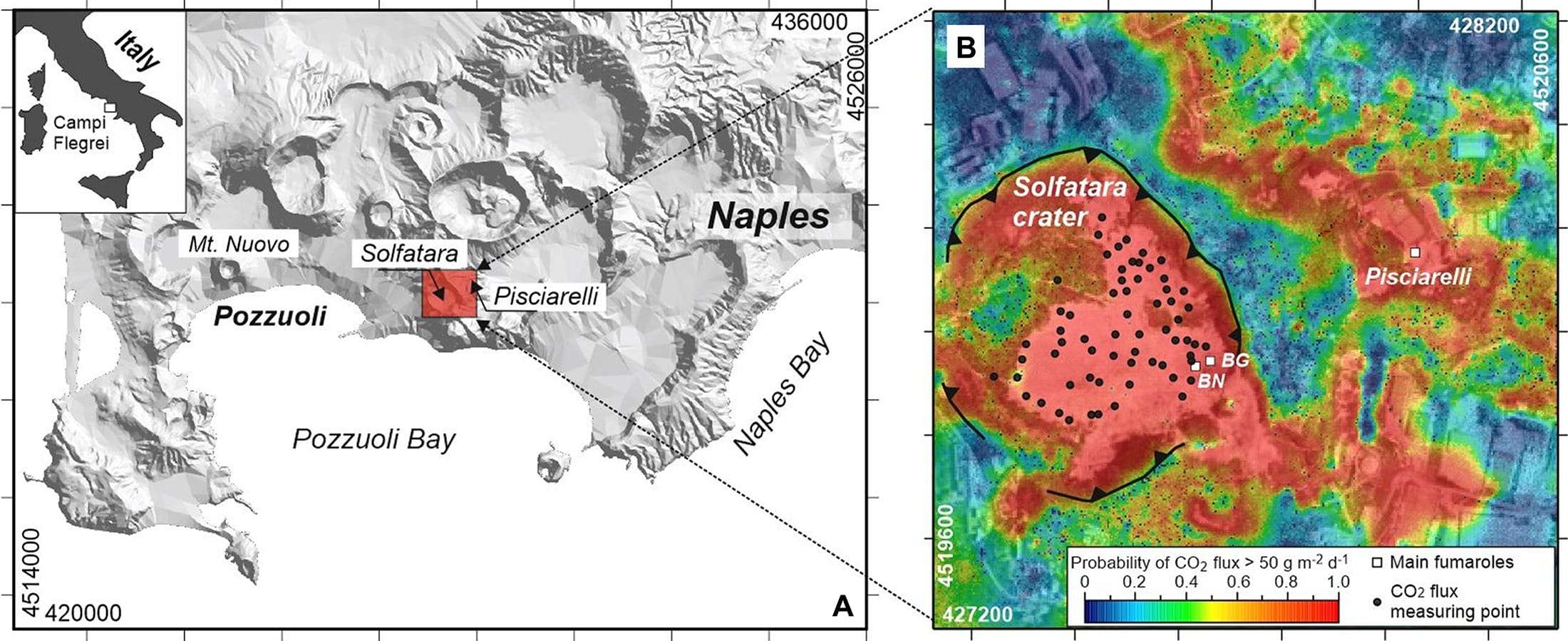
The Phlegraean Fields, an extensive supervolcanic area near Naples, Italy, is exhibiting increasing signs of volcanic unrest. The Solfatara crater, noted for its intense activity, has been releasing escalating volumes of gas since 2005, drawing close scrutiny from both researchers and the surrounding communities. Carbon dioxide emissions here are comparable to burning 500,000 gallons (2,273.05 m³) of fuel each day, signaling potentially significant geological changes.
Rising Gas Emissions: Understanding the Impact
Investigations led by Gianmarco Buono at the Italian National Institute of Geophysics and Volcanology reveal a sharp increase in carbon dioxide output at Solfatara crater. Daily emissions range from 4,000 to 5,000 tons, with approximately 80% emanating directly from underlying magma. The remainder results from interactions between heated subterranean fluids and calcite-rich rocks. This surge prompts urgent research into whether magma levels are rising closer to the surface.
The Threat Posed by Supervolcanoes
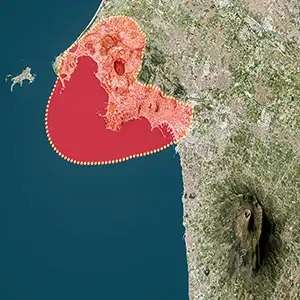
Supervolcanoes such as the Phlegraean Fields can produce eruptions vastly more powerful than ordinary volcanic events, releasing enormous amounts of ash and gases that could envelop the planet and induce severe climate upheavals. Its past includes a cataclysmic eruption approximately 40,000 years ago, marking it as a potential source of future widespread disruption.

Beyond elevated gas emissions, the area has experienced earthquakes and significant surface deformation, suggesting dynamic subterranean processes are underway. These changes have been increasingly evident since 2005, culminating in the volcanic alert level being increased from green to yellow in 2012.
Preparedness in the Face of Volcanic Activity
Scientists stress the importance of differentiating between carbon dioxide released from magma and that produced by chemical reactions involving underground rocks. This distinction is crucial for accurately assessing eruption risks and implementing timely safety measures.
The Phlegraean Fields area clearly illustrates the volatile nature of Earth's geology. While not every increase in activity predicts disaster, vigilance remains essential as the global community watches closely. Whether another cataclysmic eruption is imminent or if the volcano will stabilize remains uncertain, but monitoring continues intensively.
The comprehensive research findings are available in the journal Geology.
- Categories:
- News





0 comments
Sign in to Comment