
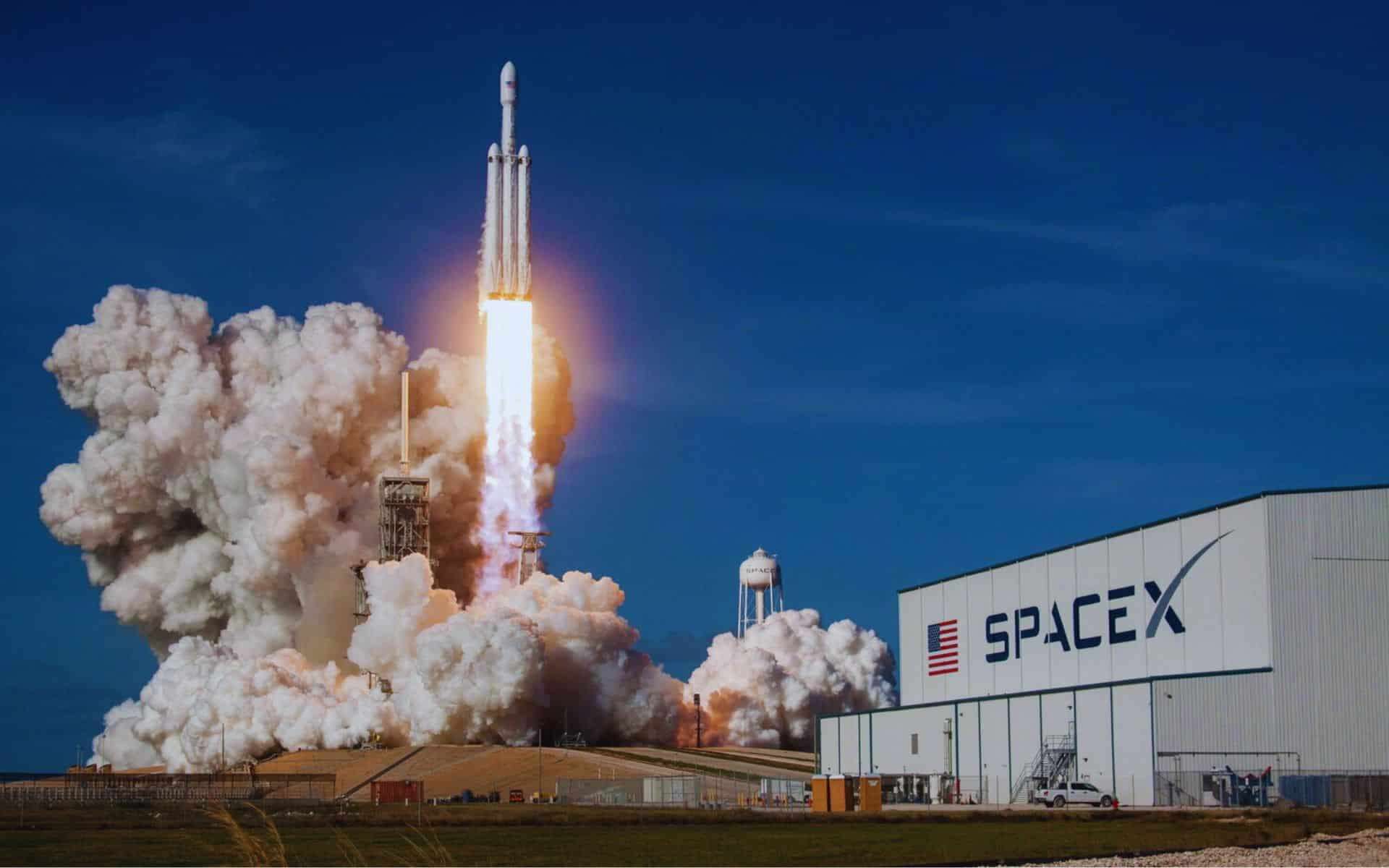
NASA’s Aerospace Safety Advisory Panel (ASAP) has urged strict adherence to safety protocols following multiple technical glitches with SpaceX’s Falcon 9 rocket and Dragon spacecraft as launch rates climb.
At the panel’s October 31 session, former astronaut and ASAP member Kent Rominger reviewed a series of 'recent incidents' involving SpaceX’s Falcon 9 and Dragon systems. He stressed the pressing need for rigorous safety scrutiny due to SpaceX’s accelerated launch cadence.
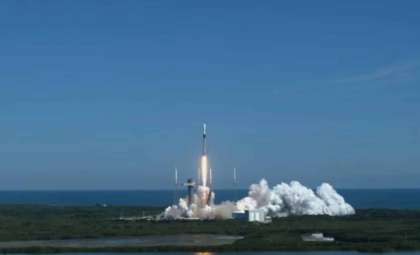
Falcon 9 Technical Challenges in Recent Months
Rominger recounted a number of setbacks, including:

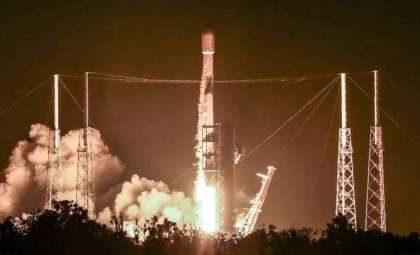
- The failure of a Falcon 9 second-stage engine in July during a re-ignition maneuver, which paused launches for two weeks.
- September 28’s upper stage engine anomaly that impacted the Crew-9 spacecraft’s deorbit burn, resulting in a nearly two-week halt of Falcon 9 flights except for one.
- An unsuccessful droneship landing in August, which temporarily suspended launch activities.
These episodes collectively underscore the critical importance of stringent safety oversight, particularly as SpaceX continues to push hardware limits and increase operational tempo. Rominger noted the necessity of maintaining vigilance as equipment ages, cautioning that assuming routine operations carry no risk is a mistake neither NASA nor SpaceX can afford.
He further warned against complacency driven by launch frequency, emphasizing the importance of allocating sufficient time and resources to comprehensively analyze root causes. The panel did not issue direct recommendations regarding these specific, unconnected events.
Concerns About Crew Dragon’s Parachute Deployment
Rominger drew attention to Crew Dragon’s parachute dynamics observed during the Crew-8 Earth splashdown on October 25. One chute showed a slight delay compared to others, although it still complied with safety standards. Continuous observation remains necessary to ensure consistent performance.
On a positive note, Rominger praised NASA and SpaceX’s move to relocate splashdown zones from Florida to California, noting it improves control over the Dragon trunk’s reentry and enhances recovery operations.
Panel member and former astronaut Charlie Precourt acknowledged the challenges of SpaceX’s packed launch cadence but also viewed it as an asset. Frequent missions yield valuable operational data, refining understanding of spacecraft systems.
Insights on Boeing Starliner’s Crew Test Flight
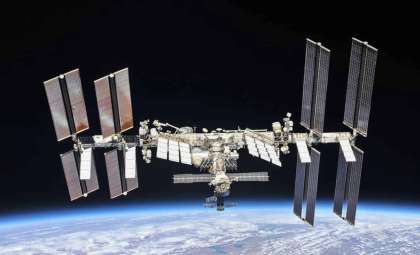
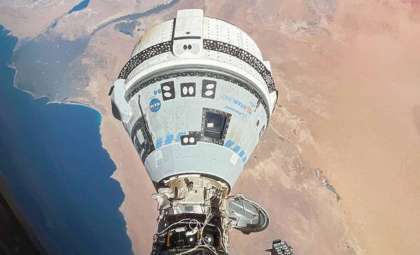
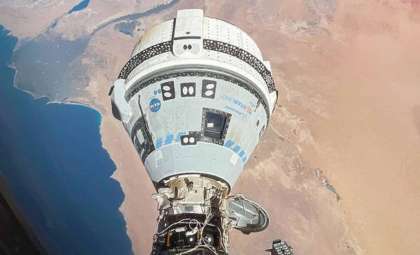
The discussion also touched on Boeing’s Starliner mission, specifically the decision to keep astronauts Butch Wilmore and Suni Williams aboard the ISS while returning Starliner uncrewed. Rominger offered no new details on technical faults like thruster or helium system issues but praised NASA’s transparent and careful approach to decision-making.
ASAP Chair Susan Helms commended NASA’s handling of safety matters, highlighting that the agency’s inclusive and open decision-making culture effectively supported risk management. She concluded, “NASA clearly demonstrated the attributes of a healthy safety culture.”





0 comments
Sign in to Comment