
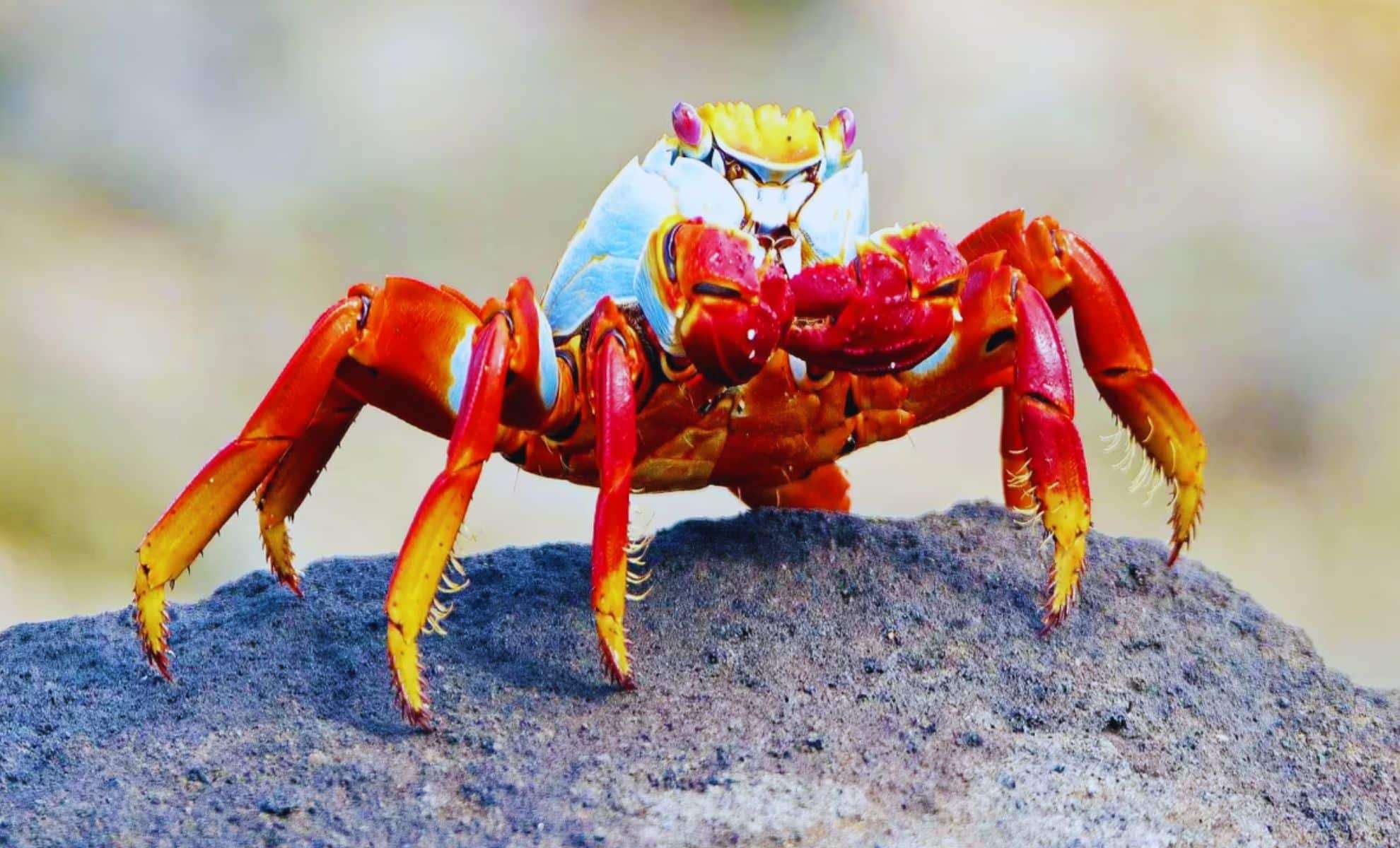
A groundbreaking study from the University of Gothenburg, recently featured in the journal Biology, sheds new light on the long-debated question of whether crustaceans such as crabs and lobsters experience pain. Utilizing sophisticated electrophysiological techniques, scientists observed that shore crabs exhibited significant pain indicators when subjected to physical pressure and irritating chemicals.
Insights from the Investigation
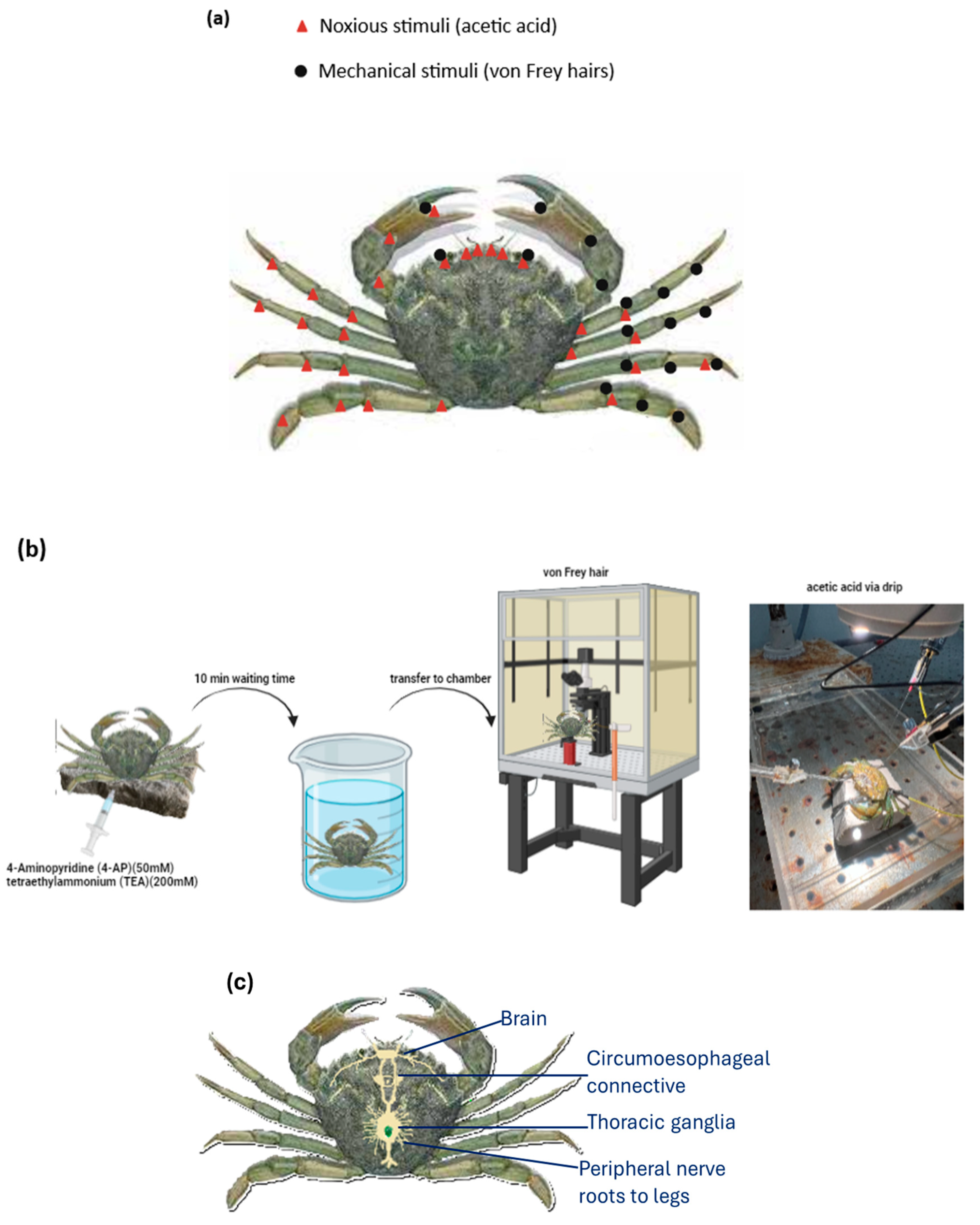
Led by PhD candidate Eleftherios Kasiouras alongside Dr. Lynne Sneddon, the research examined neural responses in shore crabs to stimuli including vinegar and mild pinching on their limbs and soft tissues. The team detected brief, intense bursts of brain activity under physical stress, followed by longer lasting signals when chemical irritants were applied.
“The observed responses indicate an active pain signaling system,” explained Kasiouras. “This goes beyond a simple reflex.” The presence of specific pain detectors, known as nociceptors, suggests these crustaceans perceive and process harmful stimuli similarly to vertebrates. Since creatures like lobsters, shrimp, and crayfish have comparable nervous systems, the researchers suggest these findings are broadly relevant to the group.

Legal Protections for Crustaceans Remain Limited
Decapod crustaceans—comprising crabs, lobsters, shrimp, and crayfish—are currently excluded from most EU animal welfare laws, which leaves them exposed to harmful practices such as live boiling. While Switzerland outlawed this method in 2018 and the UK legally recognized these species as sentient under its Animal Welfare (Sentience) Act 2022, most nations have yet to adapt their regulations accordingly.
Authorities in New Zealand and some Australian regions recommend chilling crustaceans in saltwater ice slurry before cooking to reduce pain perception. Other humane methods include using electric stunning devices like the CrustaStun, which can render the animal unconscious within a second. Despite these options, such approaches are uncommon in commercial kitchens, often due to extra equipment and preparation time requirements.
Role of Consumers and Industry in Reform
Experts such as Dr. Sneddon emphasize that consumer awareness will be crucial to prompting change. “When diners ask about humane killing methods for lobsters, suppliers and eateries will have to respond,” she noted. This mirrors the success seen in the poultry industry, where consumer demand for cage-free eggs significantly improved animal welfare in recent years.
Seafood producers are investigating practical alternatives including electrical stunning, rapid chilling at 32°F for about 20 minutes, or swiftly severing the crustacean’s brain prior to cooking—techniques considered kinder than boiling alive. However, adoption remains uneven, especially given the cultural attachment to traditional live boiling in restaurants.
Evolving Perspectives on Animal Sentience
The Gothenburg findings contribute to ongoing discussions about recognizing sentience in non-mammalian species. The growing scientific evidence of nociception in crustaceans challenges longstanding assumptions. Whether this will drive widespread regulatory reform remains an open question, but the research makes clear that if society continues consuming these animals, steps must be taken to minimize unnecessary suffering.
- Categories:
- Science











0 comments
Sign in to Comment