
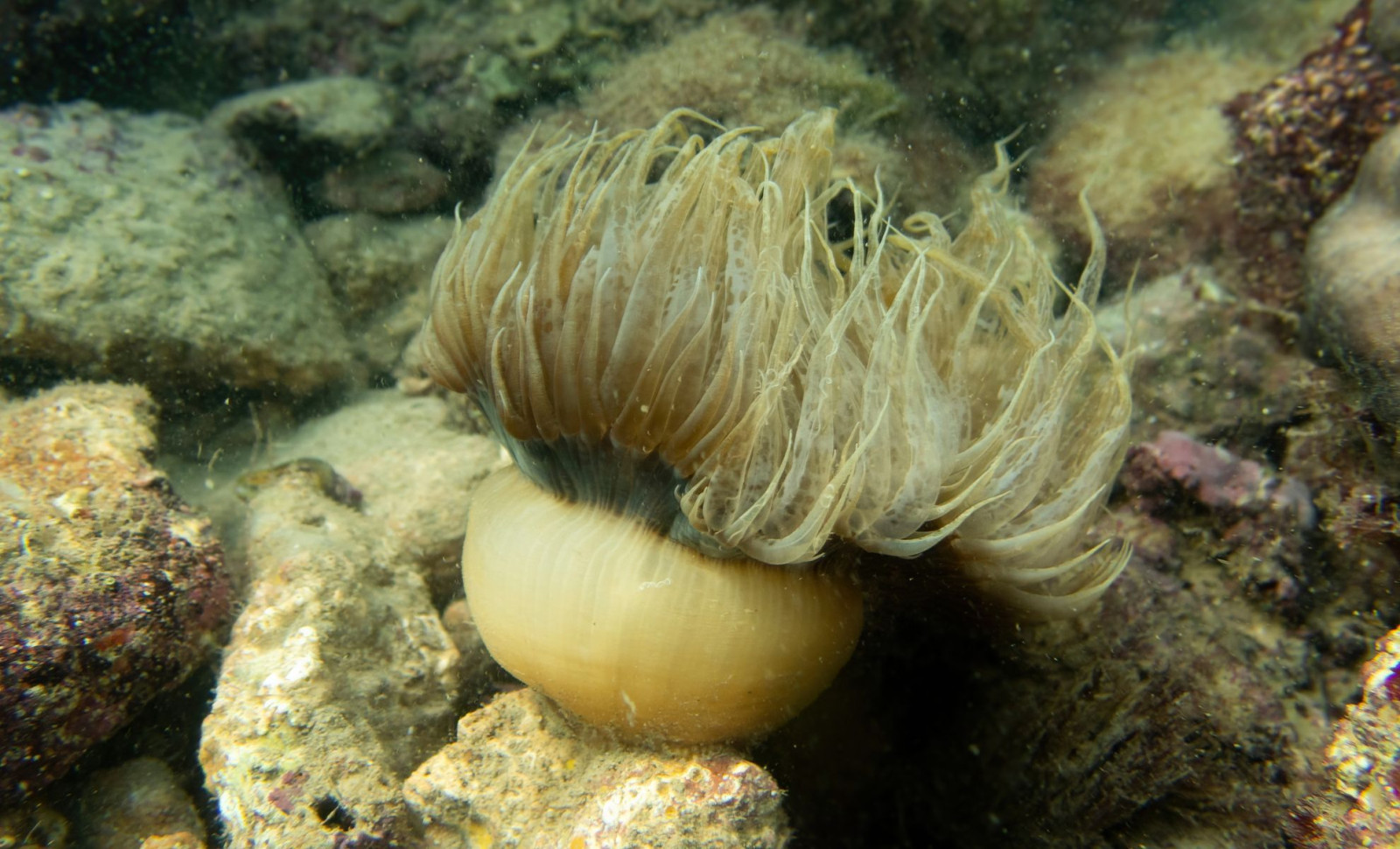
Remarkably, jellyfish maintain approximately eight hours of nightly sleep, take brief naps during the day, and compensate for lost rest—all without possessing a brain. This groundbreaking study indicates that sleep might be a far more ancient and widespread trait than scientists previously believed.
Directed by Lior Appelbaum of Bar-Ilan University, the investigation centered on the upside-down jellyfish Cassiopea andromeda. Using nonstop video surveillance in lab environments with controlled lighting, the team uncovered that these jellyfish follow a consistent daily cycle of activity and rest, resembling the sleep-wake routines observed in mammals.
Consistent Sleep Rhythms Observed in Jellyfish
According to the study published in Nature Communications, the jellyfish spent roughly one-third of the day in a state of reduced activity, predominantly during nighttime hours. Their bell contractions slowed, and their responses to light or food stimuli became noticeably delayed.

During simulated daylight, Cassiopea andromeda exhibited contraction rates exceeding 37 pulses per minute and responded swiftly to external triggers. At night, their pulsing diminished significantly, alongside slower reaction times. The ancient marine species also took short naps lasting one to two hours midday, establishing a sleep pattern strikingly similar to human rest cycles.
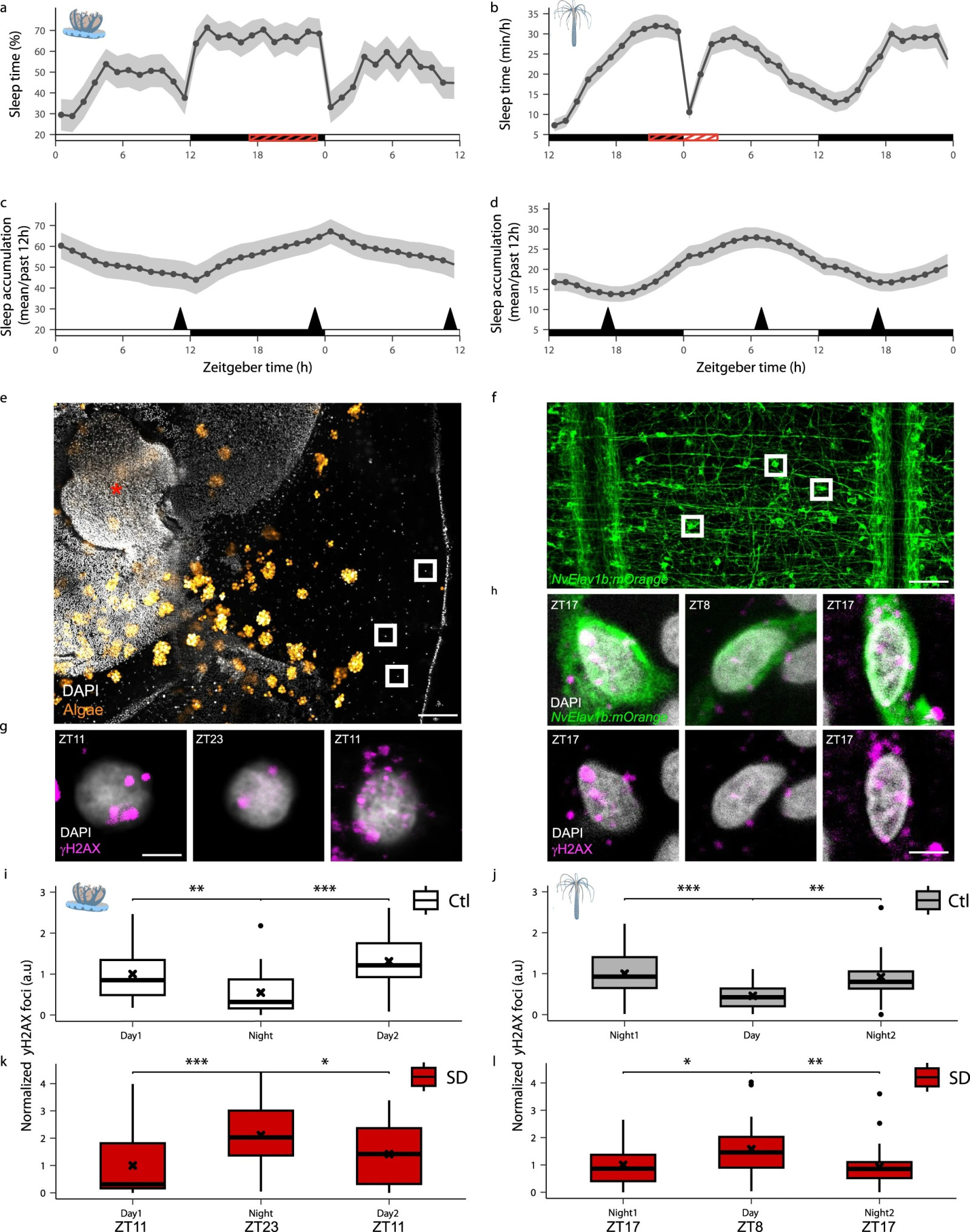
When researchers disturbed the jellyfish’s nocturnal rest by agitating the water in their tanks, the creatures compensated by extending their sleep duration the following day, demonstrating classic sleep rebound behavior.
“It’s funny: just like humans, they spend about a third of their time asleep,” explained Lior Appelbaum, one of the co-authors of the study.
Sleep's Role in DNA Repair Uncovered
Beyond behavioral observations, the team identified a likely biological purpose for sleep in jellyfish: minimizing DNA damage. Damage accumulates in neurons during wakefulness, but sleep appears to play a critical role in repairing this damage, helping sustain neuronal health.
“The balance between DNA damage and repair is insufficient during wakefulness, and sleep provides a consolidated period for efficient cellular maintenance in individual neurons,” stated the team.
The study also found that exposing jellyfish to elevated levels of ultraviolet light, which increases DNA damage, caused them to sleep longer. Appelbaum suggested that this strengthens the idea that sleep supports neural preservation, even in simple organisms without brains.
Sea Anemones Show Sleep-Like Behavior
To assess whether sleep behavior extended to related species, the researchers performed similar tests on the starlet sea anemone (Nematostella vectensis). Their findings closely mirrored those seen in jellyfish, proving these creatures also engage in sleep-like rest.
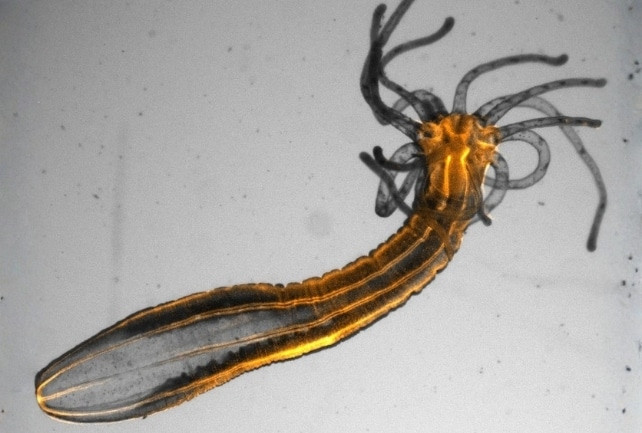
This represents the first confirmed evidence of sleep in sea anemones. Alongside the jellyfish data, it supports the conclusion that sleep may be an ancient trait shared among cnidarians, dating back hundreds of millions of years.
- Categories:
- Science










0 comments
Sign in to Comment