
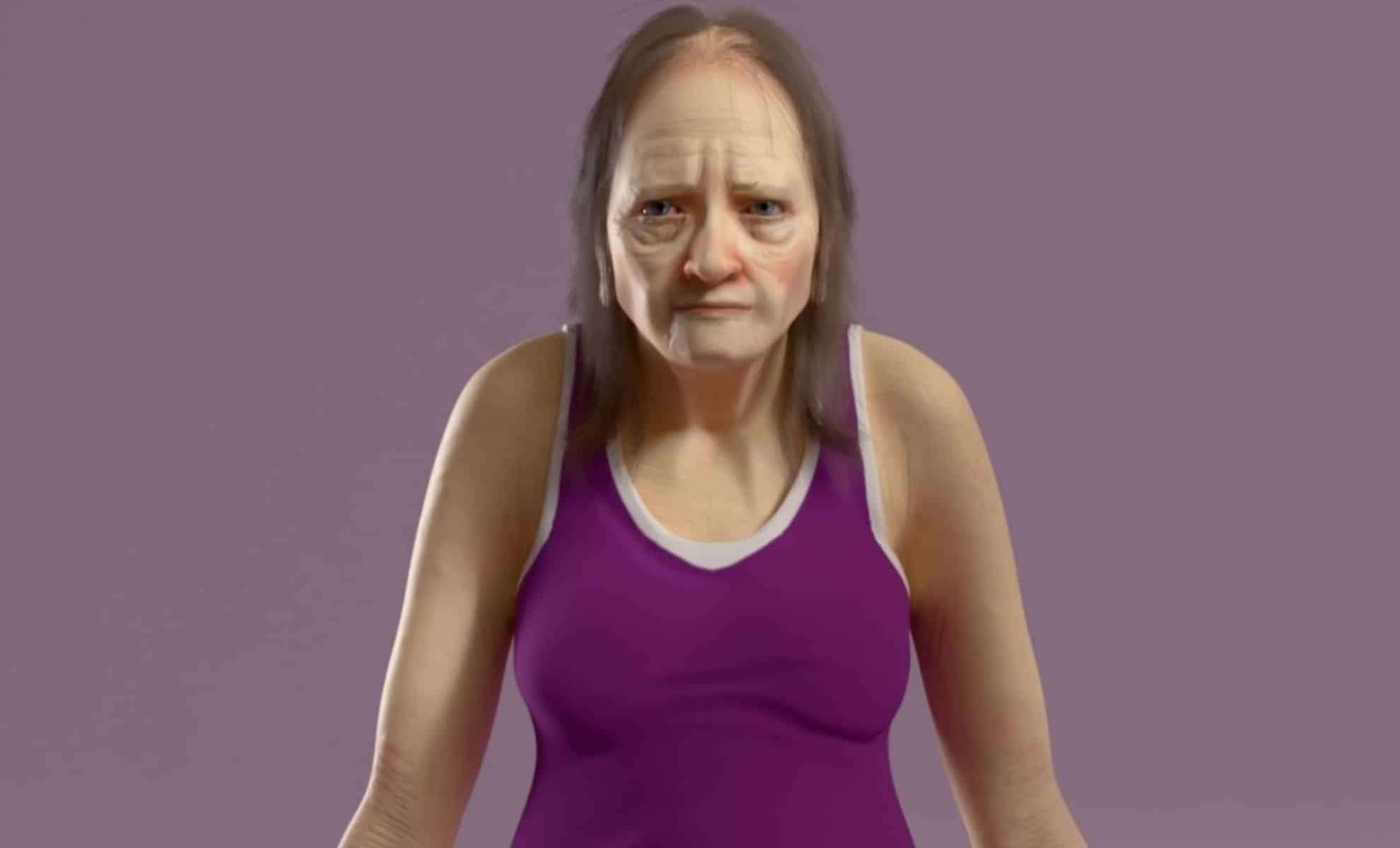
In today's fast-paced society, prioritizing sleep has become an uncommon luxury rather than a fundamental need. The escalating trend of widespread sleep deprivation is raising serious concerns among health specialists, warning that our ongoing sleep habits may have severe implications for both our well-being and physical look by the year 2050. But what might this future actually resemble? A recent investigation reveals a compelling forecast illustrating the enduring impact of inadequate nightly rest.
A Stark Glimpse into the Years Ahead
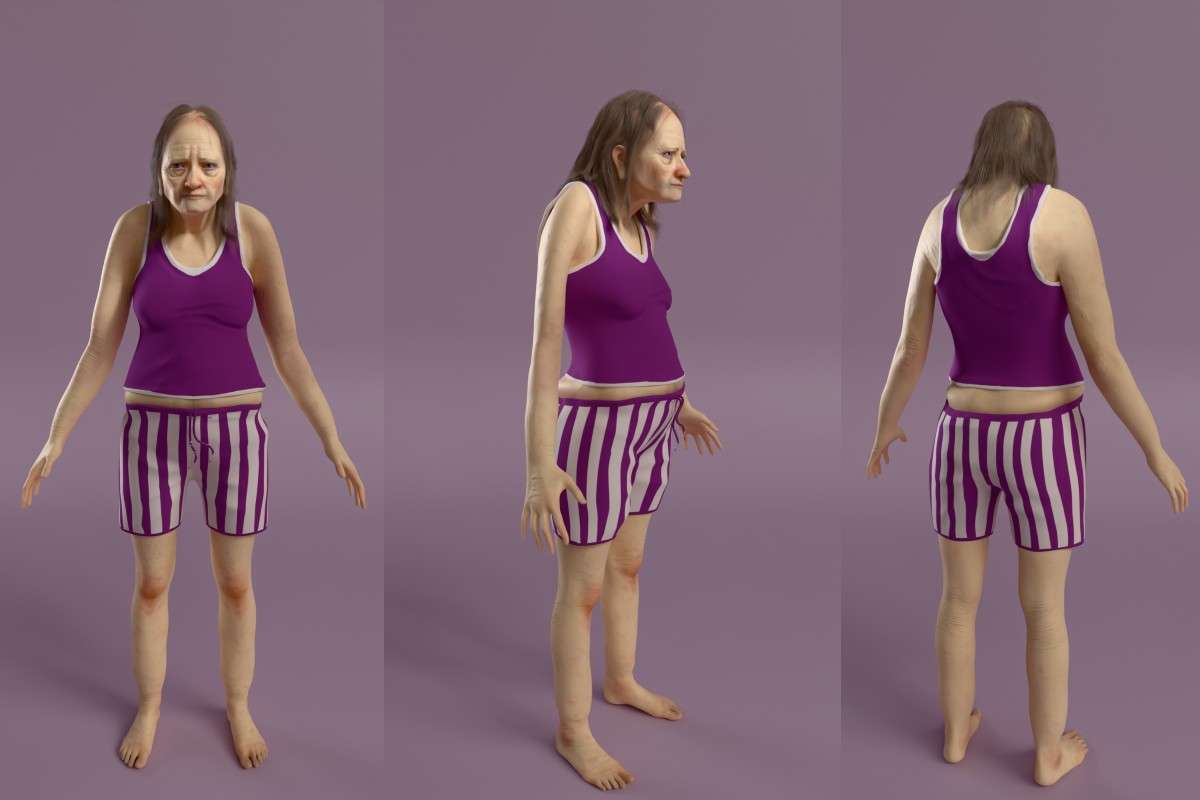
Innovative research led by Dr. Sophie Bostock, a recognized expert in sleep science, in partnership with Bensons for Beds, has crafted a striking visual depiction of a woman’s potential look in 2050, assuming she persists in neglecting proper sleep. Dubbed Hannah, this image is grounded in an analysis of findings from 19 scientific studies published since 2010.
These studies investigate how insufficient rest adversely affects multiple body systems, including the brain, immune defenses, and skin health. The resulting image offers an unsettling preview of future consequences if such sleep patterns endure.

Far from being mere fiction, Hannah represents a powerful alert. Dr. Bostock notes, “Recent decades have seen rapid advances in research highlighting the critical role of consistent, restorative sleep in maintaining good health. Many people underestimate how erratic daily schedules and inadequate sleep disrupt our body’s natural circadian rhythms, which orchestrate physiological processes over 24 hours.” This project aims to underscore just how profoundly sleep deprivation can affect us when habitual.
The Hidden Health Consequences of Skipping Sleep
The projection of Hannah’s health reveals shocking and insightful effects of chronic sleep loss. Persistent lack of rest has heightened her vulnerability to memory decline, impairing both immediate and long-term recall. Furthermore, ongoing sleep deprivation has contributed to hair thinning, often linked to stress and deteriorating health, alongside visible skin deterioration, marked by wrinkles, fine lines, and reduced firmness.
Her eyes reveal telltale problems too—puffy eyelids, dark circles, and sagging skin around her mouth underscore the toll of lost sleep. This model also demonstrates how compromised sleep weakens her immune system, increasing susceptibility to common infections like colds and flu. Additionally, she suffers from persistent aches, including back and shoulder discomfort.
Perhaps most concerning is the noticeable weight increase exhibited by Hannah. Sleeping only six hours nightly disrupts hormonal balance, affecting hormones like leptin and ghrelin that regulate appetite. This imbalance fuels overeating and late-night snacking. Coupled with a decline in physical activity, her body fat has risen substantially.
Steps Toward Healthier Sleep Patterns
The unsettling image of Hannah serves as more than a warning—it represents a call to transform sleep habits. Experts stress the importance of achieving between seven and nine hours of quality sleep every night. However, sleep duration alone isn’t enough; the focus must also be on improving sleep quality. Establishing a calming bedroom atmosphere free from distractions such as screens, caffeine, and noise can significantly enhance restorative rest.
Dr. Bostock emphasizes developing a consistent bedtime routine. “Maintaining a steady sleep schedule helps regulate your internal clock, enhancing both the depth and efficiency of your sleep,” she explains. Additionally, mindful choices in the hours before sleep, such as avoiding heavy meals, alcohol, and nicotine, create favorable conditions for deeper, more revitalizing sleep.
- Categories:
- Science













0 comments
Sign in to Comment