
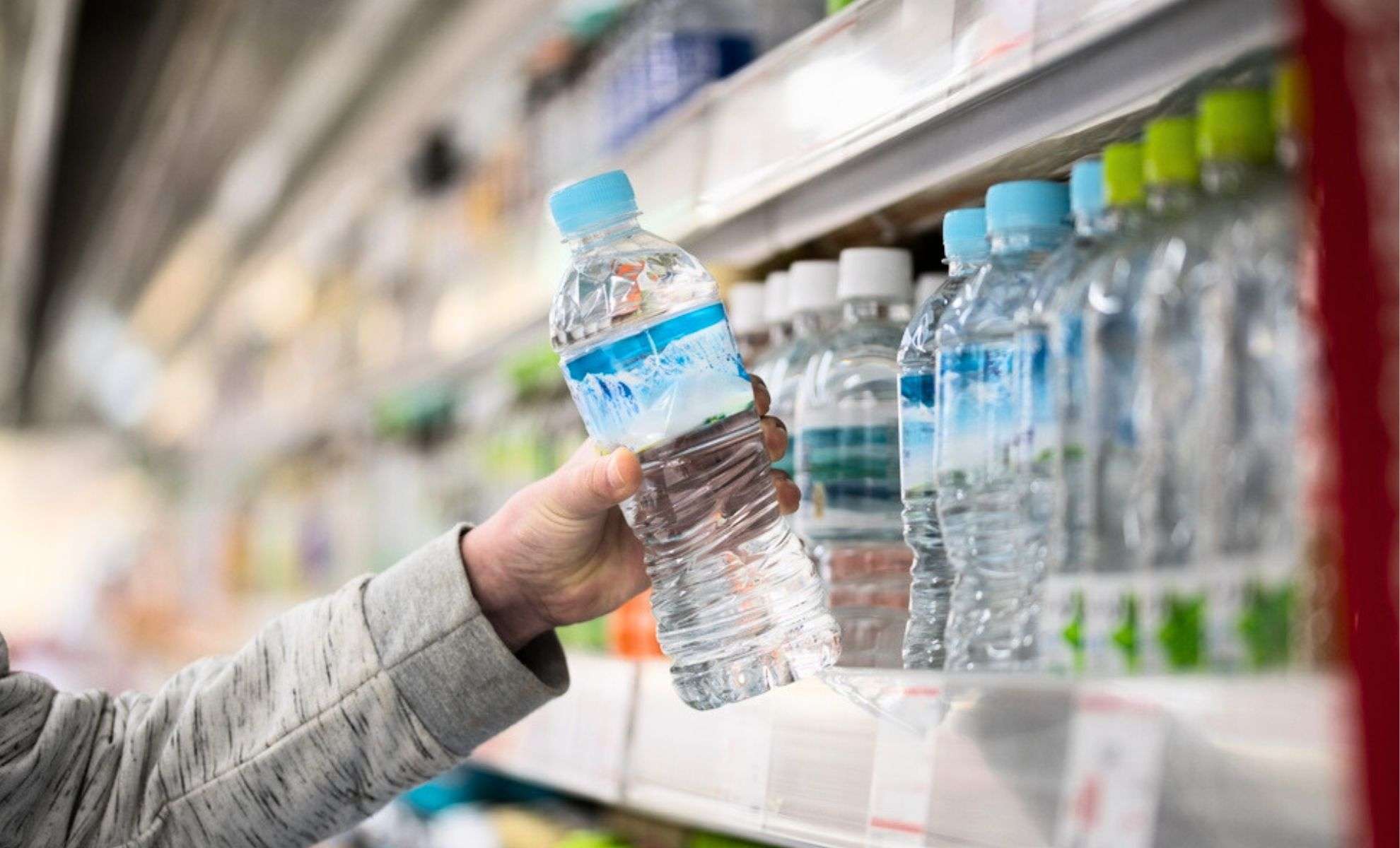
Across the world, bottled water is widely trusted as a purer, safer choice compared to tap water. However, recent scientific findings reveal that this assumption might overlook tiny plastic particles that could pose hidden risks.
A groundbreaking published article in the Proceedings of the National Academy of Sciences (PNAS) has identified alarming quantities of microscopic plastics in leading bottled water brands. Using sophisticated chemical imaging, researchers detected an average of 240,000 plastic particles per liter of bottled water.
Remarkably, about 90% of these particles were nanoplastics, minuscule fragments small enough to penetrate cell membranes and accumulate in human tissues. This investigation marks the first time nanoplastics have been precisely measured at the individual particle level, challenging prior consumer beliefs. Earlier research had uncovered microplastics in bottled water, but the current study provides unprecedented quantification of even tinier particles.

The findings raise serious health concerns and question the efficiency of existing filtration and bottling methods in delivering truly uncontaminated water. Interestingly, only one brand tested showed zero detectable plastic particles, as confirmed by the research team.
Understanding Nanoplastics: Smaller Yet More Threatening
While microplastics have garnered public attention, nanoplastics — plastics smaller than one micrometer — remain poorly characterized. Their tiny size allows them to evade detection easily. Scientists have discovered these particles in remote locations like Arctic snow, human bloodstreams, and even placentas. Due to their size, nanoplastics might disrupt biological processes more severely than larger plastic debris by crossing barriers such as the blood-brain barrier and infiltrating cells.
“Their diminutive size means nanoplastics can be mistaken for nutrients or natural cellular elements,” explained Wei Min, a Columbia University chemistry professor and co-author of the study. “This increases the likelihood of unpredictable interactions with living systems.”
The researchers employed stimulated Raman scattering microscopy to detect and identify individual nanoplastic particles with unprecedented detail. They traced seven common polymer types, including polyethylene terephthalate (PET) found in bottles and polyamide (PA) present in filtration membranes.
Contamination sources extended beyond the plastic bottles themselves to include filtration membranes, bottle caps, and packaging procedures. Even advanced purification techniques like reverse osmosis contributed nanoplastics when membranes deteriorated.
Nanoplastics’ Interaction With the Human Body
Although the health implications of nanoplastics are still emerging, evidence suggests potential risks. Research featured by Columbia’s State of the Planet indicates nanoplastics may disrupt gut microbiota, trigger inflammation, and transport harmful chemicals such as phthalates and bisphenol A (BPA) directly into body tissues.
The PNAS study identified nanoplastics embedded within human carotid artery plaque, hinting at potential cardiovascular dangers. Additional peer-reviewed work links plastic exposure with endocrine issues, developmental problems, and cognitive decline.
Nanoplastics aren’t just found in bottled water; they have also been discovered in seafood, table salt, fruits, vegetables, and airborne particles. Nevertheless, bottled water draws particular attention due to its popularity and the widespread impression of safety. In the U.S. alone, consumers drink over 15 billion gallons of bottled water annually, per the International Bottled Water Association.
Plastic Exposure Beyond Everyday Consumption
One of the most concerning revelations is how pervasive plastic exposure has become, especially in medical contexts. “We often see bottled water as a matter of choice,” said Naixin Qian, a Columbia doctoral researcher and study co-author. “In healthcare settings, however, exposure may be unavoidable and direct.”
Qian is investigating nanoplastics in IV fluids, dialysis tubing, and blood bags. Early findings suggest that hospital patients may receive nanoplastic particles directly through infused medical products—raising concerns for vulnerable individuals with weakened immune defenses.
Disposable plastics are integral to maintaining hygiene and sterility in healthcare, but the downsides are gaining attention. “No current regulations govern plastic particle content in medical fluids,” Qian noted, “yet these particles are being injected straight into patient veins.”
Despite escalating scientific evidence, most countries, including the U.S., have no official safety limits for micro- or nanoplastics in drinking water, whether bottled or tap. Organizations like the World Health Organization recognize the potential threat but argue that current research is insufficient to establish robust guidelines. Meanwhile, global production of plastics continues to climb and is expected to triple by the year 2060, according to OECD forecasts.
References:
- Qian, N., Gao, X., Lang, X., et al. (2024). Rapid single-particle chemical imaging of nanoplastics by SRS microscopy. Proceedings of the National Academy of Sciences, 121(3), e2300582121. https://doi.org/10.1073/pnas.2300582121
- Cho, R. (2025, May 5). Nanoplastics Are All Around (and Inside) Us. State of the Planet, Columbia Climate School. https://news.climate.columbia.edu/2025/05/05/nanoplastics-are-all-around-and-inside-us/
- International Bottled Water Association. (2024). 2024 U.S. Bottled Water Market Report. https://www.bottledwater.org/2024-u-s-bottled-water-market-report/
- OECD. (2022). Global Plastics Outlook: Policy Scenarios to 2060. Organisation for Economic Co-operation and Development. https://www.oecd.org/environment/plastic-pollution/








0 comments
Sign in to Comment