
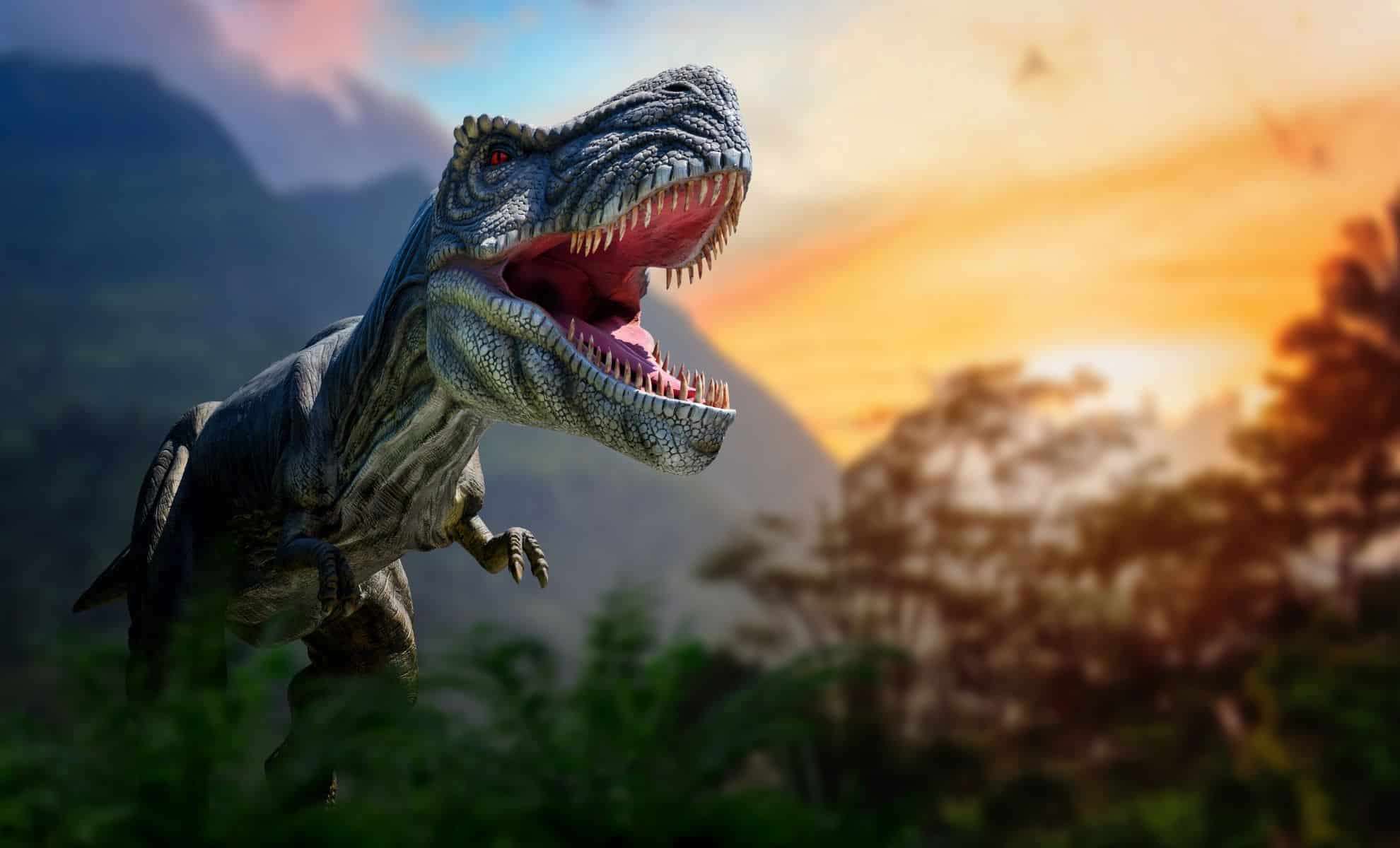
For decades, popular culture has portrayed Velociraptor and other bipedal dinosaurs sprinting at speeds close to 40 mph. Recent research challenges this perception, indicating that these prehistoric predators probably moved at much slower rates.
A study conducted by experts at Liverpool John Moores University suggests that many dinosaurs, especially theropods, were not as fast as previously believed.
Reevaluating Dinosaur Locomotion Speeds
Scientists have historically used fossilized footprints to estimate how dinosaurs moved. These footprints offer valuable clues about dinosaur behavior millions of years ago. However, new findings reveal that speed estimates based on these footprints may have been significantly overstated. The discrepancy arises from an overlooked factor in earlier analyses: the soft mud in which many footprints were formed and preserved.
The traditional method for estimating dinosaur speed was developed in 1976 by zoologist R. McNeill Alexander. This approach calculates speed from stride length and other parameters but was derived using data from mammals traversing firm ground, not the soft, muddy conditions common in dinosaur track sites.

Researchers at Liverpool found that these soft layers distorted the footprints, creating the illusion that dinosaurs traveled faster than they actually did. Their analysis suggests that speed estimates could be inflated by up to 4.7 times.
Developing a Refined Speed Measurement Model
To investigate this discrepancy, the team observed modern birds—specifically, helmeted guineafowl, which share comparable limb structure and joint mechanics with non-avian theropods such as Velociraptor. These birds were filmed moving over various types of mud to study how substrate softness impacted their footprints.
Digitizing and analyzing the guineafowl tracks allowed the scientists to more precisely estimate walking and running speeds. When applying traditional dinosaur speed formulas, they uncovered significant errors.
For instance, a guineafowl moving at a mere 1 km/h (0.6 mph) would be mistakenly calculated as moving at 4.7 km/h (2.9 mph) using standard methods. Similar overestimations were observed in larger dinosaurs like ornithopods, where speeds were erroneously increased by nearly 19 km/h (11.8 mph).
Implications for Dinosaur Movement and Behavior
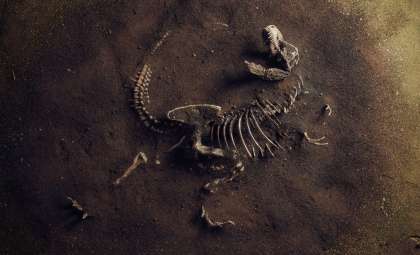
These results carry profound consequences for our understanding of dinosaur locomotion and behavior. For example, iconic predators like T. rex might have moved significantly slower than once assumed.
The researchers highlight that, “Fossil trackways remain an essential resource for interpreting the behavior and locomotion of extinct creatures.” Nevertheless, they caution that “speed estimates derived from these tracks should be treated as approximate ranges rather than precise values,” due to challenges posed by soft substrates. This insight urges a more careful approach when inferring dinosaur activity based solely on footprint data.
While the study does not dismiss the possibility that dinosaurs could run, it proposes that many fossilized tracks have been misread, leading to inflated perceptions of dinosaur agility. The Liverpool team stresses the need for additional experiments, particularly focusing on birds moving over varied surfaces, to better reconstruct the true locomotion of extinct animals.
- Categories:
- News




0 comments
Sign in to Comment