
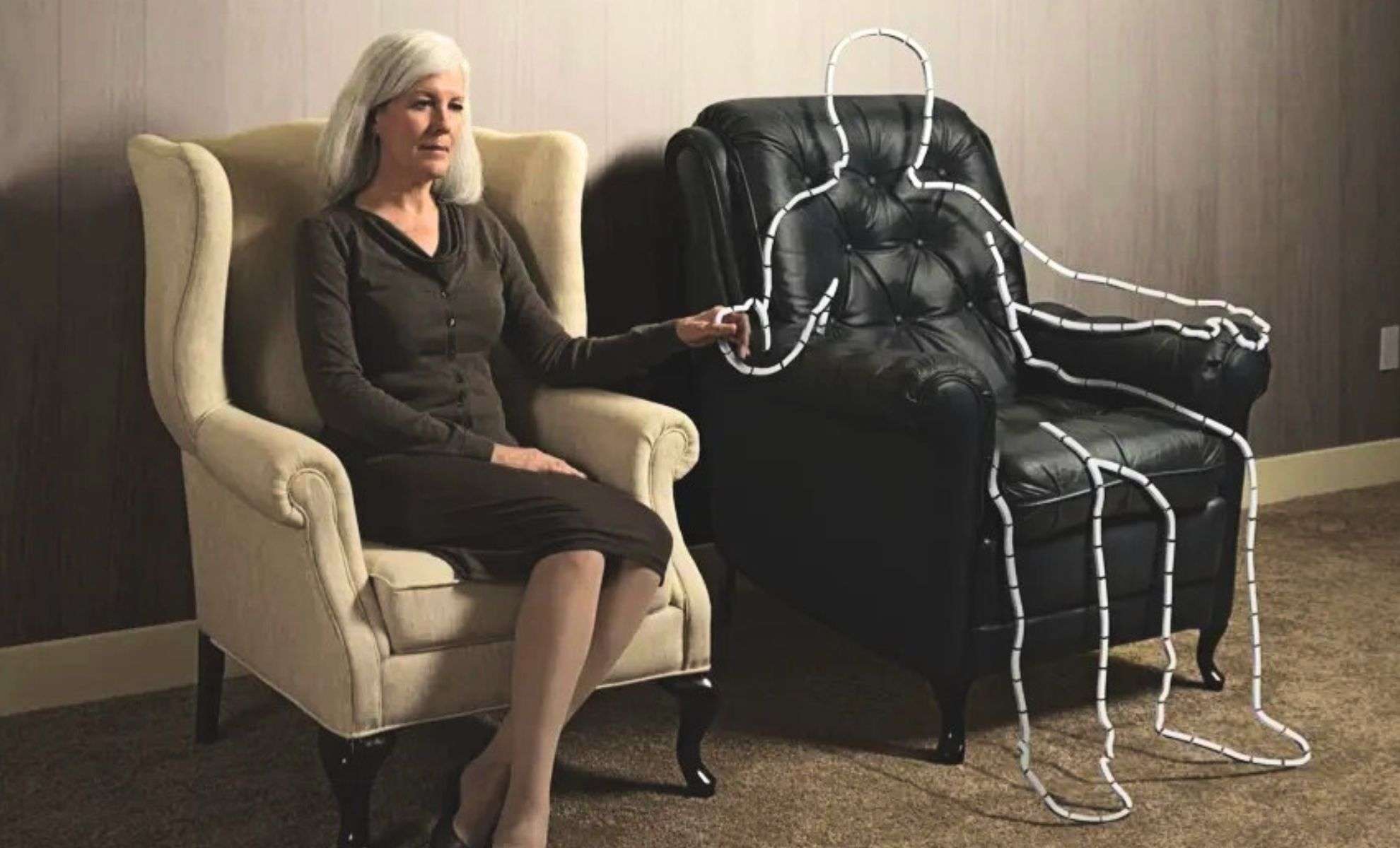
For decades, researchers have been intrigued by the enduring trend that women generally live longer than men. This lifespan disparity — averaging about five years globally — has remained consistent despite historical upheavals such as wars and pandemics. Recent expansive research encompassing hundreds of animal species reveals that this phenomenon is deeply embedded in evolutionary biology.
Published in Science Advances, the international study led by Johanna Stärk from the University of Southern Denmark analyzed the lifespans of 528 mammal and 648 bird species both in natural habitats and zoo environments. The results indicate that sex-linked longevity differences are a fundamental component of how species have evolved to survive and reproduce.
Evolution’s Role in Shaping Lifespan Differences
Among mammals, females outlive males by roughly 12 to 13%. Birds display the opposite trend, with males living approximately 5% longer. These patterns cannot be solely attributed to environmental factors such as diet, body size, or lifestyle. Instead, they are closely linked to genetic makeup and reproductive strategies.

Female mammals carry two X chromosomes, creating a genetic advantage that shields them from deleterious mutations. Male mammals possess a single X chromosome paired with a Y chromosome, lacking this redundancy. In birds, sex chromosomes differ: females have ZW chromosomes, while males have ZZ, reversing which sex holds the genetic safeguard.
“Even under protected conditions such as in captivity, lifespan gaps persist,” Stärk explained to Science.org. “This suggests biological factors, rather than environment, predominantly shape these differences.”
The team utilized data from Species360, the largest zoo and aquarium record system globally, building on prior research comparing lifespans in chimpanzees, gorillas, and humans, all exhibiting the same longevity disparities. These conclusions were highlighted in an article on Earth.com, emphasizing the widespread nature of this pattern throughout animal species.
The Impact of Mating Competition
A key reason male mammals often have shorter lifespans relates to sexual selection and the intense competition for mates. In species where males aggressively vie for dominance—like lions or deer—the energy devoted to fighting, displaying, or defending territory often reduces lifespan.
“Natural selection favors reproductive success even if it compromises survival,” the study explains. Males in polygamous species experience higher injury rates, stress, and increased metabolic demands associated with larger size or extravagant traits, all contributing to accelerated aging.
Contrastingly, many bird species form monogamous pair bonds and share childcare responsibilities, reducing constant conflict. Consequently, male birds typically lead longer, safer lives unless belonging to raptor species such as eagles or owls, where females tend to be larger and dominant, flipping the usual pattern.
Parental Care, Immunity, and Longevity
Females often undertake the majority of offspring care, which evolutionary processes appear to reward. The research noted that species exhibiting intensive maternal involvement—especially primates—frequently show females evolving to live longer. Maternal survival is directly linked to offspring success, making extended lifespan advantageous.
Immune system differences also contribute. Female mammals generally exhibit stronger immune responses, enhancing survival but increasing susceptibility to autoimmune disorders. Males, meanwhile, have comparatively weaker defenses, leading to higher infection rates but fewer immune-related illnesses.
These biological trade-offs likely date back millions of years and occur across species from elephants to humans, suggesting the lifespan gap between sexes is an ancient feature embedded within life's evolutionary framework, long before modern medicine or social roles emerged.
Human Lifespan Trends Reflect Broader Animal Patterns
Modern healthcare advancements have not erased these evolutionary influences. According to data from the World Health Organization, women outlive men in nearly every country. For example, Swedish records show the longevity gap has expanded from approximately two years in the 1700s to over five years presently, largely due to decreased maternal mortality and fewer early male fatalities.
Still, despite ongoing medical and societal progress, evolutionary biology continues to exert subtle effects. “While we can reduce the lifespan difference,” Stärk remarked, “it is unlikely to be completely eliminated.” These insights affirm that lifespan disparities are not simply cultural but stem from a deep-rooted evolutionary heritage shared across mammalian species, including humans.










0 comments
Sign in to Comment