
Artificial intelligence (AI) has advanced remarkably in recent years, particularly within the healthcare sector. From enhancing diagnostic precision to transforming patient interactions, AI is steadily redefining medical care. But despite its growing capabilities, can AI truly be trusted with crucial health decisions?
AI’s Expanding Role in Medicine
AI technologies have made impressive progress in healthcare diagnostics. Platforms like ChatGPT and specialized AI models analyze enormous datasets, often providing insights that rival or surpass those of physicians in speed and accuracy. These systems can interpret medical imaging, evaluate laboratory results, and propose possible diagnoses by recognizing patterns that may escape even skilled clinicians. A notable application is AI’s ability to detect rare conditions by identifying subtle data trends.
Studies reveal AI’s superiority in specific diagnostic tasks. For example, Google Health's mammography algorithm has outperformed human radiologists in spotting breast cancer. Similarly, AI-based dermatological tools consistently match the diagnostic capabilities of leading skin cancer specialists.

Nonetheless, AI is not infallible. It can misread information, especially when encountering unfamiliar or new medical scenarios. Consequently, the expertise of healthcare professionals remains vital in interpreting AI results within the patient’s overall health context.
Why Do Many Patients Still Choose Doctors Over AI?
While AI excels in diagnostic accuracy, trust significantly influences healthcare choices. Research indicates that many patients prefer consulting human doctors, even when AI offers robust analysis. Trust stems from the desire to have personal, emotional, and psychological dimensions considered during care. Although AI may provide correct diagnoses, it lacks empathy and the subtle understanding that human doctors inherently offer.
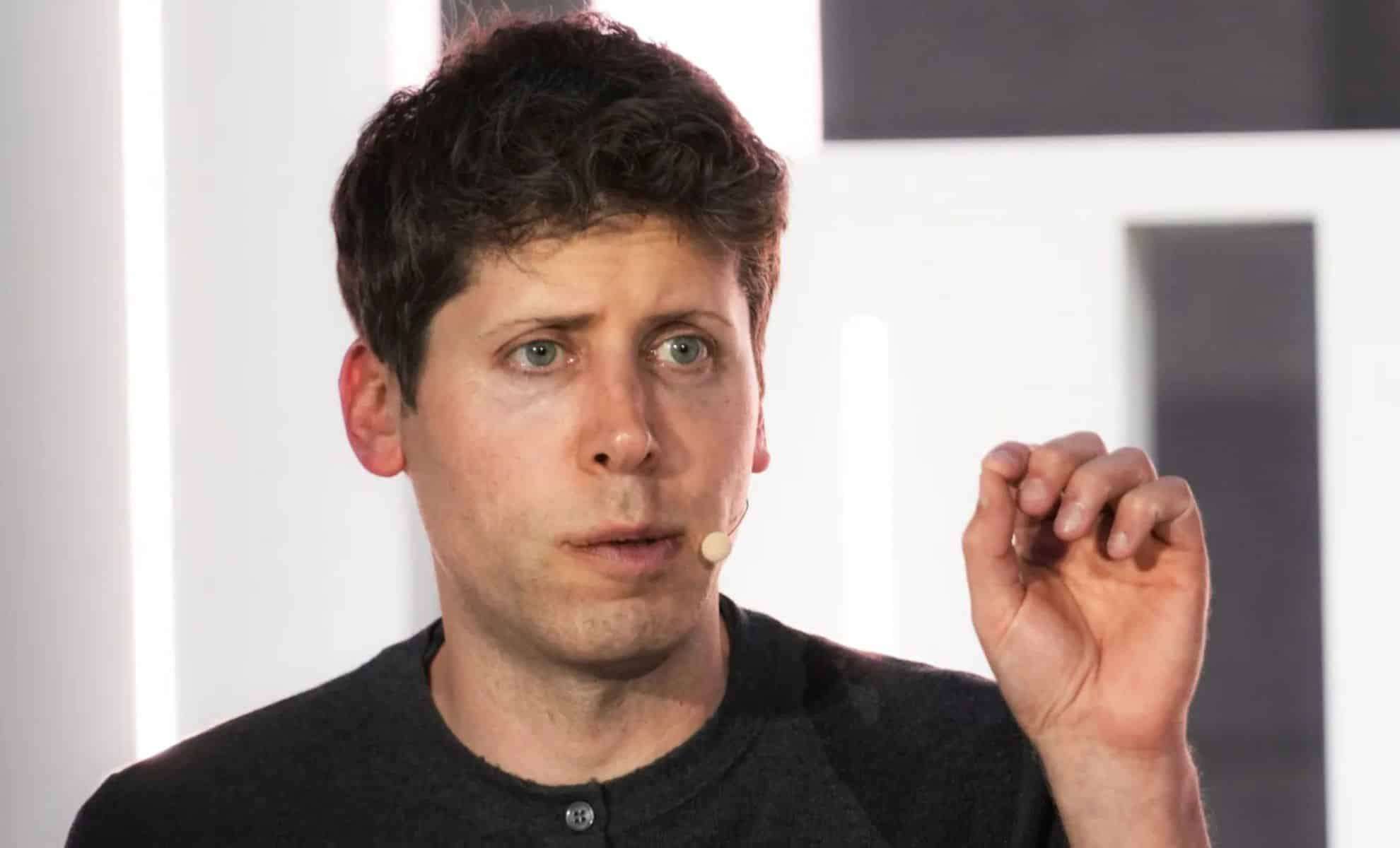
OpenAI CEO Sam Altman recently emphasized that despite ChatGPT often generating superior diagnostic results, most people still prefer face-to-face consultations. Altman’s insight highlights that while AI is a powerful diagnostic tool, it cannot replace the human connection patients seek when raising concerns and receiving personalized care.
Moreover, clinicians bridge complex medical information, manage interactions with specialists, and offer wisdom accumulated through hands-on experience—roles AI cannot duplicate. These functions underscore the ongoing need for human involvement alongside technological advancements.
Ethical and Security Concerns Surrounding AI in Medicine
The potential benefits of AI in healthcare come with important ethical and security challenges. Privacy is a paramount issue, as AI relies on extensive patient data for effectiveness. This raises critical questions about data ownership, protection, and confidentiality safeguards in medical settings.
Additionally, as AI becomes more embedded in healthcare workflows, ensuring resistance to cyber threats and preventing misuse is vital. Another important concern is bias: AI systems trained on incomplete or unrepresentative datasets might produce skewed recommendations, perpetuating inequalities in care.
For example, AI trained predominately on data from white patients may underperform when diagnosing individuals from different racial or ethnic backgrounds, risking health disparities.
Will AI Supplant Doctors in the Future?
The prospect of AI replacing physicians is complex and nuanced. AI is transforming healthcare delivery, especially diagnosis and treatment guidance, but the future will likely emphasize collaboration between AI tools and medical professionals. The objective is to harness AI to enhance decision-making speed and accuracy while preserving the essential human dimension of healthcare.
As AI automation handles more routine diagnostic tasks, healthcare providers can devote greater attention to patient-centered care, tackling complex medical decisions, and improving outcomes. This evolution could foster a more efficient, empathetic healthcare environment without eliminating the need for doctors.
- Categories:
- News











0 comments
Sign in to Comment