
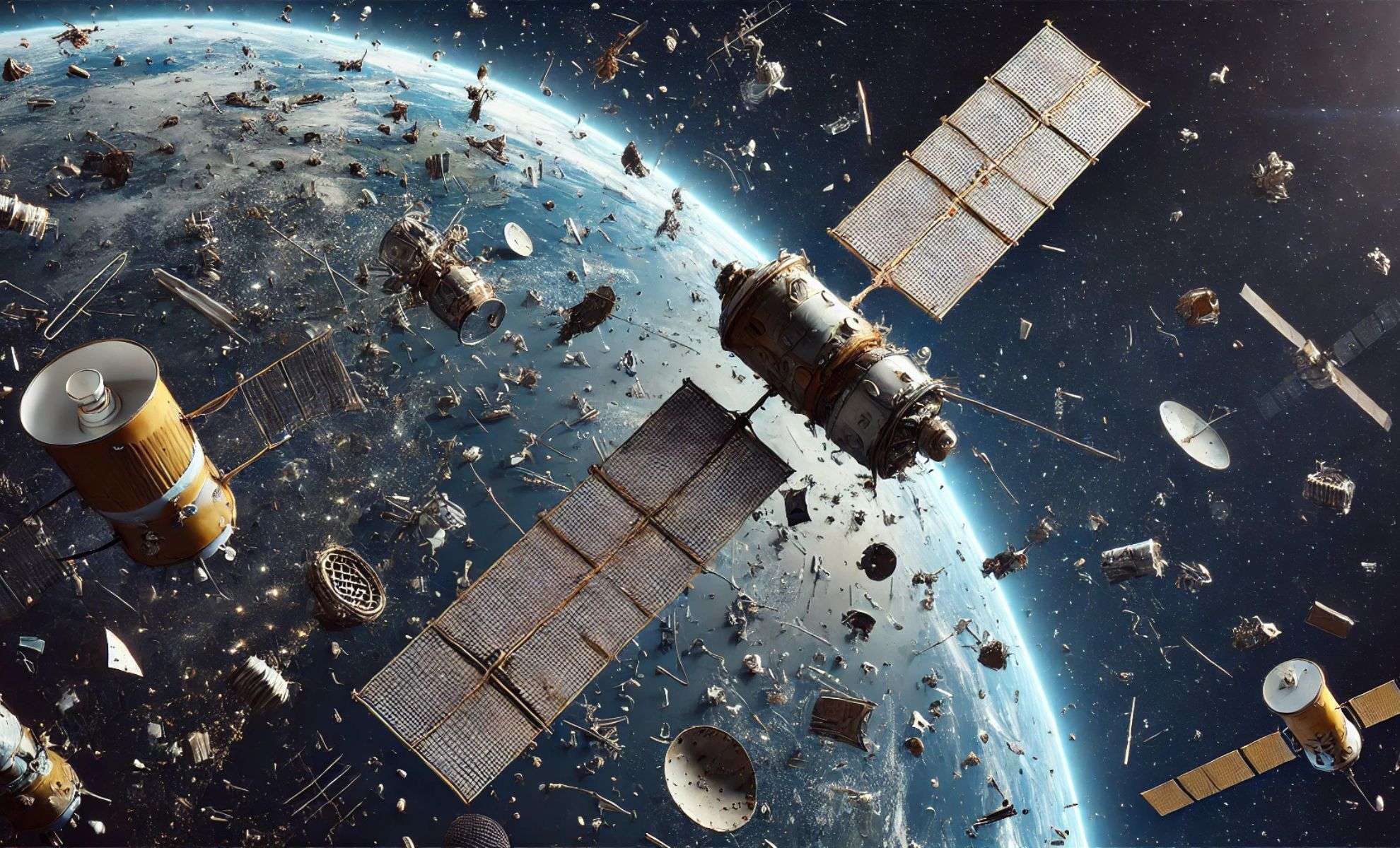
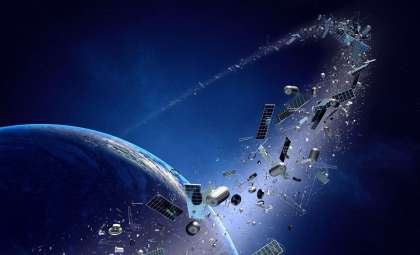
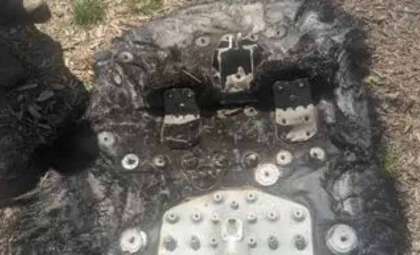
Experts and space agencies are raising urgent concerns about the mounting accumulation of orbital debris in low Earth orbit (LEO). Thousands of remnants—from obsolete satellites and discarded rocket stages to pieces from anti-satellite (ASAT) weapon tests—are traveling at incredible velocities, increasing the odds of a disastrous collision. This escalating issue threatens the safety of astronauts, active satellites, and the numerous upcoming space missions.
Space Debris: A Crisis on the Horizon
Currently, LeoLabs, a company specializing in orbital object tracking, keeps tabs on over 30,000 fragments larger than a softball circulating in low Earth orbit. These fragments can reach speeds as high as 28,000 kilometers per hour, meaning that even a tiny piece could inflict catastrophic damage on spacecraft and stations. According to Darren McKnight, LeoLabs’ Senior Technical Fellow, the orbital environment is like a “ticking time bomb” waiting to explode.
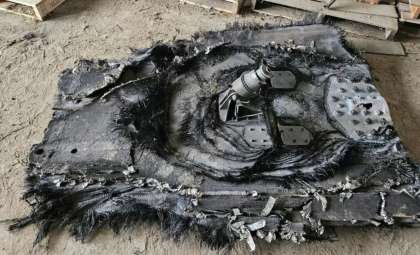
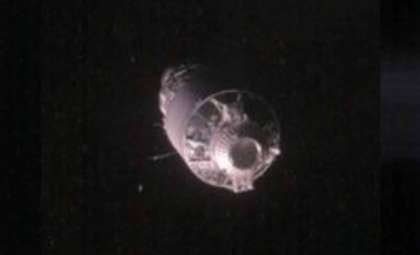
McKnight and his colleagues have highlighted the significant dangers posed by debris, particularly from ASAT missile tests and abandoned “ghost rockets,” which are spent rocket stages left orbiting aimlessly. These derelict objects spin uncontrollably, posing constant collision hazards. McKnight cautions, “Decades of leaving rocket parts in orbit and conducting anti-satellite strikes have encircled Earth with ‘time bombs’ that will threaten astronauts well into the future.”

Narrow Escapes and the Domino Effect of Collisions
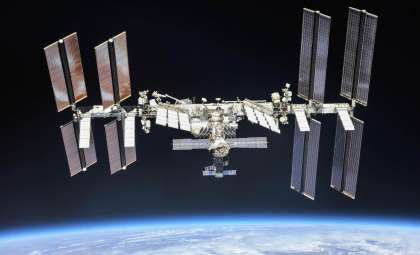
Space debris is a major risk to manned missions. While no astronauts have been harmed by debris yet, the International Space Station (ISS) has had several close calls. In 2021, a tiny debris fragment created a 5-millimeter breach in the ISS’s robotic Canadarm2. Though the damage was minor, it underscored how critical the threat is. As Dan Ceperley, LeoLabs’ Chief Operating Officer, states, “Fragments just a few millimeters in size can be deadly to astronauts. Invisible dangers pose real risks.”
The greatest concern stems from the Kessler Syndrome, where an initial collision creates a debris cloud triggering further destructive collisions in an escalating chain reaction. Should two large derelict objects collide, it could generate debris that remains in orbit for centuries, threatening all future space endeavors.
One near-catastrophe happened in June 2022, when two sizable rocket bodies—one from the Soviet era and an American counterpart—nearly smashed together, coming as close as 500 feet. A collision then would have scattered debris over hundreds of kilometers, endangering satellites, stations, and future missions. McKnight stressed the gravity of such an event, noting, “The impact would have been disastrous, creating debris that lingers for centuries across vast swaths of space.”
Challenges in Global Collaboration and Diplomacy
Despite clear dangers, reducing space debris has progressed slowly, especially given that the top three contributors—Russia, China, and the United States—account for nearly 90% of all debris in LEO. These nations remain at an impasse over strategies to reduce the clutter they've caused, and international diplomacy on this issue faces many hurdles.
Ian Christensen, Senior Director at the Secure World Foundation, emphasizes that the key diplomatic obstacle is persuading these leading space nations to take responsibility for removing their large debris. “Without shared commitment, the problem may spiral beyond control,” Christensen warns. Some predict that only a massive collision involving debris might spur decisive global action.
Meanwhile, countries like Japan, the United Kingdom, and European nations have initiated small-scale Active Debris Removal (ADR) efforts, but comprehensive solutions remain undeveloped. The U.S. proposed the ORBITS Act to fund ADR technologies; however, it awaits congressional approval.
A Pressing Deadline: Protecting Space’s Future
The threat from space debris extends beyond human explorers to vital satellites supporting communications, weather tracking, and GPS. With satellite numbers projected to soar in the coming decade, the risk of collisions intensifies unless action is taken.
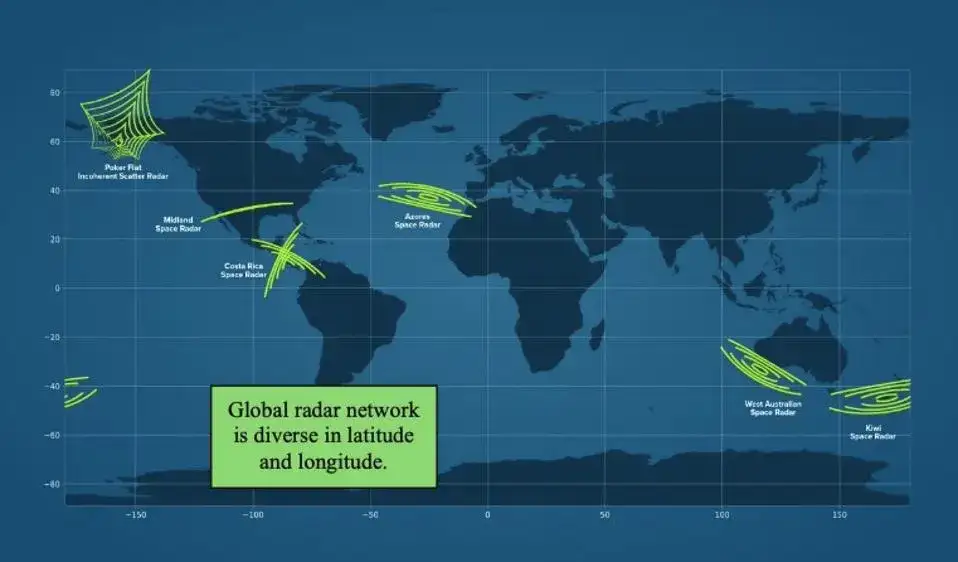
LeoLabs leverages advanced radar and artificial intelligence to monitor debris and forecast potential collision events, yet it can only track fragments larger than 10 centimeters. Smaller pieces, which are numerous and harder to detect, pose a severe hidden threat. As Ceperley notes, “Collisions aren’t a matter of if, but when.”
The rise of commercial satellite constellations, like SpaceX’s Starlink, adds complexity. McKnight’s team has identified 18 obsolete Russian rocket stages among the top 50 objects that urgently require removal to avert disaster.
Is Cleaning Up Space Still Within Reach?
There is widespread agreement that stronger measures are essential to tackle space junk and limit risks for future missions. Yet, with no clear financial rewards, motivating governments or private players to fund large-scale cleanup is difficult. Still, some hope that Active Debris Removal (ADR) missions might become feasible and cost-effective as the global space economy approaches a projected value exceeding $1 trillion by 2040.
McKnight and Christensen are pushing for immediate initiatives at forums including the International Astronautical Congress (IAC), where ideas can be developed and debated. Proposed solutions include deploying robotic space tugs to capture and safely deorbit large debris. Long-term visions, shared by innovators like Jeffrey Manber of Voyager Space, even imagine transforming defunct rocket parts into habitable orbital modules or space stations.
As humanity’s presence in space expands rapidly, the urgency to clear orbital debris grows stronger. Without coordinated international action, the persistent threat of space junk could undermine future exploration and technological progress.




0 comments
Sign in to Comment