

While often overshadowed by polar and temperate systems, tropical upwelling zones are essential powerhouses of marine productivity worldwide. These coastal processes nourish surface waters with nutrients, bolster fisheries, and play a key role in moderating coastal climates. Their predictable seasonal cycles are especially vital in regions like the eastern tropical Pacific, where ocean and atmosphere interactions underpin local ecosystems.
One notable example is the Gulf of Panama, where each year between January and April, trade winds push warm surface waters away from shore. This displacement triggers the upward movement of cold, nutrient-dense water, sparking intense bursts of biological activity that sustain coral reefs and fisheries.
For decades, scientists have tracked this phenomenon, noting its resilience through fluctuating climate events such as El Niño and La Niña. The upwelling has adjusted in strength and timing but never failed—until 2025.

In that year, the established seasonal upwelling in Panama completely vanished for the first time in over 40 years of observation, igniting urgent investigations into its causes and consequences.
Unprecedented Upwelling Breakdown Documented
A comprehensive study published in Proceedings of the National Academy of Sciences detailed this exceptional event. Collaborators from the Smithsonian Tropical Research Institute, Max Planck Institute for Chemistry, and international partners combined satellite imagery, sea surface temperature data, and direct ocean measurements to analyze early 2025 conditions.
Results confirmed the typical upwelling was absent; warm surface temperatures persisted, and chlorophyll levels—indicators of phytoplankton abundance—were anomalously low. Observations from the Eugen Seibold research vessel found no signs of the usual vertical mixing, leaving cooler, oxygen-rich layers trapped beneath a stratified surface.
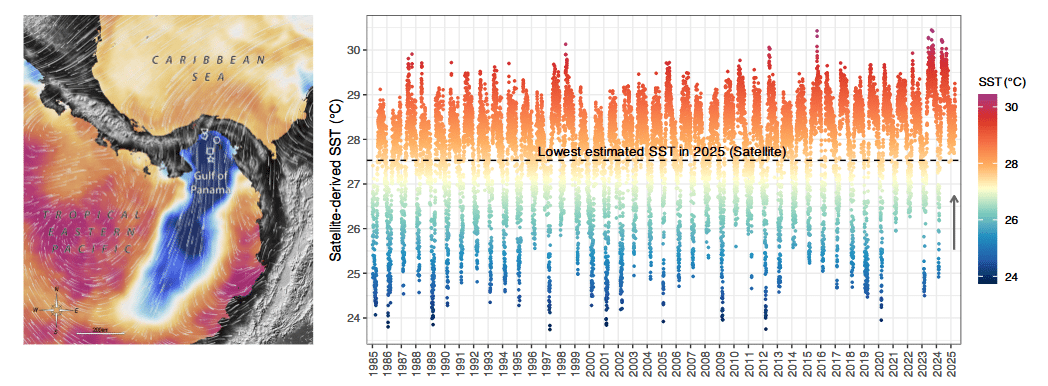
This breakdown diverges sharply from historical records dating back to 1985. Even during intense ENSO phenomena, no full cessation was noted before.
For ongoing satellite data on sea temperatures and productivity, visit NASA Earth Observations.
Reduced Wind Event Frequency Disrupts Upwelling
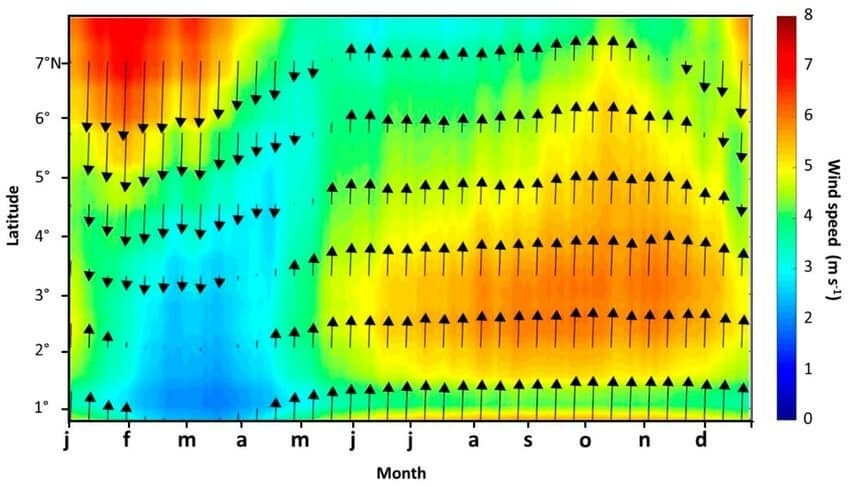
Investigators pinpointed the collapse to a dramatic decrease in the occurrence of short, intense wind bursts called Panama wind jets, which form part of the Panama Low-Level Jet (PLLJ). These jets typically blow during the dry season and push surface water offshore to initiate upwelling.
In 2025, the frequency of these wind jets dropped by roughly 74 percent, though their strength remained consistent when present. Thus, it was the diminished regularity—not wind speed—that destabilized the upwelling cycle.
This shift corresponded with a northward migration of the Intertropical Convergence Zone (ITCZ), a dominant factor shaping tropical wind patterns, occurring simultaneously with a 2024-2025 La Niña event. However, previous strong La Niña phases had not caused such a collapse.
Recent research highlights increasing variability in tropical wind systems. As noted in NOAA’s ENSO blog, ITCZ shifts have significant impacts on regional climate and marine processes.
These findings imply that fundamental atmospheric patterns may be undergoing changes that undermine reliable wind-driven ocean dynamics. The study authors conclude that tropical upwelling regions could be more fragile to climate variability than previously understood.
Immediate Effects on Marine Life and Fisheries
The cessation of upwelling quickly triggered ecological repercussions. Phytoplankton populations declined sharply due to the lack of nutrient influx, disrupting food webs. Key fish stocks—such as sardines, mackerel, and other pelagic species—suffered population drops along Panama’s coast, jeopardizing both local livelihoods and commercial fisheries.
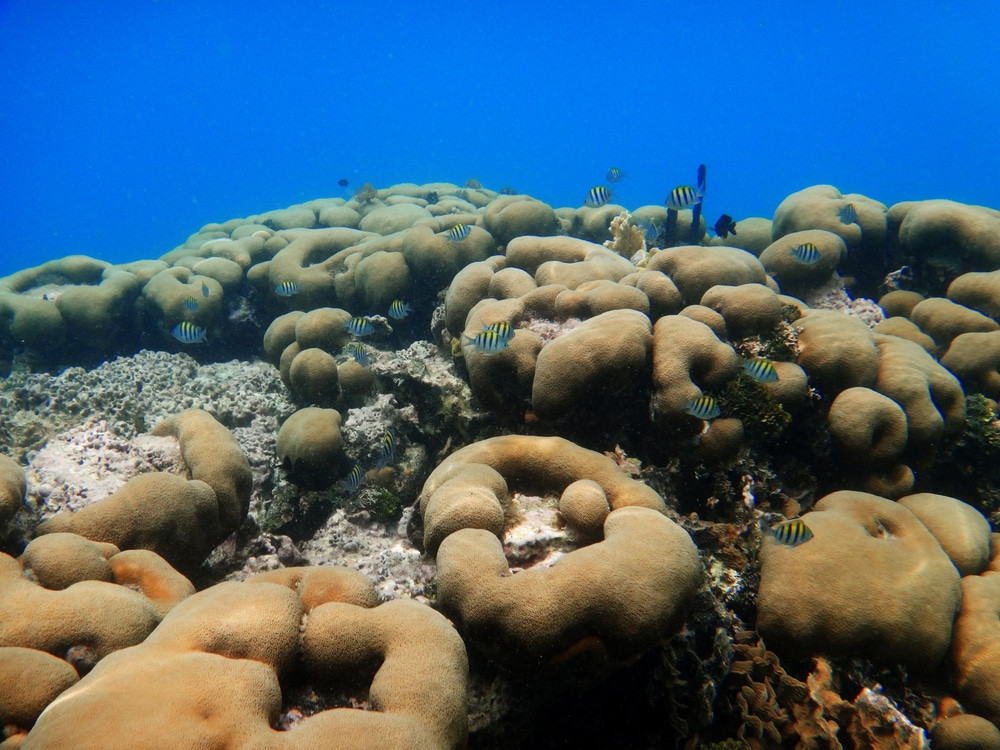
Coral reefs also came under stress. The absence of seasonal cooling led to elevated temperatures, exacerbating coral bleaching events in 2025. Concurrently, depleted oxygen levels in deeper waters stressed benthic organisms.
For additional insights into coral stress caused by heat, NOAA’s Coral Reef Watch offers global monitoring data aligning with these observations.
This event underlines how closely physical oceanographic processes and marine ecosystem health are intertwined, especially in tropical zones where seasonal variability can cascade into long-term changes.
Monitoring Gaps Challenge Early Warnings
This unprecedented event might have gone undetected if not for continuous ocean observation programs. Compared to temperate areas, tropical upwelling systems remain less studied and monitored. The Gulf of Panama, for example, lacks the extensive sensor arrays and scientific infrastructure found in regions like the California Current or Humboldt Current.
Such deficiencies have wider consequences. Tropical upwelling zones play vital roles in global carbon cycling, fisheries, and climate regulation but are inadequately represented in climate models. Insufficient data limits the detection of early signs of ecosystem shifts.
A 2023 United Nations Ocean Decade report called for enhanced observation systems in equatorial waters, describing tropical systems as “blind spots” in environmental research and prediction.
The researchers advocate boosting investment in monitoring technologies and refining how climate models simulate wind-ocean interactions. They warn that these steps are crucial to safeguarding marine ecosystems’ future stability.
- Categories:
- News













0 comments
Sign in to Comment