
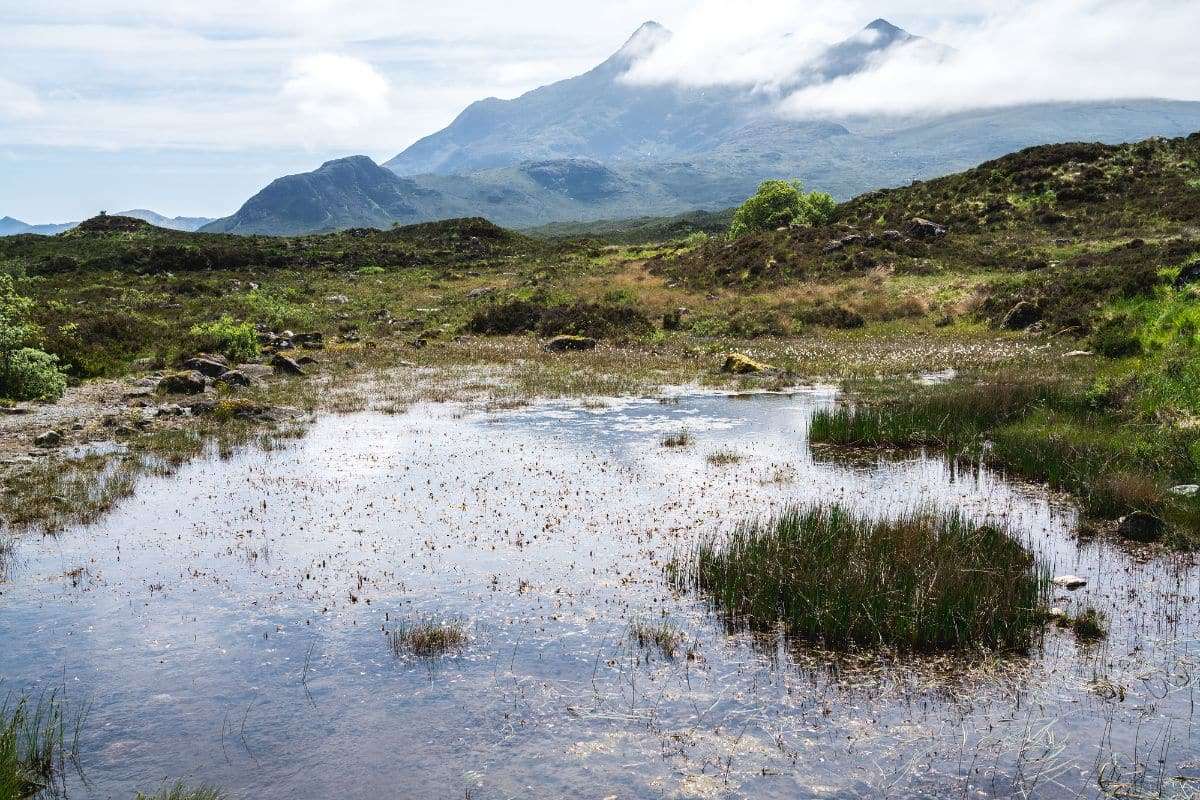
For generations, peatlands—commonly called swamps, bogs, or fens—have been regarded as unproductive or troublesome lands. Too saturated for agriculture, unsuitable for construction, and often shunned as mosquito-ridden wetlands. However, recent research highlights their critical role as one of the planet’s strongest natural defenses against climate change.
Why Are Peatlands So Crucial?
Occupying only about 3% of Earth's terrestrial surface, these water-saturated terrains store more carbon than all of the world’s forests combined. The problem arises when peatlands are degraded; draining these areas turns them from carbon reservoirs into significant sources of greenhouse gases.
Unlike regular soil, peat builds up when plant material falls into low-oxygen, waterlogged environments and does not fully decompose. Over long periods, this process creates thick layers that lock enormous amounts of carbon underground.

“The microbes responsible for decomposing organic materials and releasing carbon dioxide aren’t able to function well in these conditions,” explains wetland ecologist Scott Winton. “As a result, the organic matter accumulates.”
Peatlands vary in appearance—from soft mossy mats to dense, dark layers rich in carbon. Regardless of type, they serve as vital carbon sinks, preventing that carbon from warming the atmosphere—unless human activity disrupts them.
The Hidden Carbon Threat
The rapid loss of peatlands is alarming and carries serious implications. Research published in Conservation Letters reveals that only 17% of peatlands worldwide currently have protected status. This figure is far below the protection rates for tropical forests (38%), mangroves (42%), or salt marshes (50%).
This limited protection is worrisome because draining peatlands releases the ancient carbon they've stored as CO₂ into the atmosphere. “Once this carbon is emitted, typically due to drainage, the loss is largely irreversible,” warns Kemen Austin, the study’s lead researcher.
In countries like Indonesia, extensive peatlands have been cleared for palm oil cultivation. In contrast, in Canada, peatlands overlay mineral deposits vital for clean energy technologies. While mining these resources may advance renewable energy development, it comes with difficult environmental trade-offs.
“The carbon emissions unleashed by disturbing peatlands could surpass the environmental benefits gained from sustainable technologies,” cautions peatland expert Lorna Harris. The decision to exploit these areas poses a significant dilemma.
Harnessing Peatlands for Climate Action
Conserving and rehabilitating peatlands stands out as a powerful measure to mitigate climate change. Rewetting damaged peatlands allows them to resume their role as natural carbon absorbers and climate stabilizers.
Despite this, peatlands receive little attention in mainstream environmental education and policy. “Most people don’t learn about peatlands during school like they do about forests or deserts,” says Winton.
Scientific consensus underscores the necessity of integrating peatlands into global climate strategies.
The study has been published in Washington Post.
- Categories:
- News











0 comments
Sign in to Comment