
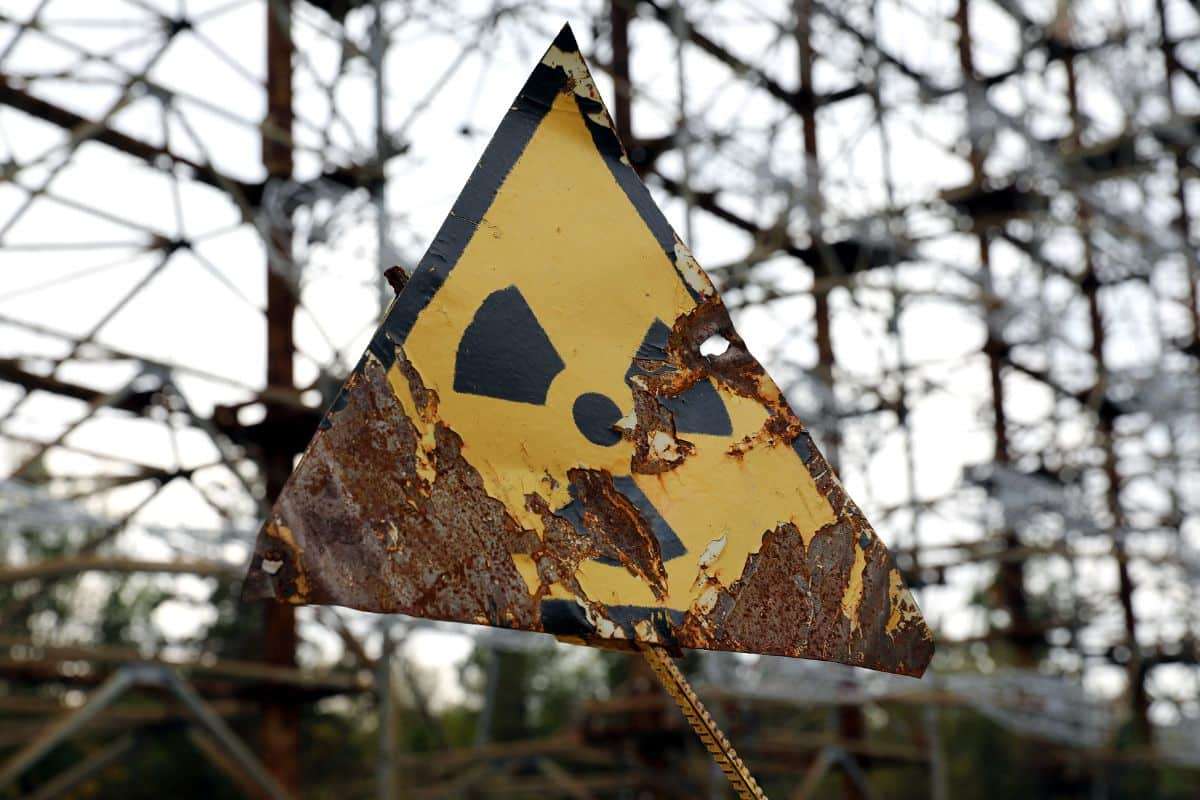
Within the Chernobyl Exclusion Zone, a site still laden with hazardous radiation decades after the 1986 nuclear accident, researchers have uncovered a remarkable survivor.
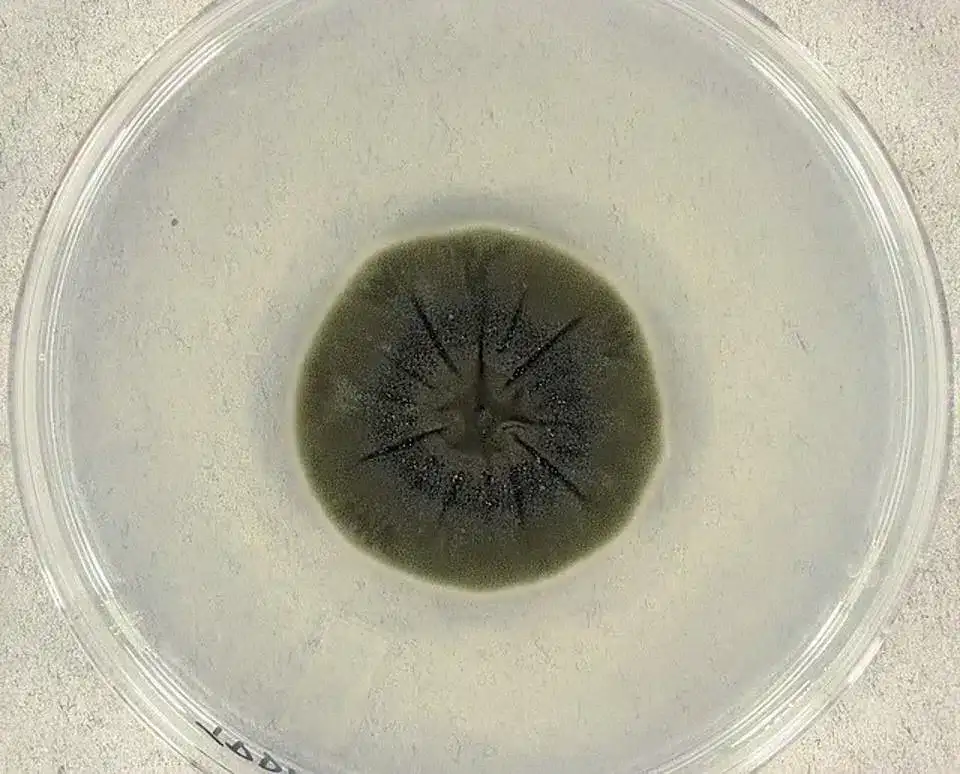
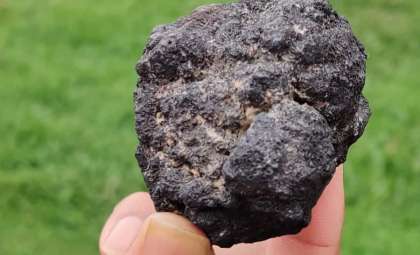
A black fungus named Cladosporium sphaerospermum is not only enduring the intense radiation but appears to flourish under it.
Most intriguingly, this fungus seems to harness radiation as an energy source, similarly to how plants derive energy from sunlight.
How This Fungus Utilizes Radiation for Growth
Scientists initially noticed dark fungal patches on the interior walls of Chernobyl’s damaged reactor and suspected an extraordinary adaptation was occurring. These fungi weren’t merely withstanding radiation—they were absorbing it to sustain themselves.

Detailed studies showed that Cladosporium sphaerospermum is part of a rare category called radiotrophic fungi, organisms capable of capturing ionizing radiation and converting it into usable energy through a mechanism often termed radiosynthesis, akin to photosynthesis.
The secret lies in melanin, the pigment that colors human skin. While melanin generally serves as a shield against UV rays, in C. sphaerospermum it has an additional function: it absorbs toxic radiation and transforms it into chemical power.
According to research documented in PLOS ONE and FEMS Microbiology Letters, experiments confirm these fungi proliferate more rapidly in environments with high radiation compared to areas with lower radiation levels. Instead of suffering damage, these fungi utilize radiation as a vital energy source.
Can This Fungus Assist in Radioactive Cleanup?
The identification of C. sphaerospermum has sparked interest in its potential to aid bioremediation – the application of living organisms to remove pollution.
Radioactive zones like Chernobyl and Fukushima continue to pose major environmental hazards, making cleanup efforts costly and risky. Conventional decontamination involves sophisticated and perilous techniques, but radiotrophic fungi may offer an eco-friendly and self-sufficient alternative.
If harnessed effectively, the fungus’s ability to absorb and mitigate radiation could revolutionize how contaminated sites are managed. Although further investigation is required, preliminary findings suggest fungi such as C. sphaerospermum could help curb radiation hotspots and limit the spread of nuclear pollutants.
Potential Cosmic Radiation Protection
The implications of this discovery reach beyond Earth’s atmosphere. One of the primary challenges in space travel is continuous exposure to cosmic radiation, which raises risks including cancer and organ damage for astronauts.
In light of this, scientists have sent radiotrophic fungi to the International Space Station (ISS) to evaluate their capability as biological radiation shields. Early findings have shown promising results.
Success in these experiments might lead to fungus-based protective layers for spacecraft and habitats, which future missions to destinations like Mars could employ to reduce harmful radiation exposure for crew members.
Could This Be a Breakthrough in Radiation Management?
Though Cladosporium sphaerospermum won’t be a standalone fix for nuclear contamination, it introduces an exciting biological approach to dealing with radiation resilience.
From aiding nuclear disaster remediation to shielding astronauts and expanding our understanding of radiation’s biological role, this extraordinary fungus is reshaping perspectives on survival in extreme environments.
- Categories:
- Science









0 comments
Sign in to Comment