
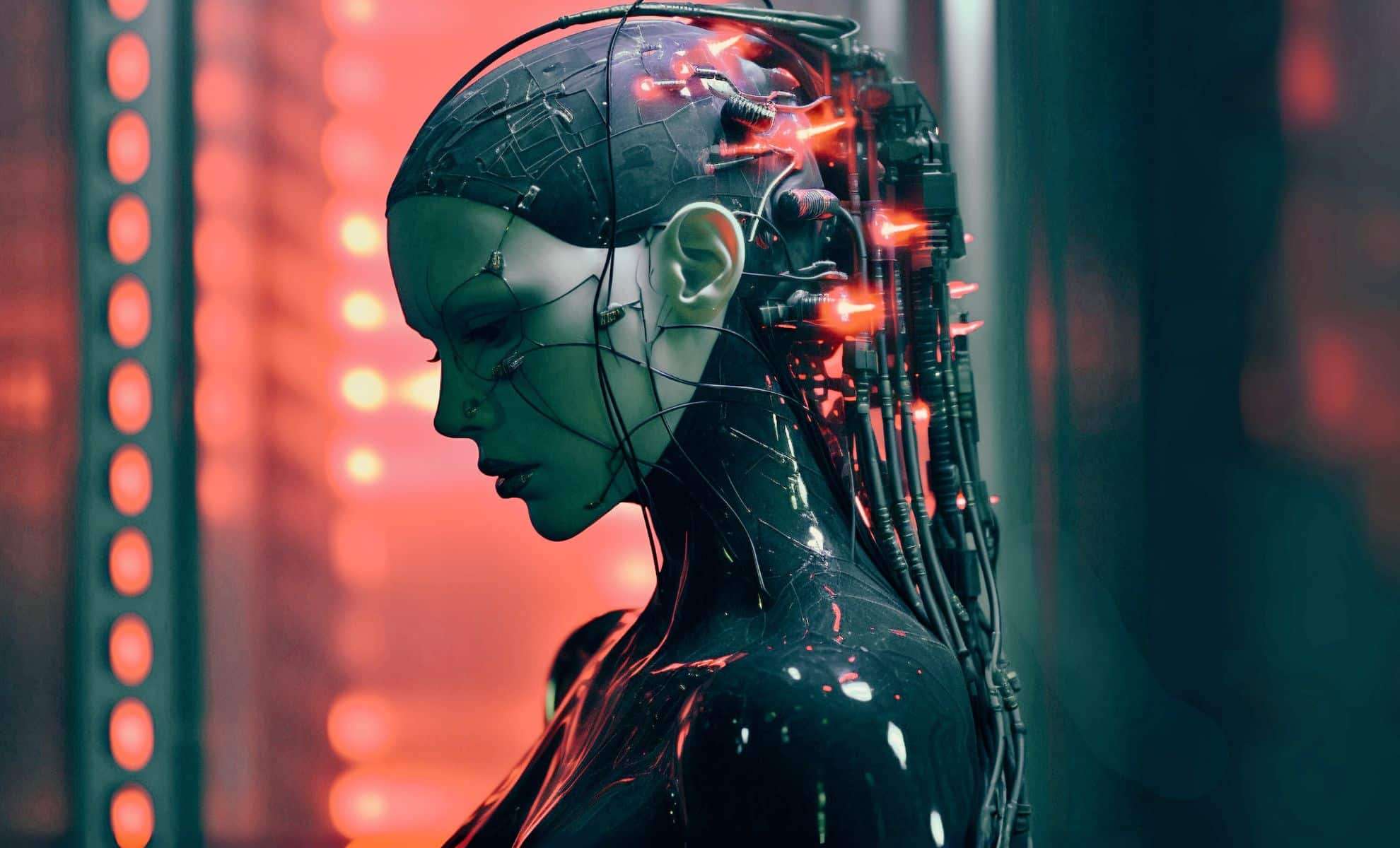
Occasionally, technological innovations make us feel as though we have stepped into a science fiction narrative. The swift progress of artificial intelligence (AI) is increasingly blurring the boundary between imagination and reality. A powerful example of AI’s possibilities is depicted in Neal Stephenson’s 1995 novel The Diamond Age: Or, A Young Lady’s Illustrated Primer.
In this story, a young girl named Nell relies on an AI-driven device that acts as her mentor, guardian, and companion, offering tailored education and emotional support. With ongoing advances in AI technology, such devices are inching closer to becoming a part of our everyday lives.
AI Voices Taking Over Roles Traditionally Filled by Actors in Gaming
Video games have become a prominent platform for demonstrating AI innovation, illustrated vividly in May 2025 when the hit game Fortnite introduced an AI-generated version of Darth Vader, the legendary Star Wars character, voiced using the late James Earl Jones’s iconic tone.

Jones’s estate authorized the AI recreation of his voice, igniting discussions about the impact of AI on human performers in entertainment. Fans generally celebrated the technology’s storytelling potential, but the Screen Actors Guild voiced objections, arguing that using AI voiceovers without human involvement breached labor rights agreements.
This development parallels a feature of The Diamond Age, where “ractors” (real human actors) provide voices for interactive characters in real-time engagements. However, with innovations like the Fortnite example, the entertainment industry faces a pivotal moment where human voices may no longer be necessary, as AI advances toward generating entire dialogues autonomously, edging closer to Stephenson’s fictional Primer concept.
Wearable AI Brings Real-Time Personalized Guidance Closer to Reality
Wearable AI devices represent another significant stride, now emerging as tools that continuously capture and interpret spoken conversations. These gadgets transmit verbal data to cloud servers, where AI analyzes the content and delivers instant summaries and behavioral recommendations.
Startups developing these “always-on” wearables provide a glimpse into future personal coaching—much like the interactive assistance featured in The Diamond Age’s Primer. Joanna Stern of the Wall Street Journal shared her experience with this technology, highlighting its usefulness in managing her schedule, but also raising ethical questions about continuous monitoring and privacy vulnerabilities.
Such devices mark an essential advancement toward the dynamic, on-the-spot support that The Diamond Age imagined for Nell. As this technology matures, it might evolve beyond post-event advice, offering live coaching that assists with daily choices and challenges, reflecting the Primer’s guiding role. Though promising in terms of enhancing human behavior, these innovations also trigger major concerns regarding data protection and individual privacy.
Transforming Education with AI-Powered Tools
The education sector stands to benefit enormously from AI integration. Platforms like ChatGPT are already leveraged by students and educators, with mounting evidence suggesting AI can sometimes outperform traditional tutors in specific subjects.
Research indicates that 85% of students find AI tools like ChatGPT more effective for learning computer science than conventional methods. Colleges such as Morehouse College in Atlanta have begun including AI teaching assistants in the classroom, increasing personalized support for both instructors and learners.
Stephenson’s The Diamond Age portrays the Primer as a comprehensive educator, imparting knowledge ranging from arithmetic to cryptography and martial arts. Today’s AI-enabled teaching assistants are beginning to fulfill a similar role, ushering in an educational paradigm reminiscent of the novel’s vision.
The benefits of AI in education are clear: scalable, affordable tutoring accessible to students from a variety of backgrounds, potentially reducing educational disparities.
Potential Risks of AI in Schools and Society at Large
Despite the exciting prospects, AI in education brings notable threats. The Diamond Age highlights concerns about extensive social engineering, where AI-driven learning systems might manipulate or control impressionable minds.
As AI becomes more embedded in education, worries grow that these systems could promote certain ideologies or uphold existing power dynamics. The concept of a dominant AI shaping future generations risks diminishing critical thinking and individuality, essential ingredients for genuine educational growth.
- Categories:
- News













0 comments
Sign in to Comment