
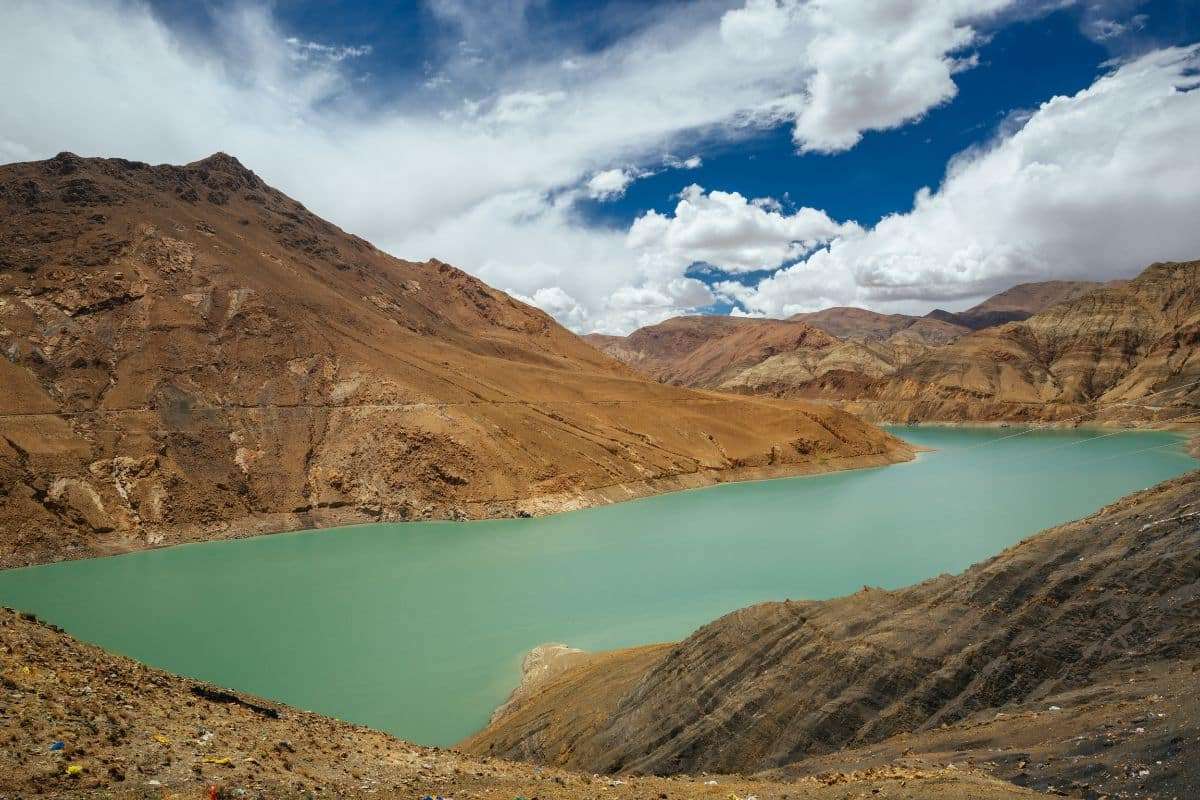
The Tibetan Plateau, known as the world’s highest plateau, is undergoing an unexpected transformation. While many lakes globally are diminishing due to environmental changes and human activities, those found in northern Tibet are surprisingly growing at a remarkable pace.
Satellite Data Reveals Expanding Lakes
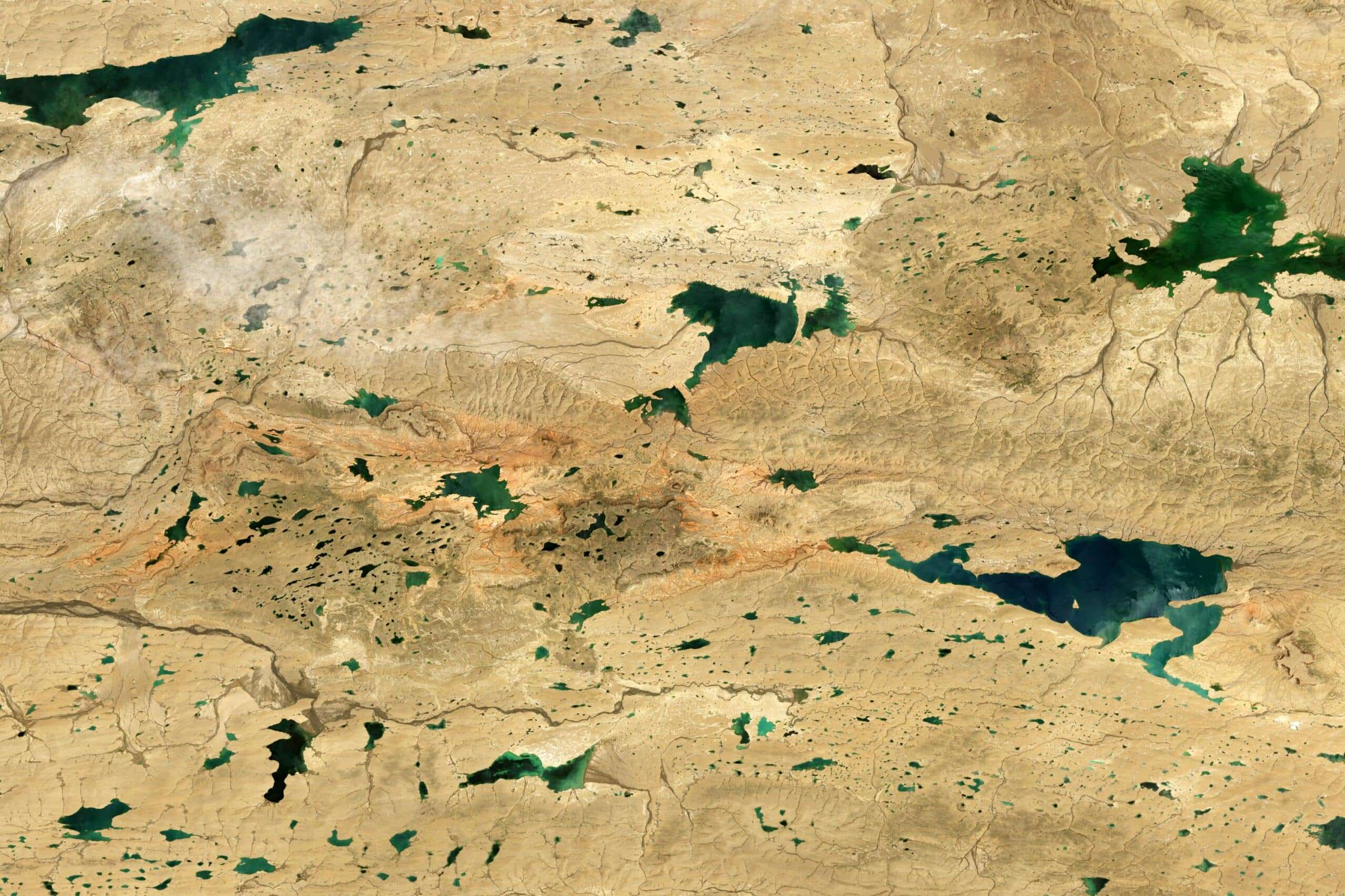
Long-term satellite imagery has uncovered a notable increase in both the quantity and size of lakes on the northern Tibetan Plateau. In 1991, researchers documented 4,385 lakes larger than 0.1 square kilometers. By 2023, this figure rose dramatically to 6,159 lakes, covering a combined surface area comparable to that of Lake Michigan.
Observations from Landsat satellites have tracked this expansion primarily across elevated grasslands in Nyima and Qiemo counties within the Changtang region of southwestern China. Image comparisons taken between 1994 and 2024 clearly illustrate this significant lake growth spanning the region.

Drivers Behind the Growing Water Bodies
Unlike typical lakes connected to river systems, numerous Tibetan lakes reside in endorheic basins—closed depressions where water accumulates with no outlet. This sensitivity to climatic and environmental factors leads to several potential causes behind their expansion, including:
- Greater rainfall amounts – Some research points to increased precipitation over the plateau as a key contributor.
- Glacier and permafrost melt – Rising global temperatures accelerate glacier retreat, releasing more meltwater, while thawing permafrost further adds to runoff feeding these lakes.
- Lower evaporation rates – Changes in seasonal temperature and atmospheric dynamics may reduce water loss from evaporation, allowing lakes to retain more water.
Climate Change’s Impact in Tibet
Ongoing climate shifts unmistakably influence the rapid lake growth on the Tibetan Plateau. Publications in Scientific Reports and the Journal of Hydrology detail how warming air temperatures intensify glacier melt and modify precipitation patterns.
The Nature Geoscience study forecasts that by the year 2100, this lake expansion may inundate more than 10,000 square kilometers of vulnerable grasslands, wetlands, and farmland, displacing numerous communities and cutting off extensive stretches of roadways.
Regarded as a vital indicator for global climate dynamics, the Tibetan Plateau exemplifies how rising temperatures will reshape fragile high-altitude ecosystems worldwide.
Local Communities Feel the Effects of Rising Lake Levels
While scientific findings illuminate these environmental changes, they also reveal the growing challenges facing nearby populations. Swelling lakes are inundating homes, grazing lands, and transportation routes, forcing relocations.
“The dramatic increase in lake surface areas is flooding residential areas, impacting livestock, and making some glacial lakes more prone to dangerous outburst events,” explains Fangfang Yao, a University of Colorado Boulder scientist and lead author of related research.
The risk of sudden outburst floods—abrupt releases of glacial lake waters that can cause devastating downstream impacts—is rising, putting lower-lying communities at greater risk of displacement, economic disruption, and infrastructure damage.
- Categories:
- Science









0 comments
Sign in to Comment